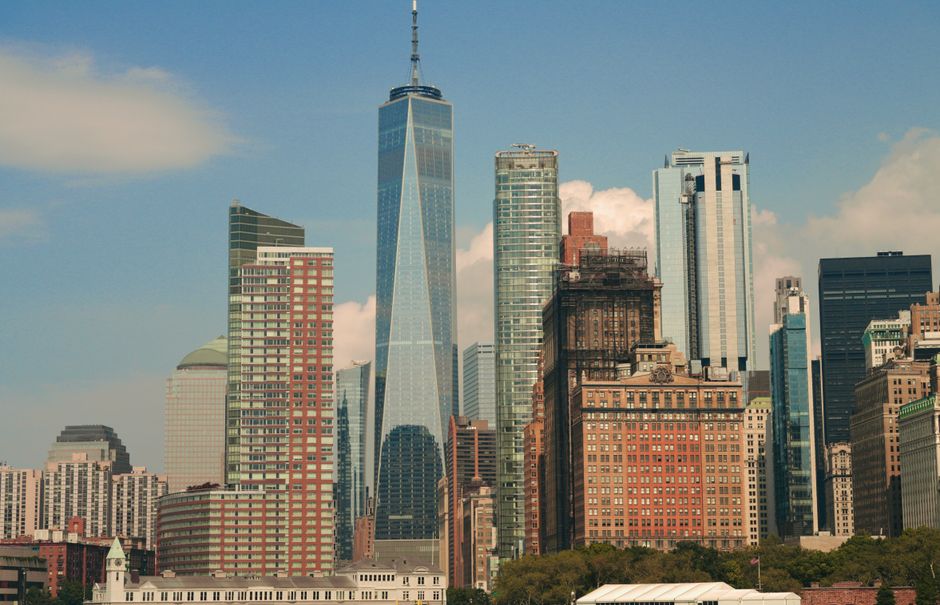
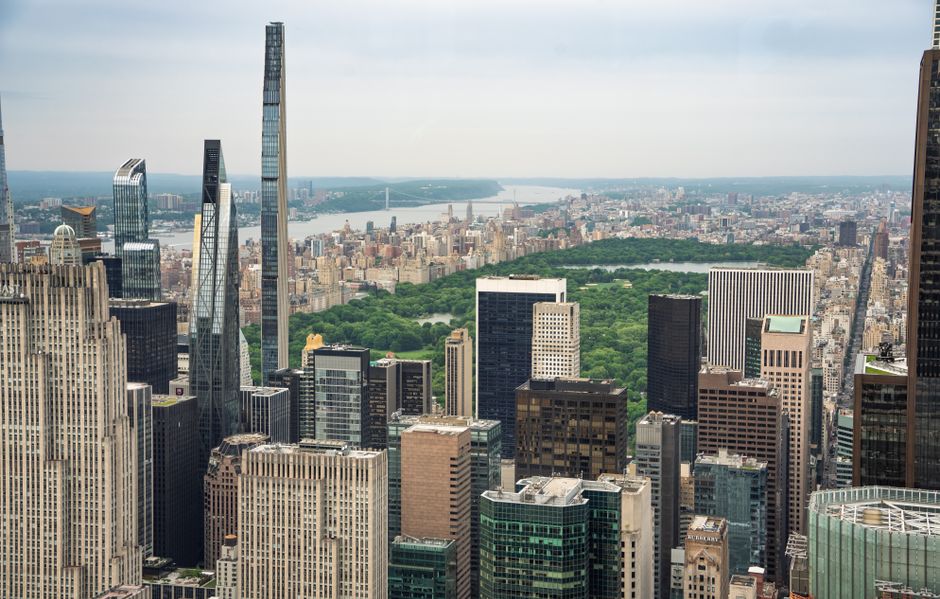
Manhattan's office market, already grappling with post-pandemic vacancies and hybrid work patterns, now faces a fresh headwind: global instability. The escalating geopolitical landscape—from renewed U.S.-Iran negotiations to regional conflicts affecting trade routes—is driving multinational corporations to reassess their New York footprints, directly impacting landlords from Midtown to Financial District.
The effects are already visible in leasing dynamics. A June survey of commercial brokers working the Plaza District and along Park Avenue South reveals that foreign financial firms are moving more cautiously on new commitments. Some are reducing their planned Manhattan square footage by 15 to 20 percent, preferring flexibility over long-term leases. This hesitation is trickling down to asking rents, which remain elevated but are seeing slower growth than earlier this year.
"International uncertainty creates a flight-to-quality response," explains the rationale behind recent tenant decisions. Premium Class A buildings near Grand Central Terminal and the Plaza remain competitive, but secondary markets—particularly in Hudson Yards and along the Flatiron's perimeter—are experiencing softening. Average asking rents in Hudson Yards have dropped to $78 per square foot, down from $82 just eighteen months ago, according to commercial real estate tracking data.
The mining deal involving prominent figures, alongside broader concerns over mining operations in volatile regions, has spooked natural resources firms that historically anchored significant Manhattan office space. Similarly, companies with African supply chains are rethinking their operational footprints in New York, given the Ebola situation in the Democratic Republic of Congo and associated travel restrictions affecting executive mobility.
For New York's real estate community, the message is clear: global events now carry local consequences. Landlords who once relied on stable multinational demand are diversifying their tenant base, courting domestic tech firms and professional services companies less exposed to international volatility. The shift is creating opportunities for adaptive reuse projects, particularly in neighborhoods like Long Island City and the Brooklyn waterfront, where younger, digitally-native firms are willing to occupy non-traditional office spaces.
Meanwhile, New York's recovery narrative—built on the assumption that Manhattan would reclaim its throne as the world's premier office hub—is becoming more complicated. Real estate investment trusts operating major Manhattan properties are adjusting guidance downward for the second consecutive quarter, acknowledging that global stability matters as much as local market fundamentals.
The question for commercial brokers and landlords is no longer simply whether remote work will persist. It's whether geopolitical turbulence will permanently reduce the international demand that has long been Manhattan's competitive advantage.
This article was compiled by AI from the sources linked above and screened before publishing. See our editorial standards.