Why New Yorkers Should Care About the Office Market Collapse—and What It Means for Your Rent
As Manhattan's commercial real estate crisis deepens, everyday residents are about to feel the ripple effects in their wallets and neighborhoods.
As Manhattan's commercial real estate crisis deepens, everyday residents are about to feel the ripple effects in their wallets and neighborhoods.
For months, New York's office market has been a story for real estate insiders and financial analysts. But the numbers are now hitting a threshold where ordinary New Yorkers need to pay attention—because the vacancy crisis is about to reshape neighborhoods, tax bills, and rental prices across the five boroughs.
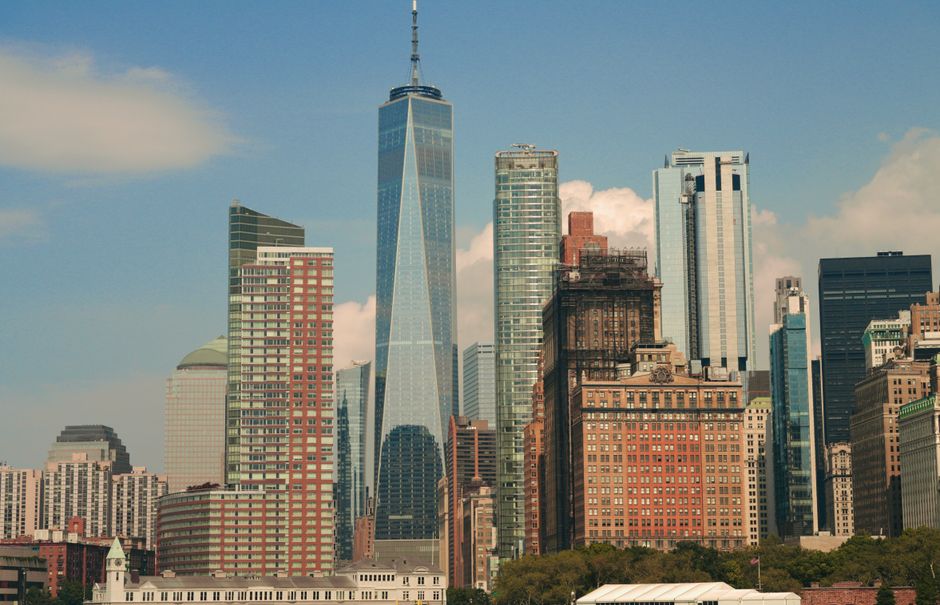
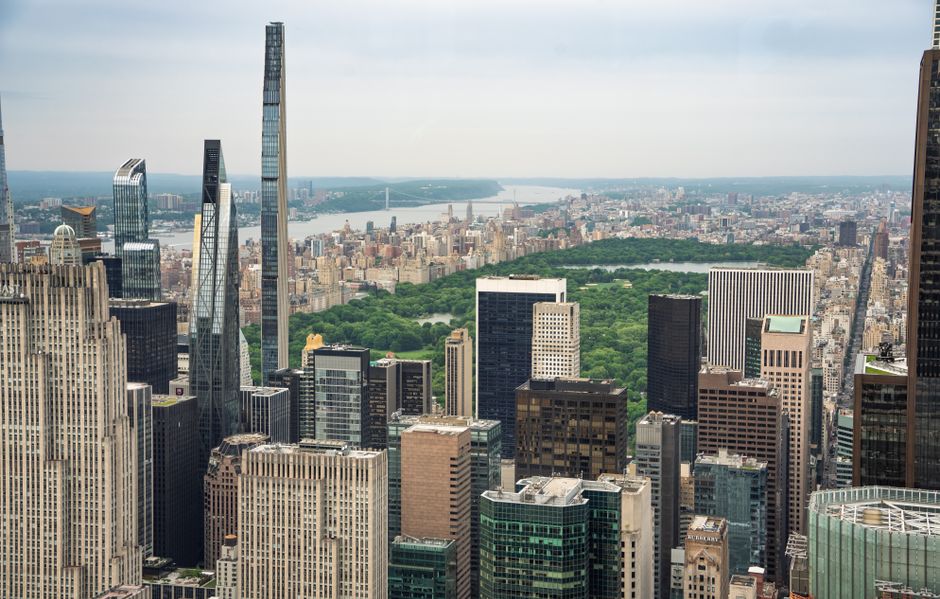
The vacancy rate in Midtown Manhattan has climbed above 20 percent, the highest in decades. Entire floors of glass-fronted office buildings between 42nd and 59th Streets sit empty while landlords compete desperately for tenants. Meanwhile, downtown Manhattan—once defined by office workers—is experiencing a slower bleed as companies shrink footprints or relocate to cheaper markets. The problem is now financial: property tax revenues, which depend on commercial real estate valuations, are tanking.
Here's why residents should care. New York City relies on commercial property taxes to fund schools, libraries, and street maintenance. When office buildings lose value—or when landlords successfully challenge their assessments—that burden shifts. Residential property taxes rise. It's already happening quietly in neighborhoods like Forest Hills, Queens, and parts of Brooklyn, where homeowners have seen modest increases even as median rents hover around $3,100 monthly for a one-bedroom apartment.
There's also the neighborhood angle. Struggling office buildings aren't just financial abstractions. A vacant tower on Park Avenue South or in lower Manhattan means fewer workers buying coffee at corner delis, fewer lunch crowds at restaurants, fewer customers at neighborhood shops. Some neighborhoods are adapting—landlords are converting office space to residential apartments, which sounds positive until you understand the math. New construction drives up neighborhood rents as newer, fancier units change local character.
The crisis also affects where your future apartment might be located. Developers are now targeting neighborhoods with underutilized office stock—particularly in Long Island City and parts of Astoria—betting on residential conversion. Rents in these areas have already spiked 15 to 20 percent in the past two years.
What should residents do? First, understand that your neighborhood may be next on the conversion list. Second, watch your property tax assessments—appeals are increasingly winnable, and mistakes happen. Finally, pay attention to local zoning meetings. As office becomes residential, the city's planning decisions will reshape which neighborhoods stay affordable and which become luxury enclaves. This isn't abstract policy. It's about whether New York remains livable for ordinary people.
This article was compiled by AI from the sources linked above and screened before publishing. See our editorial standards.
How does this story make you feel?
Spread the word
About this article
Published by The Daily New York
Daily brief
Free, in your inbox before 7am. Weekdays.
More in Business