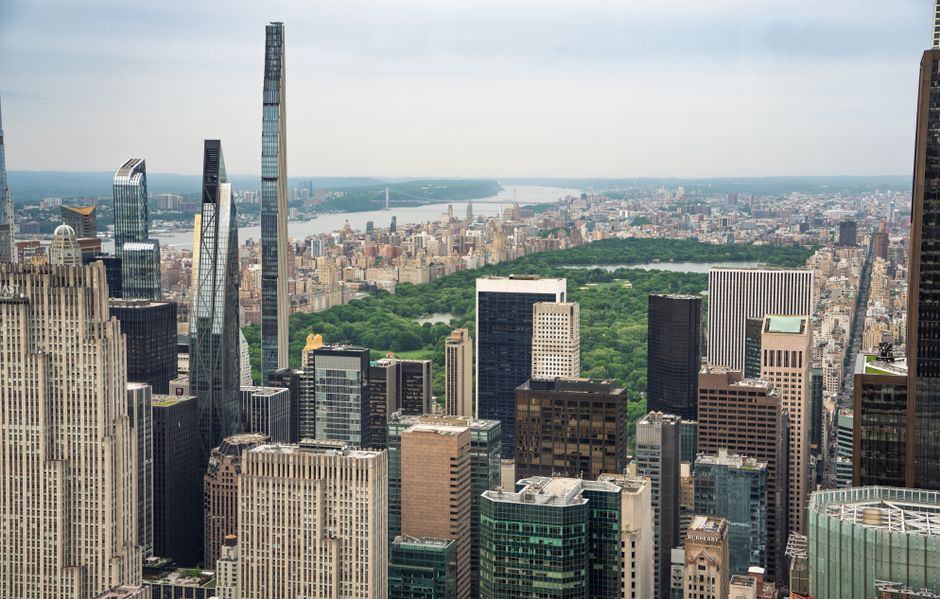
Remote Work Exodus Reshaping New York's Job Market as Tech Talent Decentralizes
As companies embrace hybrid models, Manhattan's tight labor market is loosening—and reshaping where New Yorkers work and live.
As companies embrace hybrid models, Manhattan's tight labor market is loosening—and reshaping where New Yorkers work and live.
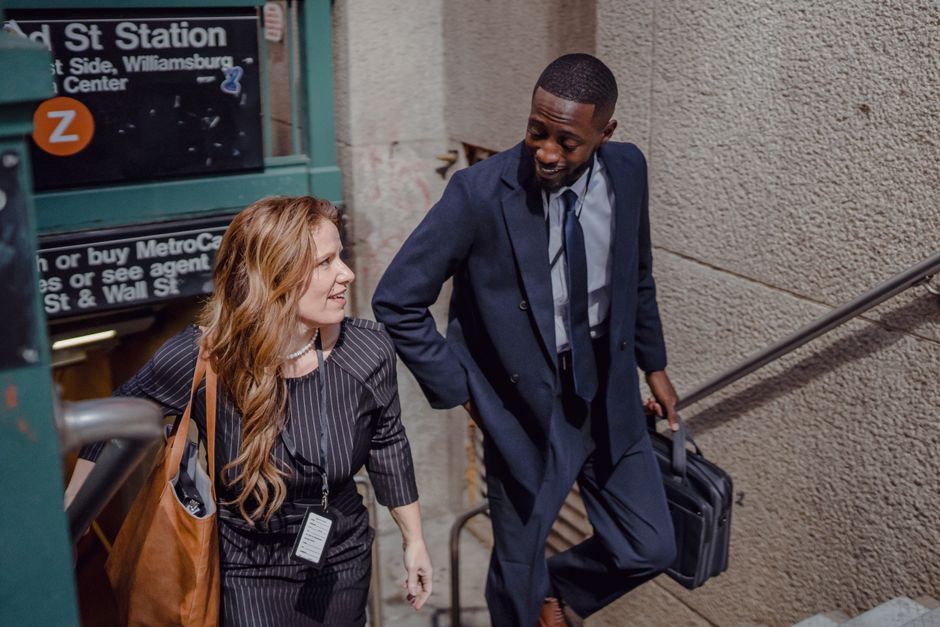
Three years into the post-pandemic era, New York's employment landscape is undergoing a subtle but significant shift. The iron grip that Manhattan office parks once held on the region's talent pipeline has loosened considerably, with remote-first hiring practices now reshaping everything from real estate demand to wage pressures across the five boroughs.
The trend is evident in hiring patterns across the city's major employment hubs. Financial firms along the Avenue of the Americas and tech companies clustered around the Flatiron District are increasingly competing for talent against employers in secondary markets—and losing some of that competition. According to recruitment firms tracking the shift, positions advertised as fully remote or hybrid have grown from roughly 12 percent of New York job postings in 2023 to over 28 percent by mid-2026.
"We're seeing candidates take roles that pay 15 to 20 percent less if they can work from home or from outer boroughs," says employment data from the Partnership for New York City's June labor survey. The implications ripple outward: commercial real estate in Midtown South has felt pressure, while neighborhoods like Long Island City, Williamsburg, and Park Slope—historically residential areas—are seeing increased demand for co-working spaces and satellite offices.
The shift has particular consequences for entry-level workers. Prestigious Manhattan internships, once gatekeeping devices for young professionals, are now competing with remote apprenticeships and distributed roles that don't require relocation or expensive commutes from the outer boroughs. Young talent, in particular, is opting for flexibility over prestige, according to analysis from local workforce development organizations.
Yet the trend is uneven. Finance, law, and consulting—industries that cluster near Penn Station and the Financial District—remain largely office-dependent, keeping those neighborhoods vital. Meanwhile, creative industries and startups, already distributed across Brooklyn's Sunset Park and Queens' emerging tech corridor, have accelerated their decentralization.
The broader effect: New York's job market is becoming less geographically concentrated and less about proximity to a specific address. For workers, this means greater access to high-paying roles without necessarily moving to or working in Manhattan. For employers, it means competing nationally rather than just regionally for talent.
The question facing the city isn't whether remote work is here to stay—it clearly is—but whether New York's infrastructure, real estate economics, and cultural identity as a corporate epicenter can adapt to a fundamentally different world of work.
This article was compiled by AI from the sources linked above and screened before publishing. See our editorial standards.
How does this story make you feel?
Spread the word
About this article
Published by The Daily New York
Daily brief
Free, in your inbox before 7am. Weekdays.
More in Business