How Global Instability Is Reshaping Manhattan's Office Market
Geopolitical tensions and emerging-market crises are forcing New York's biggest landlords and tenants to rethink long-term real estate strategy.
Geopolitical tensions and emerging-market crises are forcing New York's biggest landlords and tenants to rethink long-term real estate strategy.
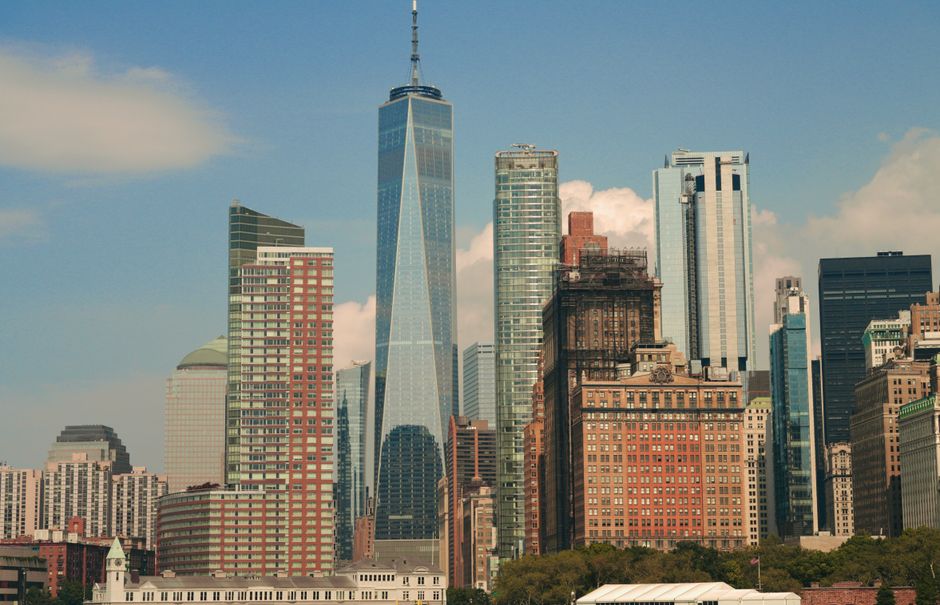
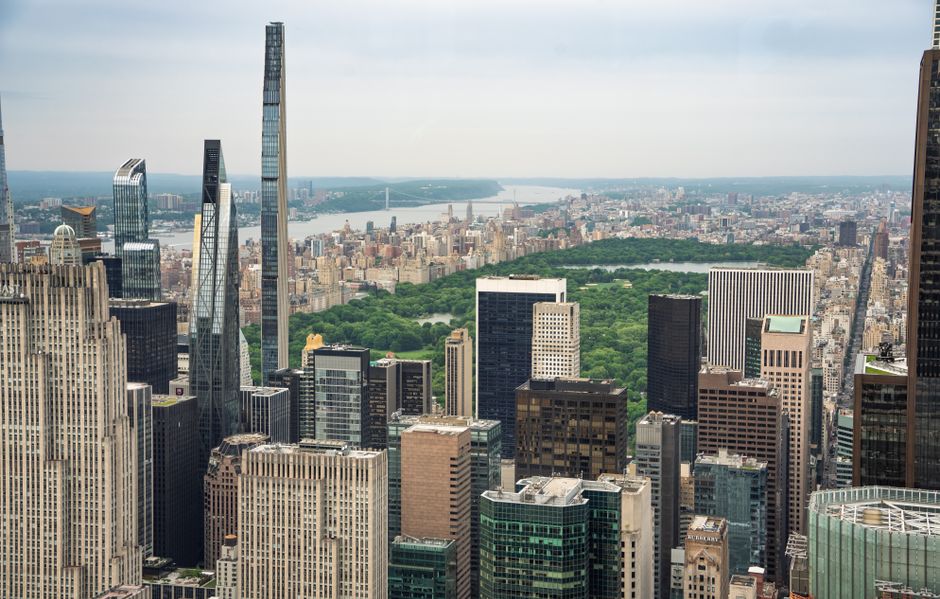
The Manhattan office market has long operated on the assumption of predictable international business patterns. That assumption is fracturing. As geopolitical tensions ripple across the Middle East, Africa, and South Asia, and as global supply chains remain volatile, New York's commercial real estate sector is experiencing a subtle but significant recalibration—one that's pushing rents down in trophy locations while spurring demand in secondary markets.
The numbers tell the story. Midtown Manhattan's average asking rent has softened to $87 per square foot, down from $92 a year ago, according to recent CBRE data. Meanwhile, neighborhoods like Long Island City and Williamsburg have seen renewed interest from companies seeking more stable, flexible arrangements with shorter lease commitments. The pattern reflects a broader corporate caution: fewer multinational firms are committing to long-term, high-cost footprints when global uncertainty makes expansion plans unpredictable.
"Companies are taking a wait-and-see approach," said one senior executive at a major Manhattan-based financial services firm, reflecting a sentiment widely shared across the business community but expressed cautiously in public forums. International banks and trading operations, historically anchored to the Financial District and Midtown, are now negotiating shorter lease terms and smaller footprints—a direct response to currency volatility, sanctions regimes, and shifting trade relationships.
The ripple effects extend beyond Manhattan's core. At Hudson Yards, where some of the city's most expensive office space commands $100-plus per square foot, absorption rates have slowed as tech companies and media firms—previously voracious renters—recalibrate their New York presence. Several major tech employers have already signaled they won't be expanding their Manhattan headcount this year, preferring remote-work flexibility over real estate commitments during uncertain times.
Landlords like SL Green and Boston Properties, which own massive portfolios along Park Avenue and in Midtown, are increasingly offering concessions—extended free-rent periods and design allowances—to attract tenants. The days of commanding top dollar for premium space without negotiation are temporarily fading.
For New York's real estate ecosystem, this shift creates both challenges and opportunities. While major developers face near-term headwinds, the volatility is driving institutional investors toward the city's emerging neighborhoods. The Queens waterfront, once overlooked, is attracting serious capital as companies seek alternatives to Manhattan's premium tiers.
The message is clear: global stability affects local square footage. And right now, New York's landlords are competing in a tenant's market shaped by forces far beyond their borough lines.
This article was compiled by AI from the sources linked above and screened before publishing. See our editorial standards.
How does this story make you feel?
Spread the word
About this article
Published by The Daily New York
Daily brief
Free, in your inbox before 7am. Weekdays.
More in Business