Manhattan's Office Exodus Is Forcing Companies to Chase Talent Beyond the Five Boroughs
As commercial real estate transforms, New York employers are scrambling to compete for workers who've discovered they can thrive—and afford to live—elsewhere.
As commercial real estate transforms, New York employers are scrambling to compete for workers who've discovered they can thrive—and afford to live—elsewhere.
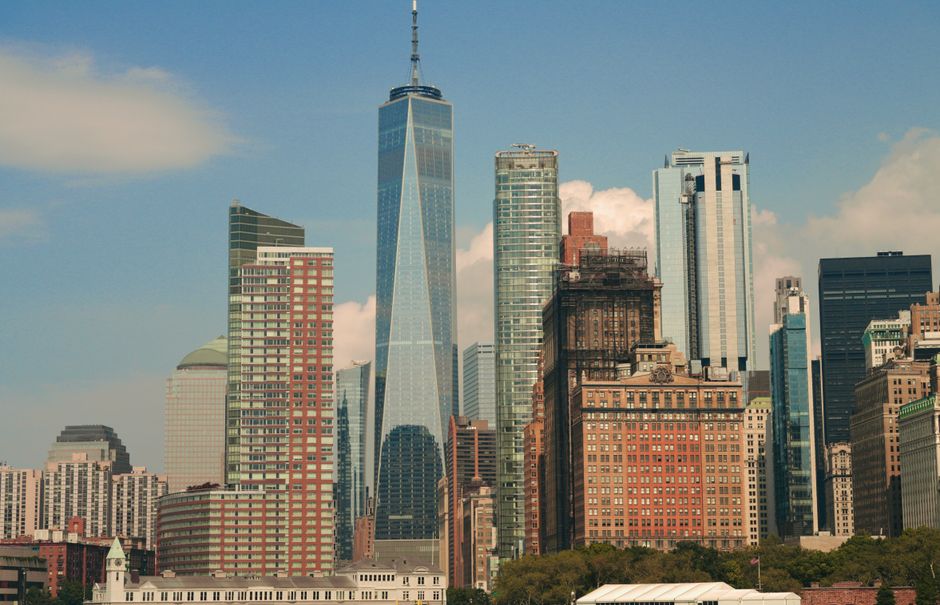
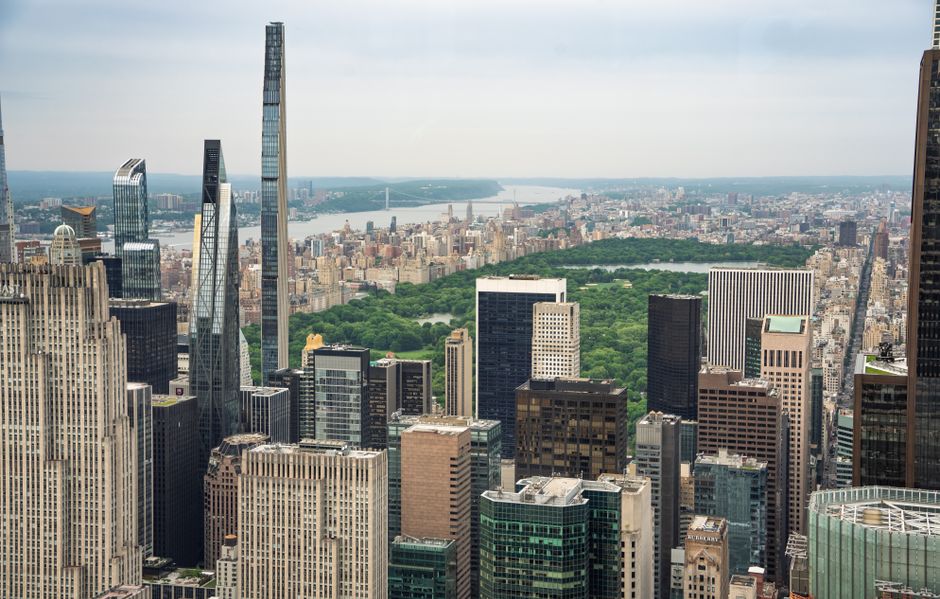
The Manhattan office tower, once an unshakeable symbol of New York's economic dominance, is losing its grip on the city's talent market. With commercial vacancy rates hovering near 12 percent in Midtown and asking rents declining for the first time in three years, the ripple effects are reshaping how and where companies recruit workers.
The shift began gradually after 2024, but by mid-2026, the pattern is unmistakable. Major firms are consolidating their New York footprint while expanding satellite offices in Jersey City, Stamford, and increasingly, upstate communities like Hudson and Kingston. This geographic dispersion is fragmenting the labor market in unexpected ways, forcing employers to compete for workers across a vastly wider region than the traditional commuter shed.
"We're not just competing with other financial services firms in Lower Manhattan anymore," said one senior recruiter at a major asset management company, speaking on condition of anonymity. "We're competing with tech companies in Westchester, pharmaceutical firms in Connecticut, and consulting outfits in Philadelphia. The talent pool has expanded, but so has everyone else's recruitment radius."
The data bears this out. While Manhattan office leasing has declined 23 percent year-over-year, job postings for remote and hybrid positions in the tri-state region have surged 41 percent. Median salaries for mid-level positions in finance and technology have remained flat, even as housing costs in neighborhoods like Astoria and Park Slope have begun moderating—a historic shift for New York's residential market.
The real estate rebalancing is most visible in neighborhoods that benefited from remote work flexibility. Brooklyn's Industry City complex and the Domino Sugar Lofts in Williamsburg now host startup hubs and creative services firms that might have occupied Midtown office parks a decade ago. Meanwhile, older office buildings in Flatiron and Murray Hill are converting to residential and mixed-use spaces at accelerating rates.
For workers, the transition carries mixed blessings. The geographic spread offers new employment opportunities outside traditional business hubs. But it also means less standardization in compensation, benefits, and workplace culture—the informal networking that once defined career advancement in concentrated office districts is fragmenting.
Recruiters warn that companies underestimating this shift risk talent attrition. The days when a prestigious Manhattan address could anchor a firm's recruitment strategy are fading. In 2026, the address matters far less than flexibility, location proximity to where employees actually live, and compensation that reflects this new competitive landscape.
This article was compiled by AI from the sources linked above and screened before publishing. See our editorial standards.
How does this story make you feel?
Spread the word
About this article
Published by The Daily New York
Daily brief
Free, in your inbox before 7am. Weekdays.
More in Business