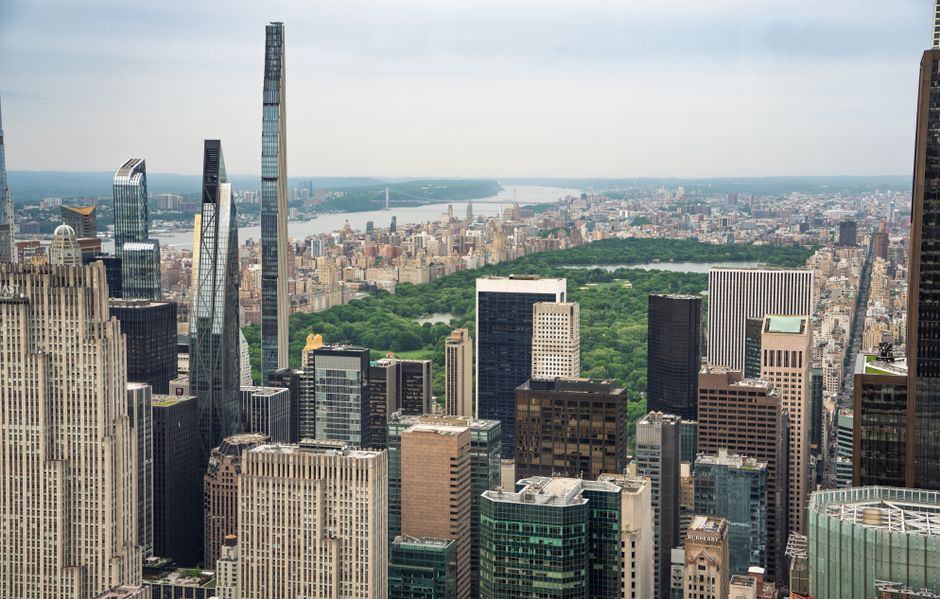
New York's Startup Scene Faces Perfect Storm of Funding Freezes and Talent Drain in 2026
Rising office costs, talent migration to remote-first competitors, and tightened venture capital are testing the resilience of the city's innovation districts.
Rising office costs, talent migration to remote-first competitors, and tightened venture capital are testing the resilience of the city's innovation districts.
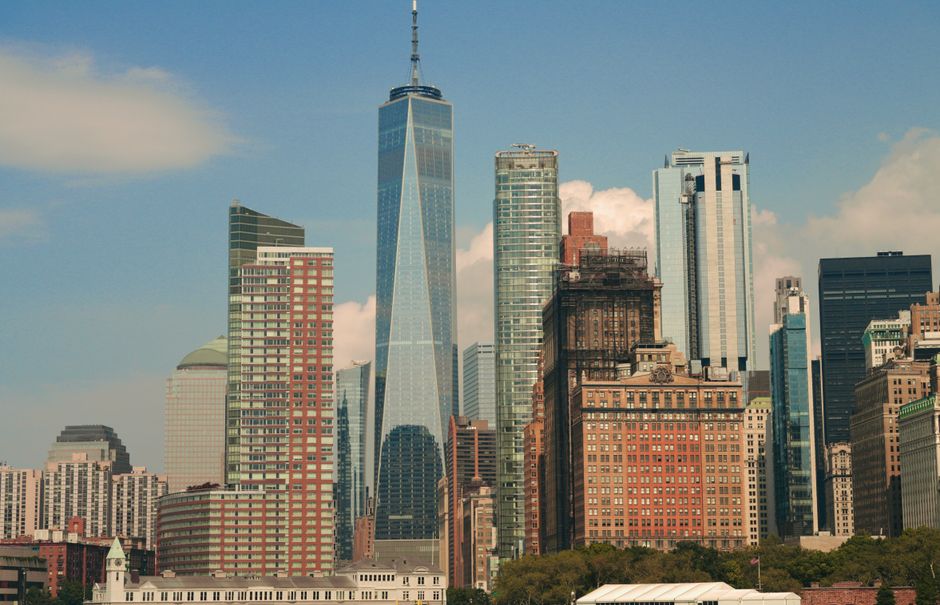
New York's vaunted startup ecosystem is hitting turbulence. Once a magnet for ambitious founders and deep-pocketed investors, the city's innovation districts—from the Flatiron tech corridor to Brooklyn's rapidly maturing startup scene—are contending with a toxic combination of economic headwinds that have begun to reshape the landscape of 2026.
The most immediate pressure is real estate. Office space in Midtown Manhattan now commands $85 to $95 per square foot annually, up 18 percent since 2024, according to commercial brokers tracking the market. For early-stage startups burning through seed capital, the calculus has shifted sharply. "We're seeing founders make brutal choices," says one venture advisor who requested anonymity. Many are decamping to cheaper markets or adopting permanent remote structures, draining the spontaneous collisions that once animated spaces like WeWork's sprawling Brooklyn outposts.
Venture funding, meanwhile, remains glacial. Through mid-2026, VC investments in Northeast startups have contracted 34 percent year-over-year, according to preliminary PitchBook data. The mega-rounds that once celebrated New York's status as a startup capital have largely evaporated. Rising interest rates and portfolio pressure have made investors extraordinarily selective, favoring later-stage deals over the scrappy Series A companies that have historically fueled the city's ecosystem.
Talent dynamics compound the challenge. Remote work has made geographic advantage irrelevant for engineering talent. The city's wage premium—once a reason for top developers to brave Manhattan's cost of living—has narrowed considerably as quality talent settles in Austin, Denver, or even smaller metros with cheaper rents and no state income tax.
Established institutions are feeling the strain too. Organizations like the New York Tech Alliance report that members are scaling back hiring plans, and incubators in neighborhoods like Long Island City are operating with markedly fewer active cohorts than in previous cycles.
Not all signals are bearish. Web3 and climate-tech companies continue to gravitate toward New York's regulatory sophistication and institutional investor networks. The recent rollout of innovation zones in Brooklyn Navy Yard suggests city officials remain committed to the sector. Still, veterans of the 2008 financial crisis and the 2022 crypto winter recognize the pattern.
For founders currently pitching in glass-walled conference rooms along the Flatiron district, the message is clear: survival requires ruthless capital efficiency and genuine product-market fit. The days of cheap money and geographic arbitrage are, at least for now, firmly in the past.
This article was compiled by AI from the sources linked above and screened before publishing. See our editorial standards.
How does this story make you feel?
Spread the word
About this article
Published by The Daily New York
Daily brief
Free, in your inbox before 7am. Weekdays.
More in Business