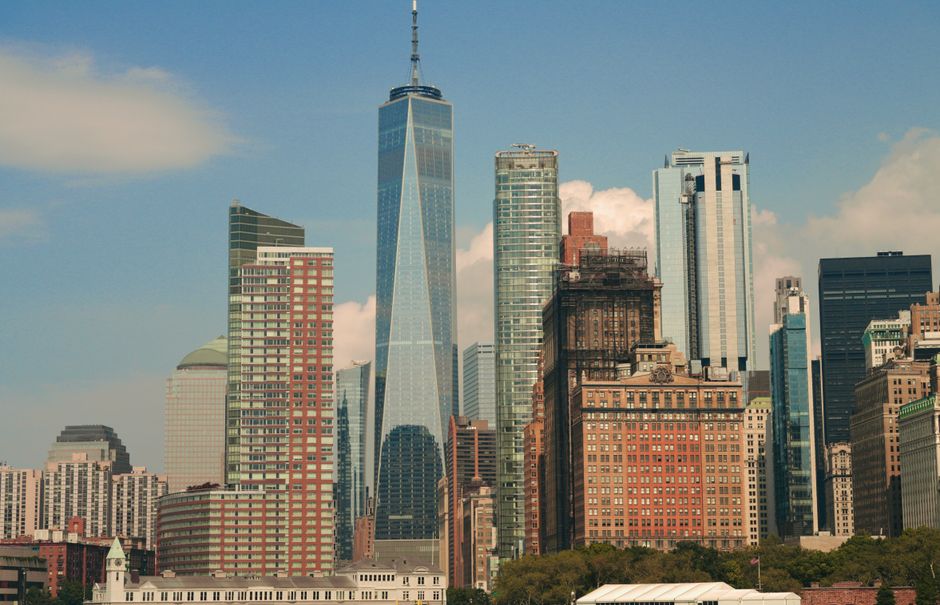
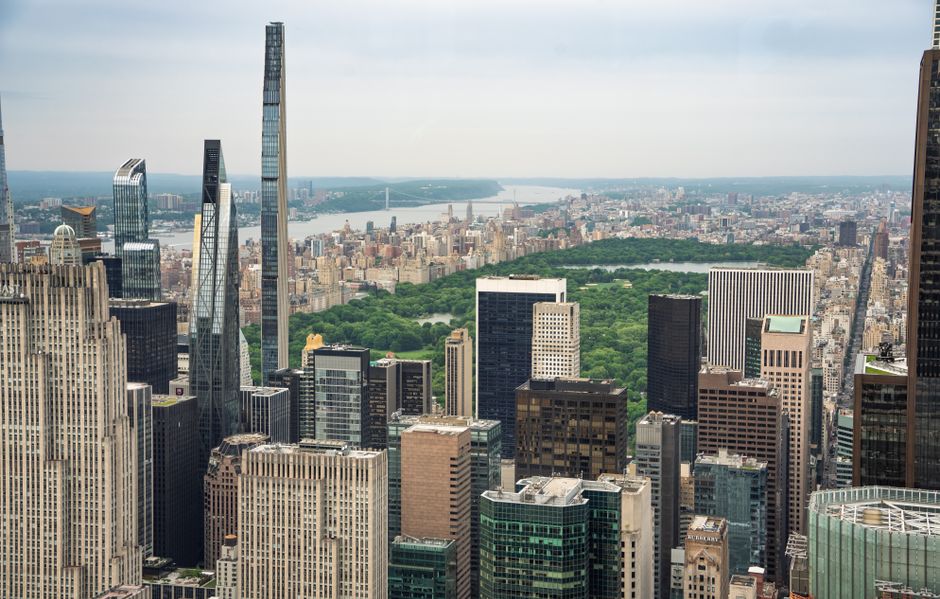
The narrative around New York's affordability crisis has calcified into conventional wisdom: the city is too expensive, young professionals are fleeing, Manhattan is dying. But beneath these broad strokes, a more nuanced story is emerging—one where savvy investors and entrepreneurs are identifying pockets of genuine opportunity as migration patterns reshape neighborhoods and cost structures.
The data tells a striking story. While median rents in Midtown Manhattan hover near $4,200 for a one-bedroom, neighborhoods like Astoria, Queens have seen a 23% appreciation in property values over the past eighteen months, according to commercial real estate analysts tracking the outer boroughs. Sunset Park in Brooklyn, long overlooked, has similarly attracted institutional interest as younger professionals seek accessible entry points within the city.
Real estate investment trusts have taken notice. Several mid-sized firms have quietly assembled portfolios along the N and Q subway lines in Queens, betting on the continued economic viability of neighborhoods with authentic restaurant scenes, lower property taxes, and genuine community infrastructure. One Manhattan-based fund manager noted that buildings purchased in Astoria in 2023 at $650 per square foot are now trading north of $820—a trajectory that would have seemed absurd five years ago.
But the opportunity isn't confined to traditional real estate. Fintech companies are building services specifically designed for New York's new demographic realities. Several startups operating from shared spaces along the High Line in Chelsea and in Long Island City have launched cost-of-living management platforms targeting the 45% of New Yorkers spending more than 30% of household income on rent. These tools optimize insurance, subscription services, and transportation—categories where New Yorkers historically overpay.
The winners so far share a common trait: they moved before the trend became obvious. Early investors in Sunset Park commercial corridors now own properties that generate 8-12% annual yields. Entrepreneurs who relocated to Long Island City before Amazon's expansion was fully realized built companies with substantially lower overhead costs than Manhattan competitors.
What's particularly striking is the ripple effect. As neighborhoods develop genuine economic ecosystems beyond speculation, they attract the professionals, small businesses, and cultural amenities that make them genuinely livable—not just investments. A decade of New York's affordability crisis has created legitimate arbitrage opportunities for those willing to look beyond the traditional Manhattan narrative.
The cost-of-living story isn't ending; it's fragmenting. And in that fragmentation, opportunity persists for those watching carefully.
This article was compiled by AI from the sources linked above and screened before publishing. See our editorial standards.