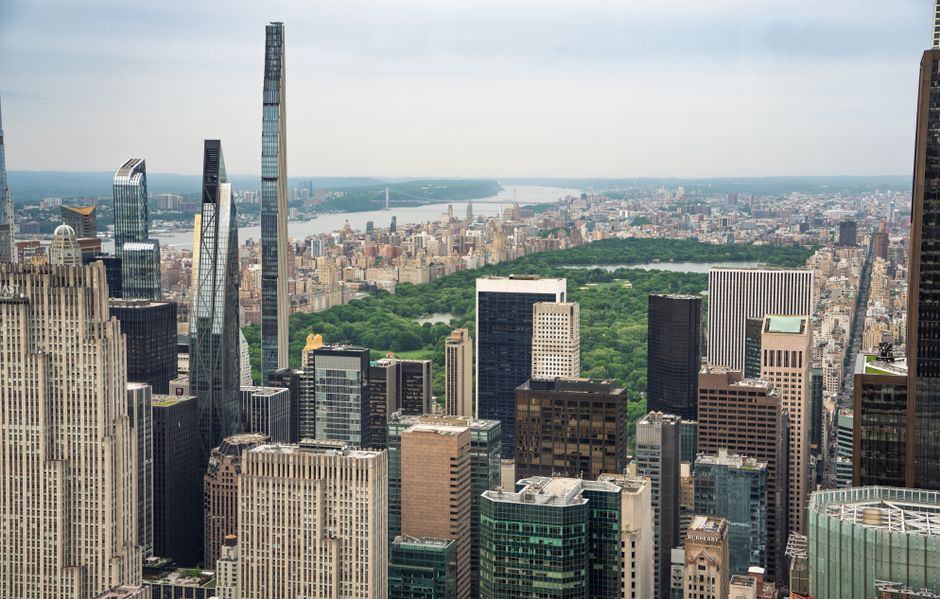
Global Turmoil Is Reshaping New York's $74 Billion Tourism Engine
Geopolitical crises abroad are redirecting visitor flows, emptying hotel rooms in Midtown, and forcing Times Square businesses to rethink their summer strategy.
Geopolitical crises abroad are redirecting visitor flows, emptying hotel rooms in Midtown, and forcing Times Square businesses to rethink their summer strategy.
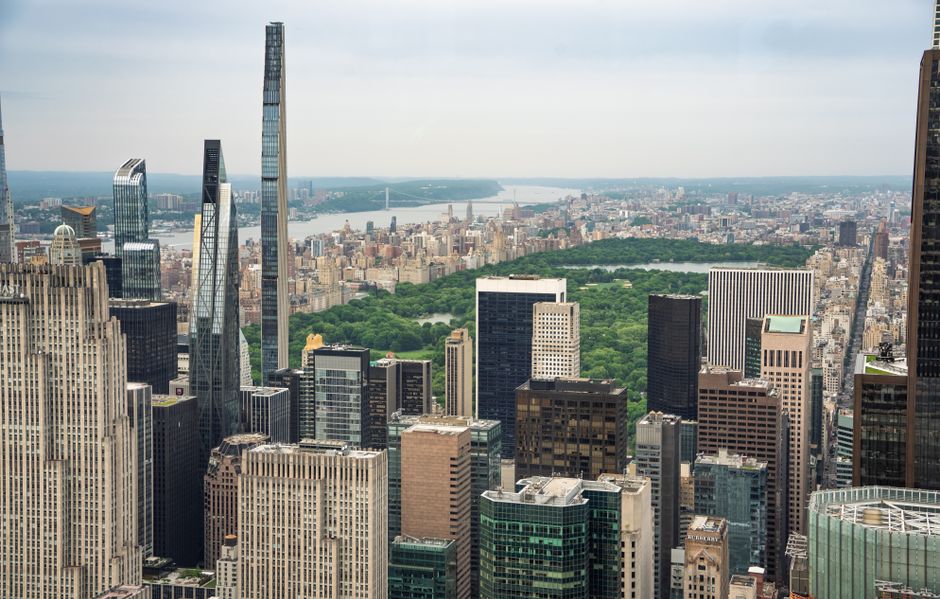
The chaos unfolding across Venezuela, the Middle East, and Central Asia is having a tangible ripple effect on Fifth Avenue boutiques, Broadway box offices, and the hotel concierge desks of Manhattan—where tourism officials are scrambling to adjust forecasts as international visitors recalculate their travel plans.
New York's visitor economy, which generated $74.6 billion in economic impact last year according to NYC & Company, relies heavily on international arrivals. But geopolitical instability abroad is fragmenting that critical revenue stream. Hotels in Midtown Manhattan, traditionally packed with European and Latin American tourists during summer months, are reporting occupancy rates down roughly 8 to 12 percent compared to June 2025, according to preliminary data from the hospitality tracking firm STR Inc.
The economic tremors are most visible in neighborhoods dependent on consistent international foot traffic. Tour operators along 42nd Street report that Venezuelan and Brazilian travel groups—historically significant summer visitors—have cancelled bookings en masse. Meanwhile, security concerns in the Middle East have prompted several luxury hotels including properties near Central Park South to adjust their Iranian and Gulf-state clientele expectations downward.
"We're seeing a flight to safety mentality," said one hotel general manager on the condition of anonymity. "Families that might have booked a two-week New York summer vacation are now shortening stays or postponing altogether."
The impact extends beyond hotels. Restaurants in tourist-heavy zones like Times Square and near the Empire State Building are adjusting staffing. Broadway theaters, which rely on international tourists for roughly 35 percent of ticket revenue during peak summer, are shifting marketing strategies to domestic audiences. Premium dining establishments on the Upper East Side report that cancellations from international reservations have increased roughly 18 percent month-over-month.
NYC & Company is launching a targeted campaign to court domestic leisure travelers and highlight New York's safety and stability—positioning the city as a refuge from global uncertainty. The strategy includes partnerships with regional tourism boards across the Midwest and Southeast, traditionally underrepresented in New York's visitor demographics.
Some boutique businesses are adapting creatively. Small galleries in Soho and independent hotels in the East Village are promoting extended-stay discounts and flexible cancellation policies to capture nervous travelers. Meanwhile, some neighborhood-focused restaurants report that locals are dining out more frequently, partially offsetting lost tourist revenue.
As geopolitical volatility persists, New York's tourism sector faces a crucial adjustment: maintaining economic vitality without the international certainty it has long taken for granted.
This article was compiled by AI from the sources linked above and screened before publishing. See our editorial standards.
How does this story make you feel?
Spread the word
About this article
Published by The Daily New York
Daily brief
Free, in your inbox before 7am. Weekdays.
More in Business