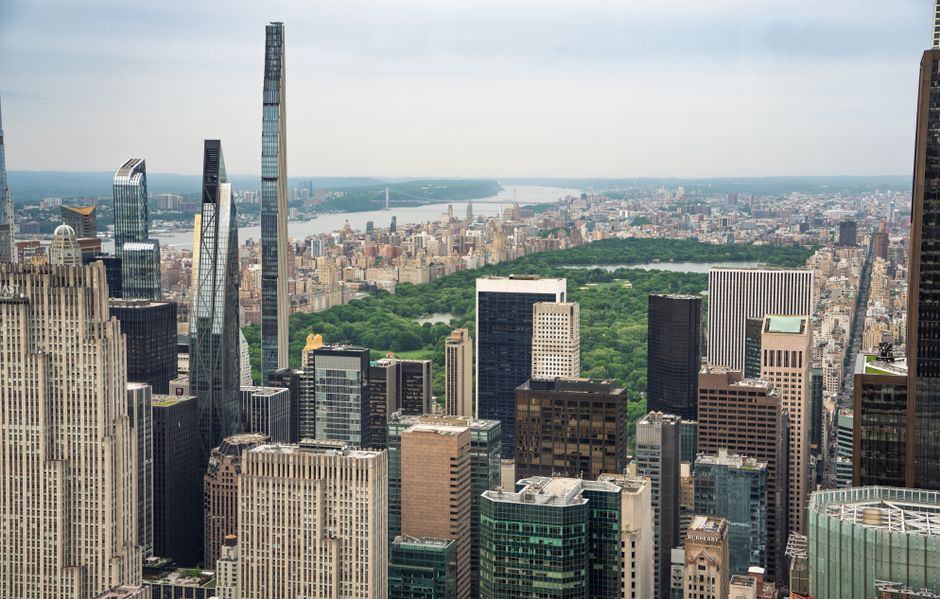
What New Yorkers Need to Know About the City's Tourism Boom—And What It Means for Your Wallet
Record visitor numbers are reshaping neighborhoods from Midtown to Brooklyn, driving up prices and changing how residents experience their own city.
Record visitor numbers are reshaping neighborhoods from Midtown to Brooklyn, driving up prices and changing how residents experience their own city.
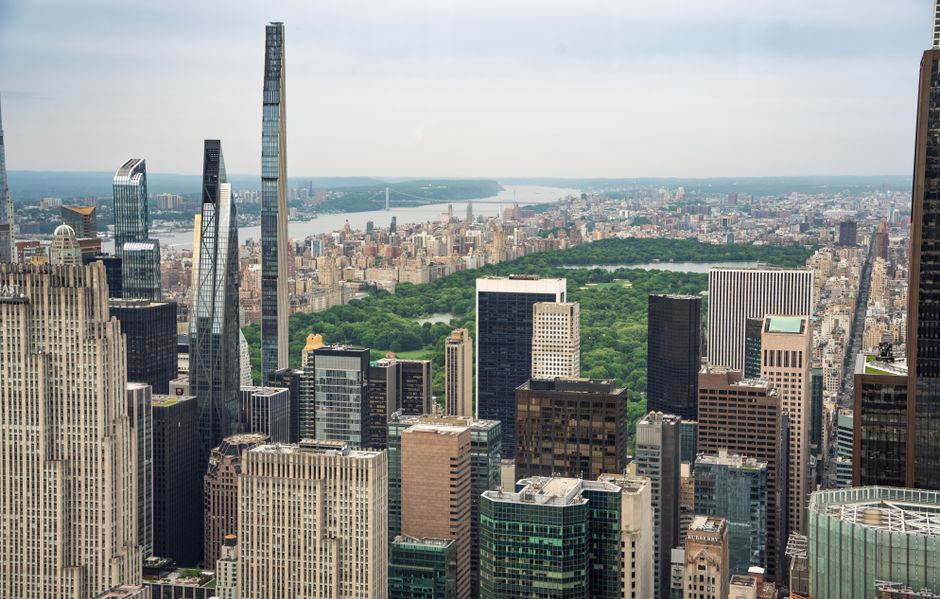
New York City welcomed 61.8 million visitors last year—a post-pandemic record—and that surge is no longer invisible. From Broadway ticket prices climbing 15 percent to restaurant reservations disappearing within hours, the tourism economy is reshaping daily life for residents in ways that directly affect where you eat, how you travel, and what neighborhoods feel like after dark.
The numbers tell a striking story. Hotels across Manhattan are operating at 88 percent occupancy, the highest in a decade. Times Square sees roughly 330,000 pedestrians daily. But here's what matters closer to home: neighborhoods traditionally insulated from tourist traffic are experiencing the spillover. In Park Slope, Brooklyn, corner restaurants that catered to locals for decades are now packed with visitors consulting Google Maps. The M15 bus down the east side of Manhattan now requires smartphone-based crowding apps to function effectively during peak hours.
Prices are following the foot traffic. A casual dinner in the East Village that cost $35 per person five years ago now routinely runs $50 or more. Hotels in outer boroughs—once affordable alternatives—are raising rates as visitors seek "authentic" Brooklyn or Queens experiences. A modest Airbnb in Astoria, Queens, which rented for $110 nightly in 2022, now averages $185.
But the visitor economy creates genuine benefits, too. Small businesses on the High Line's edges, previously struggling, now thrive. Subway vendors, tour operators, and restaurant workers have seen hours increase. The city generates approximately $74 billion annually in visitor spending, supporting roughly 380,000 jobs across hotels, transportation, and retail.
For everyday residents, the practical takeaway is planning differently. Weekend brunches in traditionally quiet neighborhoods now require reservations weeks ahead. Peak tourist seasons—June through August, plus Thanksgiving week and December—transform already crowded subway cars. Broadway TKTS lines stretch around the block.
The Metropolitan Transportation Authority has invested in expanded subway signage and crowding management, but residents should expect continued congestion in central areas. The city's Department of Tourism projects 67 million annual visitors by 2028.
Smart residents are adapting: dining at off-peak hours, using alternate subway routes during peak seasons, and steering toward less-touristy neighborhoods for everyday activities. The visitor economy isn't disappearing. Understanding how it shapes your city—and your access to it—is now essential New York literacy.
This article was compiled by AI from the sources linked above and screened before publishing. See our editorial standards.
How does this story make you feel?
Spread the word
About this article
Published by The Daily New York
Daily brief
Free, in your inbox before 7am. Weekdays.
More in Business