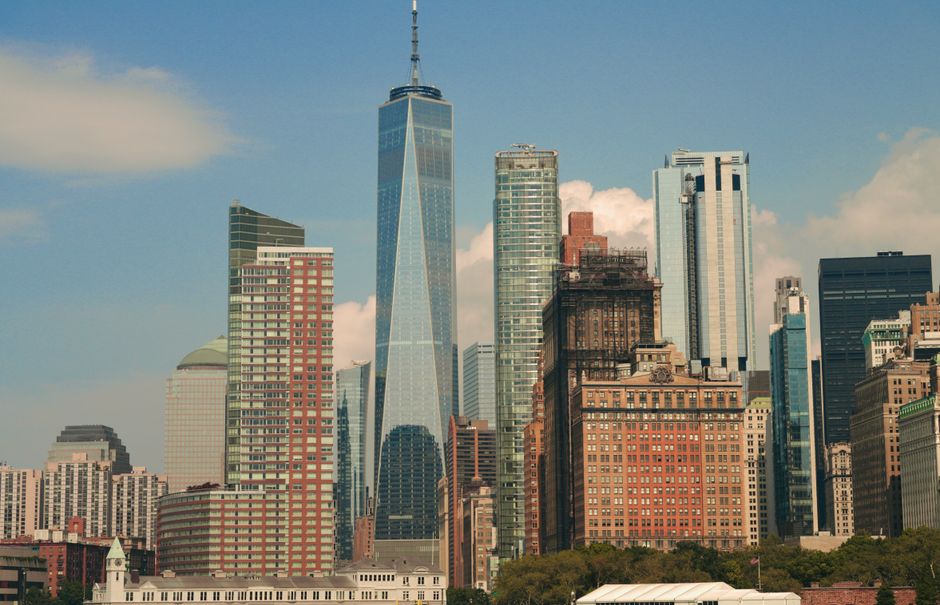
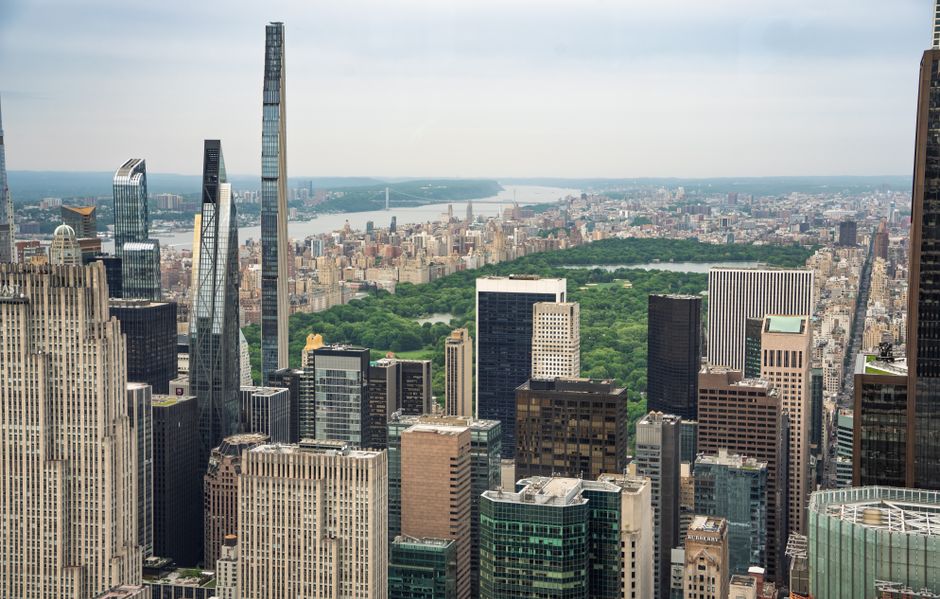
Walk along Fifth Avenue or Park Avenue South and you'll notice something unsettling: entire floors of office buildings sit dark and empty. The New York City office market is in freefall, with vacancy rates hitting 23 percent citywide this spring—the highest in three decades. For most New Yorkers, this feels like a problem for developers and corporate tenants. It isn't. What happens to those empty cubicles will reshape where you live, what your neighborhood looks like, and ultimately what you pay in rent.
The numbers tell a sobering story. Manhattan's commercial real estate market has lost roughly $150 billion in assessed value since 2019, according to recent city data. Major blocks in Midtown—traditionally the financial heart of the city—have seen office occupancy plummet by 40 percent post-pandemic as finance firms, tech companies, and consultancies embraced remote work or downsized. The ripple effects are already visible. Storefronts that depended on office foot traffic—coffee shops, sandwich vendors, dry cleaners—have closed by the thousands. Grand Central Terminal's morning rush feels noticeably lighter.
But here's where residents should pay attention: developers and property owners are racing to convert these office towers into residential apartments. The Bloomberg Building on Lexington Avenue, 28 Liberty Street downtown, and numerous towers in Hudson Yards are now conversion projects. City officials are loosening zoning rules to encourage this shift, hoping to solve New York's acute housing shortage.
The conversion boom creates two competing pressures on renters. On one hand, more housing units could eventually ease the city's chronic shortage and moderate rent growth—which has been brutal, with average Manhattan rents reaching $3,800 monthly for a one-bedroom as of early 2026. On the other hand, newly converted luxury apartments will likely target high-income tenants first, potentially pushing demand for older, affordable stock and raising rents across the board in neighborhoods like the East Village, Long Island City, and the Financial District.
There's also the neighborhood question. Residential conversions bring foot traffic, but office districts powered by dense daytime employment supported a particular ecosystem. Fewer office workers means fewer customers for affordable lunch spots, gyms, and service businesses that made those areas functional. The transformation could make blocks around Penn Station, Hudson Yards, and Midtown East feel quieter, emptier, and genuinely different.
The office market crash isn't an abstract financial story. It's remaking the city block by block. Understanding these shifts helps residents anticipate which neighborhoods might change, whether their area might get more housing—and whether that's actually good for them.
This article was compiled by AI from the sources linked above and screened before publishing. See our editorial standards.