New York's Tourism Rebound: How to Read the Economic Signals Behind Record Visitor Spending
Hotel occupancy rates, average daily rates, and convention center bookings reveal where money is flowing—and what it means for the city's recovery.
Hotel occupancy rates, average daily rates, and convention center bookings reveal where money is flowing—and what it means for the city's recovery.
New York's tourism economy is firing on multiple cylinders, but understanding what the numbers actually mean requires parsing a complex web of overlapping indicators that economists and hospitality executives watch religiously.
Consider hotel occupancy rates, the most visible metric. Manhattan's average occupancy hit 87 percent in the first half of 2026, according to preliminary data from the Hotel Association of New York City. That matters because hotels operate on thin margins—typically 20 to 30 percent—meaning higher occupancy directly improves profitability. But occupancy tells only half the story. Average Daily Rate, or ADR, has climbed to $312 across the borough, up from $278 two years ago. That's where real revenue growth lives.
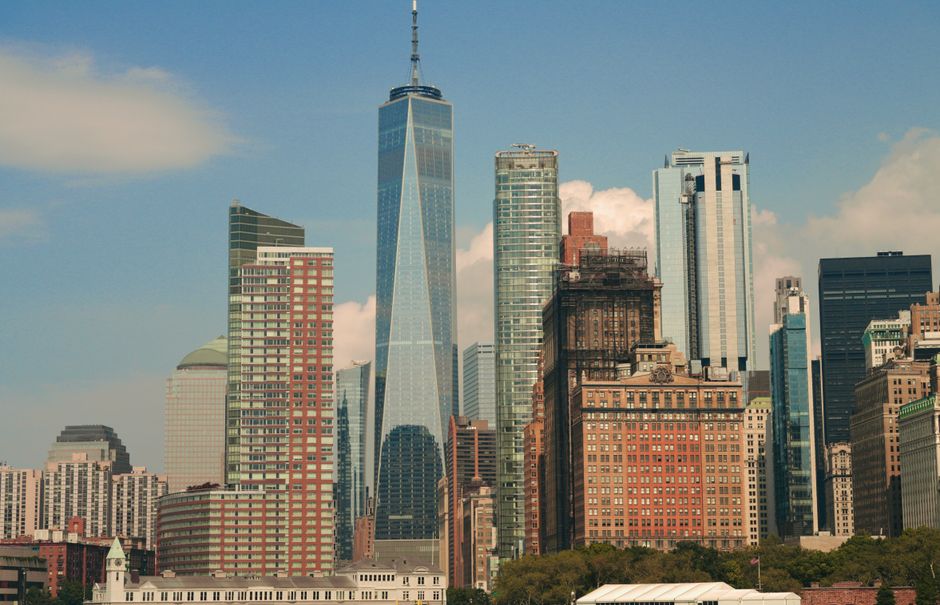
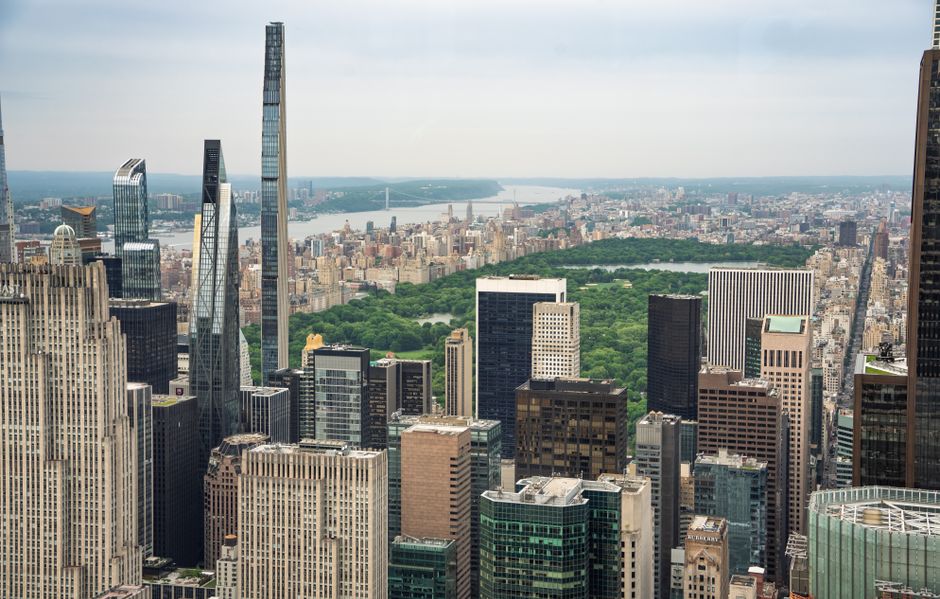
The Midtown corridor, anchored by properties like the Plaza and St. Regis along Fifth Avenue, commands premium rates exceeding $450, driven largely by international leisure travelers and business conferences. The Financial District, meanwhile, shows different patterns: lower nightly rates around $220, but higher weekday occupancy as corporate travel and banking sector activity sustains consistent demand. These divergent trends map directly onto commercial real estate investment flows.
Capital is chasing this momentum. The hospitality investment pipeline into Tribeca, Hudson Yards, and the Lower East Side has accelerated dramatically. Property investment trusts and European hotel operators have deployed an estimated $3.2 billion in New York acquisitions since early 2025, the highest two-year total since 2015. That money flows into renovation, acquisition, and new construction—creating secondary economic ripples through construction employment and supply chain spending.
Convention business offers another leading indicator. The Jacob K. Javits Convention Center on 11th Avenue reported 94 percent booking capacity through 2027, compared to 72 percent in 2023. Major pharmaceutical and technology conferences have locked in dates and committed spending. Each convention delegate typically spends $1,200 to $1,500 daily on hotels, food, and activities, according to the NYC & Company tourism board.
Retail and dining follow these flows predictably. Department stores along Fifth Avenue and Madison Avenue report stronger foot traffic; Michelin-starred restaurants in Midtown and the Upper East Side show booking patterns outpacing pre-pandemic levels. These consumer spending patterns feed employment across service sectors, which represent roughly 15 percent of Manhattan's workforce.
The relationship between these indicators matters strategically. When ADR rises faster than occupancy, it signals pricing power—visitors will pay more. When occupancy rises despite stable ADR, it reflects volume growth. Currently, New York is experiencing both, suggesting genuine demand recovery rather than temporary fluctuations. For investors, business owners, and municipal planners, that's the signal that matters most.
This article was compiled by AI from the sources linked above and screened before publishing. See our editorial standards.
How does this story make you feel?
Spread the word
About this article
Published by The Daily New York
Daily brief
Free, in your inbox before 7am. Weekdays.
More in Business