New York's retail and hospitality sectors are navigating a particularly turbulent moment as June data reveals persistent headwinds that are reshaping how businesses operate across Manhattan, Brooklyn, and beyond. Labor costs have become the defining challenge for operators, with entry-level hospitality wages now averaging $18.50 an hour—up nearly 22 percent since 2024—while commercial rents in prime neighborhoods remain stubbornly elevated despite modest softening in secondary markets.
The New York City Hotel Association reports that occupancy rates have stabilized around 82 percent citywide, a modest improvement from earlier in the year, but average daily room rates have plateaued. For restaurant operators, the squeeze is more acute. Foot traffic in major dining corridors—Nolita, the East Village, and the rapidly gentrifying parts of Williamsburg—has become increasingly dependent on tourists and affluent locals rather than the consistent weekday business that used to anchor operations.
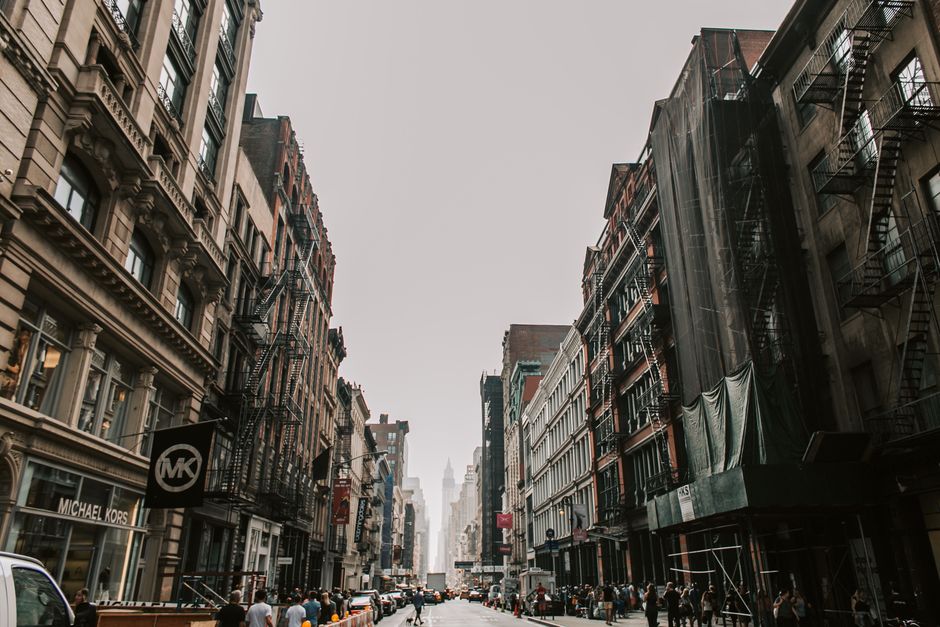
Data from the Partnership for New York City indicates that commercial tenants in neighborhoods like the Financial District and Midtown East are increasingly negotiating shorter lease terms and demanding more flexibility. Several established retailers on Fifth Avenue and Madison Avenue have either downsized or relocated to secondary locations, signaling a broader recalibration of what premium real estate commands in a digitally transformed retail environment.
The food delivery boom, once expected to be a permanent revenue stream, is now showing signs of maturation. Commission rates charged by DoorDash and Grubhub—typically 25 to 30 percent of order value—have become unsustainable for many independent operators, forcing difficult choices about online presence versus margin preservation. Meanwhile, ghost kitchens and shared commercial spaces in outer boroughs are attracting operators seeking lower overhead.
Staffing remains the thorniest issue. Hospitality workers, facing escalating housing costs and transportation expenses, are increasingly choosing positions in corporate settings with benefits and stability. Boutique hotels on the Upper West Side and ambitious new restaurants in Long Island City are reporting higher turnover rates and extended recruitment timelines. Some establishments have begun offering signing bonuses and accelerated promotion pathways to secure talent.
Looking forward, industry observers suggest that 2026's second half will separate survivors from casualties. Operators who embrace hybrid service models, invest strategically in staff retention, and ruthlessly optimize supply chains appear positioned to weather the cycle. For New York's hospitality ecosystem, adaptation—not expansion—has become the operative mandate.
This article was compiled by AI from the sources linked above and screened before publishing. See our editorial standards.