Why New York's Startup Boom Is Slowing—And What the Numbers Really Tell Us
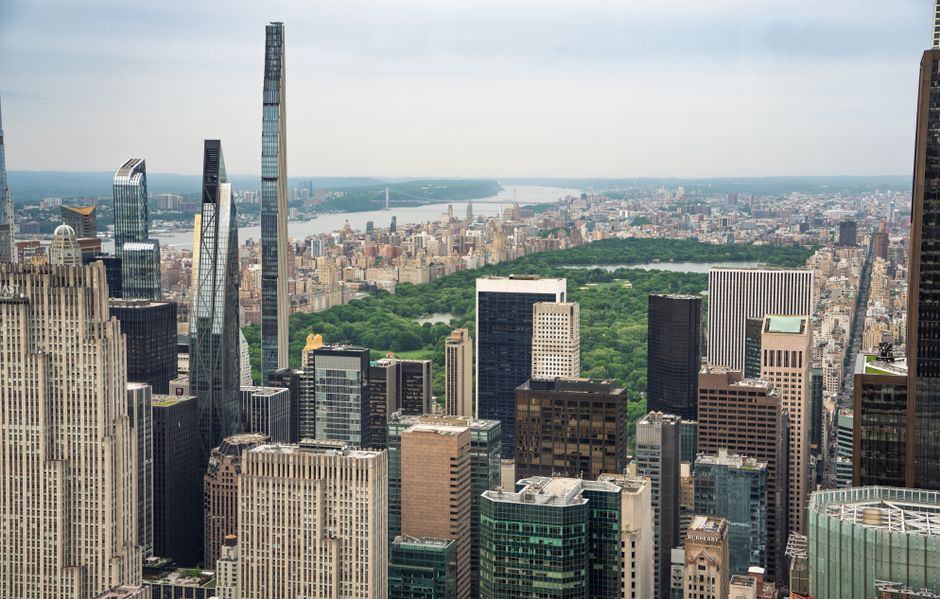
A closer look at venture capital flows and early-stage funding reveal shifting investor appetite in Manhattan's innovation districts.
A closer look at venture capital flows and early-stage funding reveal shifting investor appetite in Manhattan's innovation districts.
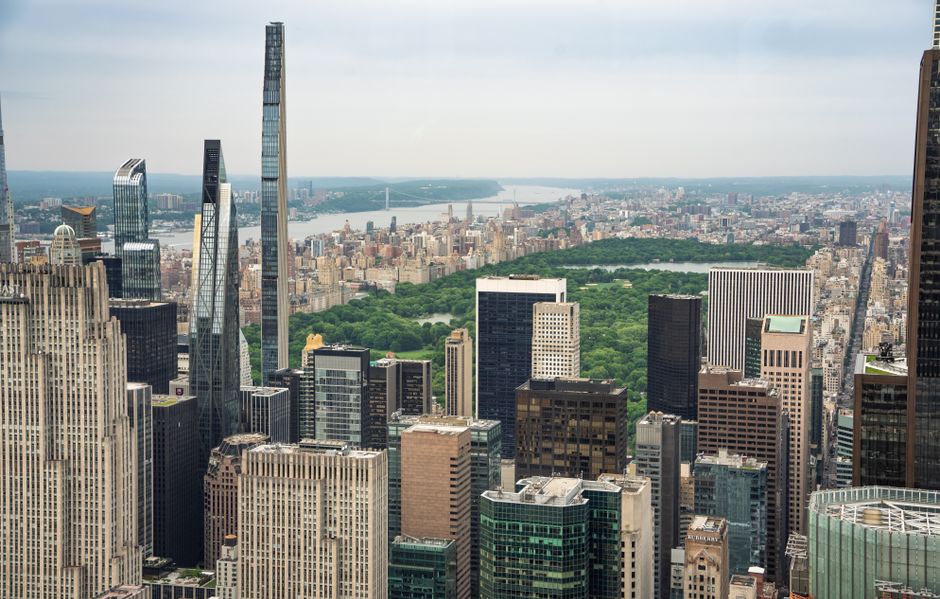
New York's startup ecosystem is sending mixed signals as mid-2026 approaches. While the city remains a global innovation hub, recent capital deployment data offers a more nuanced picture than headline valuations suggest—one that deserves careful parsing for anyone tracking the city's economic trajectory.
Venture funding into New York-based startups has decelerated to $8.2 billion through the first half of 2026, down roughly 23 percent from the same period last year, according to preliminary figures from Crunchbase and regional venture data. This slowdown mirrors a broader national contraction in early-stage investment, but New York's decline carries particular weight given the city's outsized role in setting trend cycles for U.S. innovation capital.
The cooling is most pronounced in Midtown Manhattan and parts of Tribeca, historically dense with venture-backed firms. Coworking spaces along the Flatiron District—once operating at near-capacity occupancy—are reporting 12 to 15 percent vacancy increases. Real estate brokers tracking startup office leases on Fifth Avenue and Broadway note asking rents have softened to $55 to $65 per square foot annually, down from $70 to $75 just eighteen months ago. This matters because real estate velocity is a leading indicator of capital confidence.
Seed-stage funding, typically the engine of ecosystem health, has contracted most sharply. Deals under $5 million dropped 31 percent year-over-year through June, suggesting investors are exercising caution before companies demonstrate product-market fit. Series A and B rounds—where proven concepts attract growth capital—held steadier, declining only 8 percent, indicating investors remain willing to back proven teams but are gatekeeping entry.
However, certain sectors buck the trend. Artificial intelligence and biotech startups based near the NYU and Columbia research corridors continue drawing institutional capital. Healthcare innovation hubs in the Murray Hill and East Side neighborhoods are attracting pharmaceutical partnerships that offset broader startup weakness.
The broader economic context matters here. Rising interest rates have made venture capital—typically a high-risk asset class—less attractive relative to stable fixed income. Large endowments and family offices, which fuel much of Manhattan's startup ecosystem, have rebalanced portfolios toward bonds and real estate.
For entrepreneurs and employees in New York's startup scene, the implications are straightforward: capital remains available for strong teams solving real problems, but the era of venture abundance has passed. The city's innovation districts are consolidating rather than expanding—a healthier, if less exuberant, phase of maturation.
This article was compiled by AI from the sources linked above and screened before publishing. See our editorial standards.
How does this story make you feel?
Spread the word
About this article
Published by The Daily New York
Daily brief
Free, in your inbox before 7am. Weekdays.
More in Business