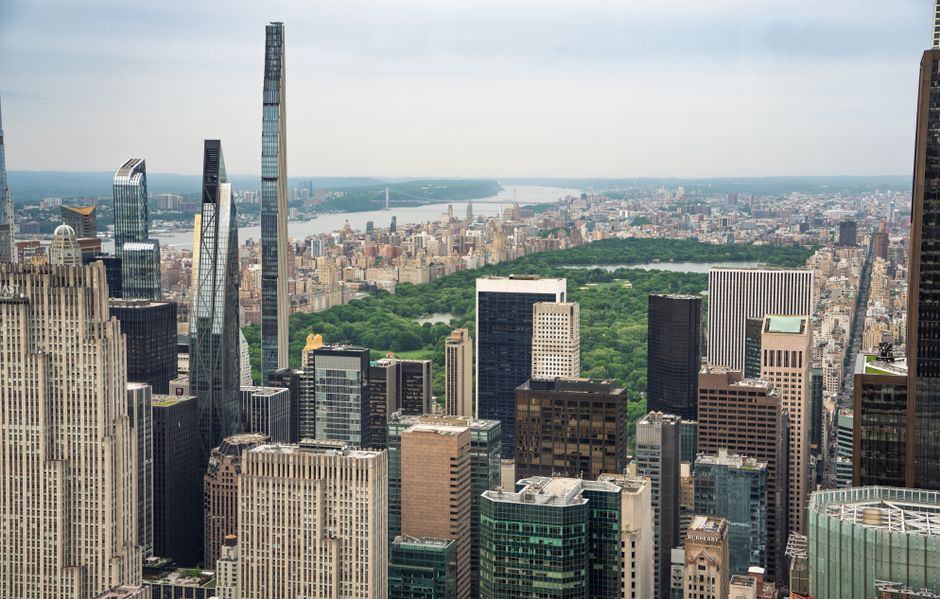
New York's tourism sector is sending unmistakable signals to Wall Street investors: the city's rebound is real, and capital is flowing accordingly. Data from the first half of 2026 shows hotel occupancy across Midtown Manhattan averaging 87 percent, with average daily rates climbing to $289—metrics that are reshaping how financial institutions evaluate real estate and hospitality investments in the five boroughs.
The Hilton Times Square and Marriott Marquis, both anchoring Broadway's commercial corridor, have seen their valuations increase by double digits since January. These aren't anomalies. Major institutional investors, from BlackRock to Starwood Capital Group, have announced $2.3 billion in combined commitments to New York hospitality properties over the next three years—a figure that underscores confidence in sustained visitation demand.
What's driving this optimism? Convention bookings provide crucial context. The Jacob K. Javits Convention Center reported a 34 percent year-over-year increase in signed contracts for 2027 and beyond. The New York Convention & Visitors Bureau has secured commitments from 147 international trade shows and corporate conferences, generating an estimated $850 million in direct spending. When major conventions lock in dates, it signals a belief that global business travel will remain robust.
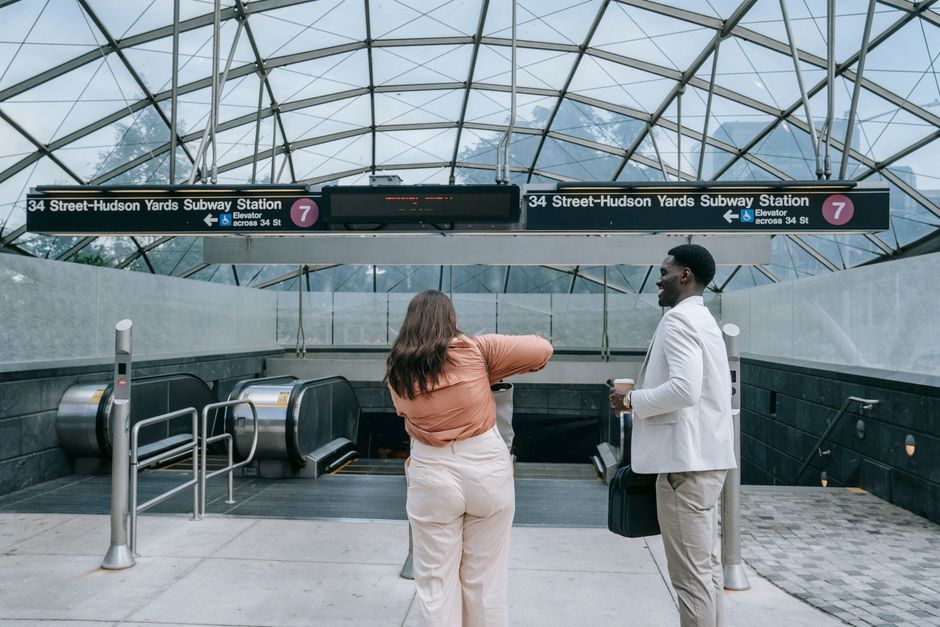
Beyond hotels, the visitor economy ripples through neighborhoods in measurable ways. Foot traffic data from the Times Square-42nd Street subway station—one of the world's busiest—shows 2.1 million weekly entries, approaching 2019 levels. This matters because it justifies retail investments: luxury brands are opening flagship locations along Fifth Avenue and SoHo, with reported lease rates reaching $1,100 per square foot in prime spots.
Restaurant and attraction operators are responding accordingly. The Metropolitan Museum of Art's annual operating budget now exceeds $345 million, with ticket revenues and visitor spending supporting expansion projects. Smaller venues, from jazz clubs in Greenwich Village to museums in the Upper West Side, are reporting stronger advance bookings and per-visitor spending increases of 8 to 12 percent.
The investment thesis is straightforward: when convention centers fill, hotel occupancy climbs, and subway ridership spikes, it signals healthy underlying demand. These economic indicators—measurable, transparent, trackable—are what institutional investors monitor before committing billions. The convergence of strong metrics across multiple data points suggests New York's $74 billion visitor economy isn't just recovering; it's restructuring itself around post-pandemic preferences that favor major events, cultural experiences, and premium accommodations.
For investors and city planners alike, the message is clear: follow the data, and the money follows the fundamentals.
This article was compiled by AI from the sources linked above and screened before publishing. See our editorial standards.