What New York Residents Need to Know About Your Shrinking Wallet in 2026
As inflation persists and interest rates remain elevated, everyday New Yorkers face tough choices about rent, savings, and long-term financial security.
As inflation persists and interest rates remain elevated, everyday New Yorkers face tough choices about rent, savings, and long-term financial security.
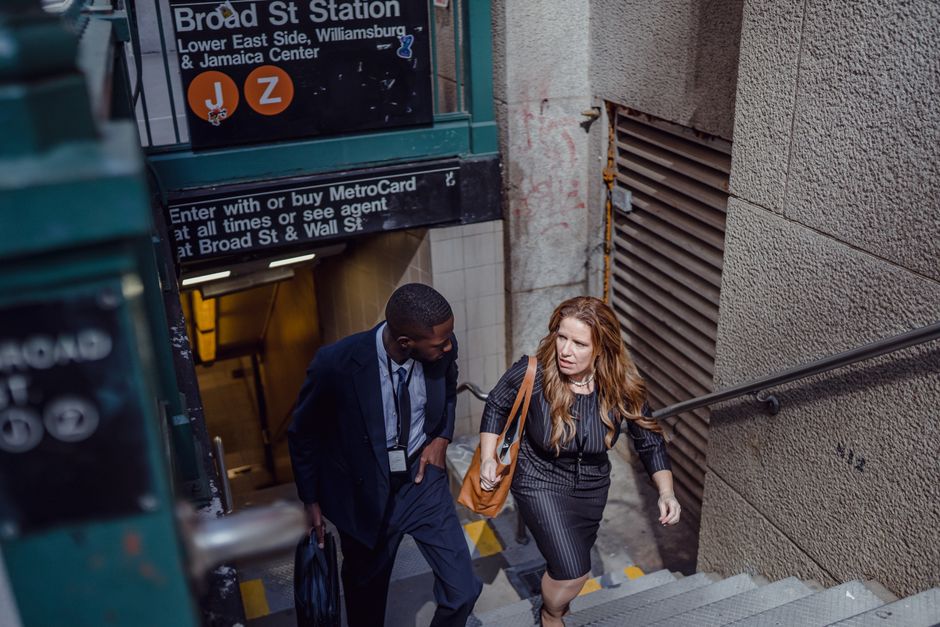
Walk into any bodega on the Upper West Side or grab coffee in Williamsburg, and the conversation is the same: everything costs more. For New York residents navigating one of the world's most expensive cities, understanding what's happening to your money has never been more critical.
The numbers tell a sobering story. The median rent for a one-bedroom apartment in Manhattan now hovers near $3,400 monthly, while outer boroughs offer modest relief—though a comparable space in Park Slope, Brooklyn, or Forest Hills, Queens still commands $2,600 to $2,900. For renters spending 30 percent or more of their income on housing, that pressure is relentless. Meanwhile, grocery prices at places like Whole Foods on Columbus Avenue or neighborhood supermarkets in the Bronx remain stubbornly elevated, with a basic family shopping trip routinely exceeding $150.
What's driving this? Two interconnected forces. First, interest rates remain elevated compared to the pandemic era, making borrowing—whether for mortgages, car loans, or credit card balances—significantly more expensive. Second, wage growth for most workers hasn't kept pace with inflation, even as headline inflation has cooled slightly. For the average New York household earning around $75,000 annually, that gap is the squeeze.
Financial advisors across the city are emphasizing three practical strategies for residents. Start by auditing subscriptions and recurring charges; the average New Yorker subscribes to six streaming services without realizing it. Second, prioritize building emergency savings even if it means cutting discretionary spending—unexpected costs disproportionately harm those without cash reserves. Third, understand your credit score, as it directly affects your borrowing costs.
The stakes extend beyond monthly survival. Young professionals considering staying in New York face a critical question: can I build wealth here? Homeownership in the five boroughs remains out of reach for many middle-income families, forcing a choice between accepting permanent renter status or relocating to more affordable metros.
For those remaining in the city, maximizing employer benefits—401(k) matching, health savings accounts, transportation subsidies—becomes essential. The good news: New York's economy remains robust, with job opportunities across finance, tech, and healthcare. The challenge: converting that income stability into actual financial security requires discipline and informed decision-making.
The bottom line for New Yorkers: your paycheck isn't keeping up with your costs, and acknowledging that reality is the first step toward protecting your financial future in an increasingly unforgiving city.
This article was compiled by AI from the sources linked above and screened before publishing. See our editorial standards.
How does this story make you feel?
Spread the word
About this article
Published by The Daily New York
Daily brief
Free, in your inbox before 7am. Weekdays.
More in Business