New York's Job Market Faces Perfect Storm of Headwinds in 2026
Rising costs, automation pressures, and talent flight are testing the city's reputation as an economic engine.
Rising costs, automation pressures, and talent flight are testing the city's reputation as an economic engine.
New York's legendary job market is confronting a cascade of challenges that threaten to derail hiring momentum heading into the second half of 2026. After a robust recovery from the pandemic, employers across Manhattan, Brooklyn, and the outer boroughs are now grappling with soaring operational costs, accelerating automation, and an exodus of talent to rival business hubs—a combination that's dampening expansion plans and wage growth.
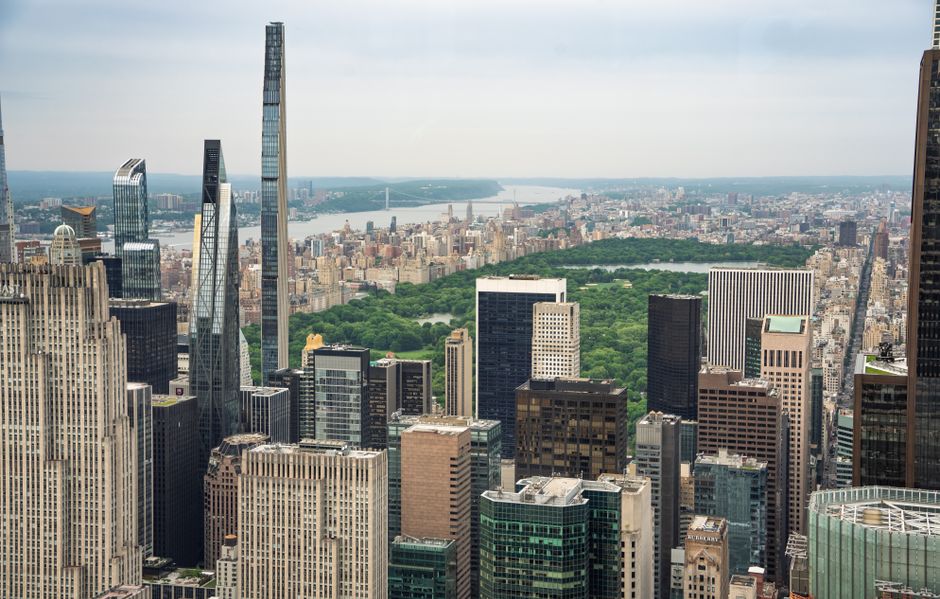
The headwinds are particularly acute in Midtown Manhattan's traditionally dominant finance and professional services sectors. Major banks and consulting firms headquartered near Grand Central Terminal have announced hiring freezes or modest reductions, citing margin pressures and client uncertainty. Meanwhile, commercial real estate remains stressed: office vacancy rates hover above 12 percent in Midtown, according to recent brokerage data, forcing companies to rethink their footprint and hiring timelines.
Tech companies, which fueled much of the city's job growth over the past five years—particularly in Dumbo, Flatiron, and Hudson Yards—are also recalibrating. A combination of higher interest rates, competition from cities offering tax incentives, and remote work normalization has cooled the bullish expansion that characterized 2023 and 2024. Startups that once hired aggressively now scrutinize every headcount decision.
The hospitality and retail sectors face their own pressures. Labor costs in New York, already among the nation's highest, have climbed further as workers seek wages that match the city's living expenses. A studio apartment in many neighborhoods now exceeds $2,400 monthly, forcing service industry workers to depend on second jobs or leave the city altogether.
Automation is also reshaping hiring patterns. Logistics companies operating out of warehouses in Queens and the Bronx are replacing mid-skill positions with robotics and software systems. Manufacturing remnants in Red Hook and Sunset Park have similarly pivoted toward technology-driven operations requiring fewer but more specialized workers.
The city's unemployment rate, while still below the national average at approximately 4 percent, masks deeper concerns about job quality and wage stagnation among middle-skill positions. Entry-level roles proliferate, yet career pathways feel increasingly unclear for workers without specialized credentials.
Some bright spots remain. Healthcare continues hiring steadily, bolstered by aging demographics. Green energy initiatives tied to the state's climate commitments are creating opportunities in Astoria and Long Island City. Yet recruiters and business leaders across the city acknowledge 2026 represents an inflection point—one requiring strategic patience rather than the exuberant hiring posture of recent years.
This article was compiled by AI from the sources linked above and screened before publishing. See our editorial standards.
How does this story make you feel?
Spread the word
About this article
Published by The Daily New York
Daily brief
Free, in your inbox before 7am. Weekdays.
More in Business