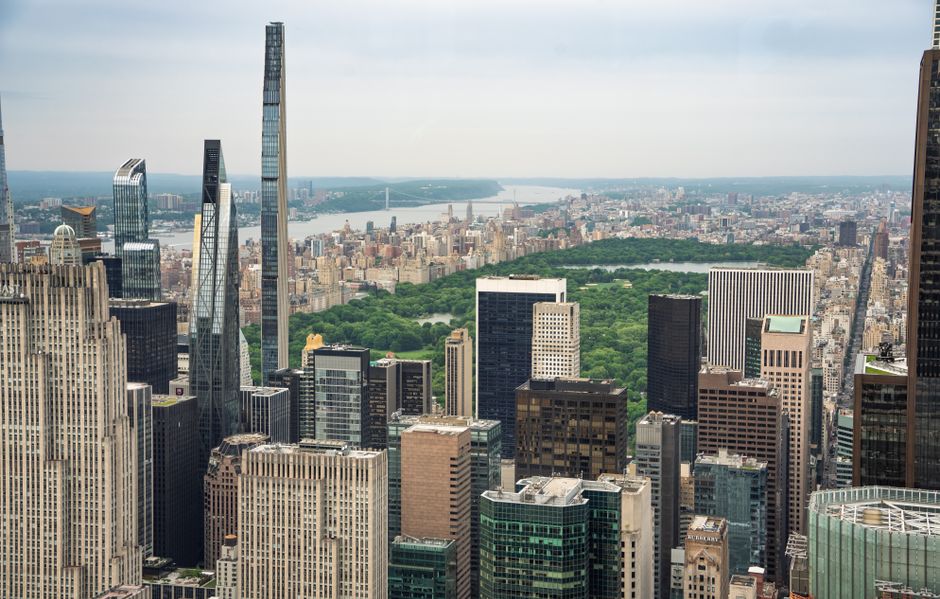
New York's tourism industry is experiencing a robust recovery that extends far beyond hotel occupancy rates. The surge in international and domestic visitors—projected to reach 66 million this year, eclipsing pre-pandemic levels—is fundamentally reshaping the city's employment landscape, creating both opportunities and challenges for hospitality operators, restaurants, and attractions competing for workers.
Hotels from Times Square to the High Line are grappling with chronic staffing shortages even as they report near-capacity bookings. Major properties along Park Avenue and Fifth Avenue have increased entry-level housekeeping wages to $22-25 per hour, a significant jump from the $18-19 range typical five years ago. Front-desk and concierge positions now regularly command signing bonuses of $1,500 to $3,000, reflecting the desperation among operators to fill roles.
The competition extends across the entire visitor economy. Fine dining establishments in Tribeca and the Financial District are raiding talent from each other, while casual dining chains throughout Midtown report turnover rates exceeding 40 percent annually. Food delivery services and hospitality staffing agencies have proliferated along with the demand, creating a parallel talent market that absorbs workers at unprecedented rates.
"We're seeing workers negotiate benefits packages that would have been unthinkable two years ago," said a spokesperson for the NYC Hotel and Hospitality Alliance, noting that employers now routinely offer healthcare benefits to part-time workers and expanded paid leave to remain competitive.
The phenomenon is particularly acute in outer boroughs experiencing tourism growth. Williamsburg and Long Island City, where boutique hotels and experiential attractions have proliferated, are drawing service workers from traditional employment centers. Astoria's cultural venues and Jackson Heights' diverse dining scene have become tourist draws, pulling talent away from retail and office positions.
This economic shift carries implications for city planning and workforce development. Community organizations in Queens and upper Manhattan report increased interest in hospitality training programs, with many tracking placement rates above 75 percent. Yet many workers struggle with the sector's irregular scheduling and limited advancement prospects, creating a perpetual talent churn.
Industry leaders warn that without systemic investment in workforce stability—including affordable housing near major hospitality hubs and professional development pathways—New York risks becoming a city where tourism growth generates low-wage job proliferation rather than sustainable, middle-class careers. The next 18 months will be critical in determining whether this boom creates lasting economic opportunity or deepens existing inequality in America's premier tourist destination.
This article was compiled by AI from the sources linked above and screened before publishing. See our editorial standards.