NYC Office Vacancy Rate Hits 18% in 2026 Crisis
Manhattan's commercial real estate market faces historic challenges as office vacancy reaches 18%, forcing New York landlords to choose between costly modernization or losses.
Manhattan's commercial real estate market faces historic challenges as office vacancy reaches 18%, forcing New York landlords to choose between costly modernization or losses.
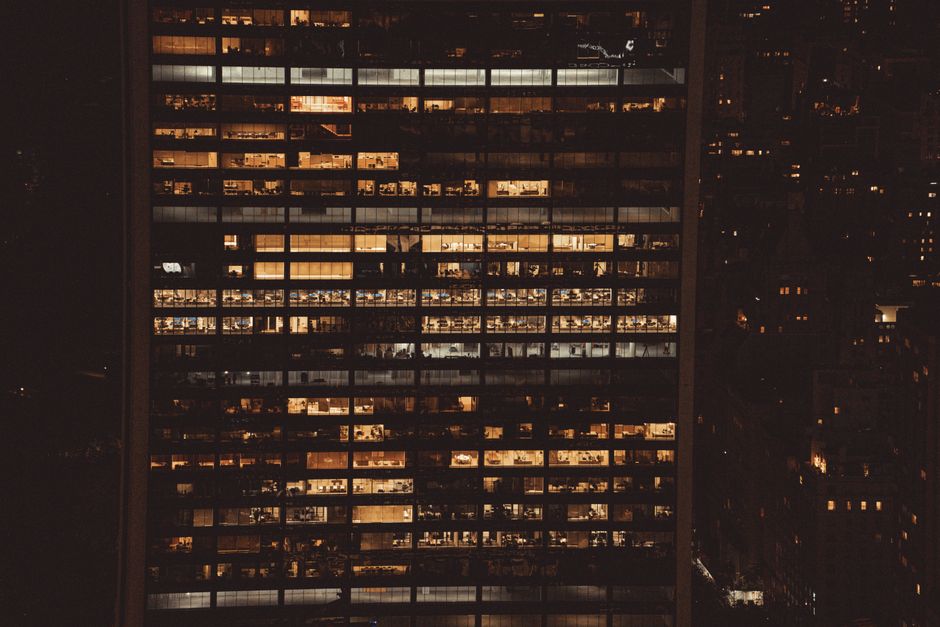
The Manhattan office market is navigating treacherous terrain. After years of post-pandemic volatility, 2026 has emerged as a year of reckoning for a sector that once seemed invincible in the world's most densely packed business hub.
The numbers tell a sobering story. Midtown Manhattan's office vacancy rate has hovered near 18 percent, the highest in over a decade, with particularly acute pain in older Class B and C buildings. Prime trophy assets along Park Avenue and in Hudson Yards command strong rents—pushing $80 to $95 per square foot annually for top-tier space. But the gap between premium and secondary markets has never been wider. Landlords holding aging stock in the Financial District and along Fifth Avenue are facing a brutal calculus: massive capital expenditures to modernize, or accept significantly lower rents and longer tenant acquisition cycles.
The culprit? A toxic combination of factors. Remote work policies, now five years into normalization, have permanently reduced demand. Tech companies, once voracious office space consumers, have consolidated footprints dramatically. Meanwhile, rising interest rates have strangled refinancing opportunities. Commercial mortgage-backed securities that underpinned much of the 2010s boom are struggling, and banks have tightened lending standards on office-use properties.
Real Estate Board of New York data shows leasing velocity in Q2 2026 running 22 percent below the five-year average. Even major corporations are rethinking their real estate strategies. The trend toward hub-and-spoke models—smaller, premium offices in key locations rather than sprawling campuses—has reshaped demand patterns across Midtown, Murray Hill, and Flatiron.
Conversion projects, once positioned as a silver bullet, are proving more complex and expensive than anticipated. While some Soho and Tribeca properties have successfully transformed from commercial to residential use, the conversion economics deteriorate sharply as you move into Midtown's aging tower stock, where ceiling heights, floor plates, and infrastructure create significant conversion barriers.
What keeps some market participants cautious about disaster scenarios: New York's unmatched talent density and professional services infrastructure remain unmatched globally. Major financial institutions and law firms continue to maintain significant footprints. But they're negotiating harder than ever, and landlords know it.
For now, the sector is in a holding pattern—hoping interest rates stabilize, watching for signs that remote work pendulums might swing back slightly, and calculating whether their properties justify the investment necessary to remain competitive.
This article was compiled by AI from the sources linked above and screened before publishing. See our editorial standards.
How does this story make you feel?
Spread the word
About this article
Published by The Daily New York
Daily brief
Free, in your inbox before 7am. Weekdays.
More in Business