Manhattan's office vacancy rate hit 23.4 percent in the second quarter of 2026, according to figures compiled by CBRE, a number that would have been unthinkable before 2020 and still sits near historic highs despite two years of return-to-office pressure from major employers. The raw vacancy figure, however, tells only half the story. Where money is flowing-and where it is conspicuously absent-explains far more about the borough's commercial future than any single data point.
The timing matters. The Federal Reserve has held its benchmark rate at 4.25 percent since February, pausing a cutting cycle that investors had expected to accelerate. Higher borrowing costs compress valuations and freeze deal volume. Add geopolitical turbulence-disrupted supply chains, European security anxieties, and energy market volatility tied to the ongoing war in Ukraine-and institutional capital that might otherwise flow into New York commercial real estate is sitting on the sidelines, or hunting for yield in shorter-duration instruments instead.
A Tale of Two Markets: Midtown Holds, Outer Boroughs Lag
Midtown remains the clearest dividing line in the city's office story. The corridor running along Park Avenue between 42nd and 57th Streets is seeing selective but meaningful leasing activity. Blackstone signed a lease renewal at 345 Park Avenue in April 2026 for approximately 190,000 square feet, a vote of confidence that brokers say stabilised asking rents in that immediate pocket at around $105 per square foot annually. Meanwhile, Class B towers in the Plaza District and along Sixth Avenue are struggling to hold tenants as firms either upgrade to trophy space or downsize altogether.
Downtown tells a grimmer story. The Financial District, which had been repositioning itself as a mixed-use destination since the pandemic, saw net absorption turn negative in the first quarter of 2026 for the second consecutive period. Buildings along Water Street-long a secondary office address-are converting floors to residential use under the city's Office Conversion Accelerator Program, launched in late 2023. That program has approved 18 projects citywide so far, translating to roughly 5.5 million square feet of potential residential conversion, though fewer than a third are under active construction as of this month.
Brooklyn's commercial market, centred on the Dumbo and Downtown Brooklyn submarkets, is flattening after a post-pandemic surge. Co-working operator WeWork, which exited bankruptcy in May 2024 under new ownership, still holds space at 81 Prospect Street in Dumbo, but its footprint there is roughly 30 percent smaller than its pre-restructuring lease. Smaller tech and media tenants that drove Brooklyn rents upward through 2022 have not been replaced at the same pace.
What the Investment Numbers Actually Signal
Office building sales volume in New York City totalled just $2.1 billion in the first half of 2026, according to data from Real Capital Analytics-down from $4.8 billion in the same period of 2024. That contraction is not simply a function of high rates. It reflects a genuine repricing debate between buyers and sellers that has yet to resolve. Distressed sales are beginning to pick up: in June, a 22-story tower on West 57th Street traded at roughly 41 cents on the dollar relative to its 2019 assessed value, a signal that some lenders are finally accepting losses rather than extending troubled loans.
For investors parsing these signals, the practical read is this: trophy assets with long-term investment-grade tenants in Midtown are holding value, while everything else faces a long, slow grind to a new pricing equilibrium. The city's economic development agency, Empire State Development, has flagged commercial real estate stress as one of three priority areas for its 2026 capital deployment strategy, though specific program details remain under review ahead of the fiscal year starting in October.
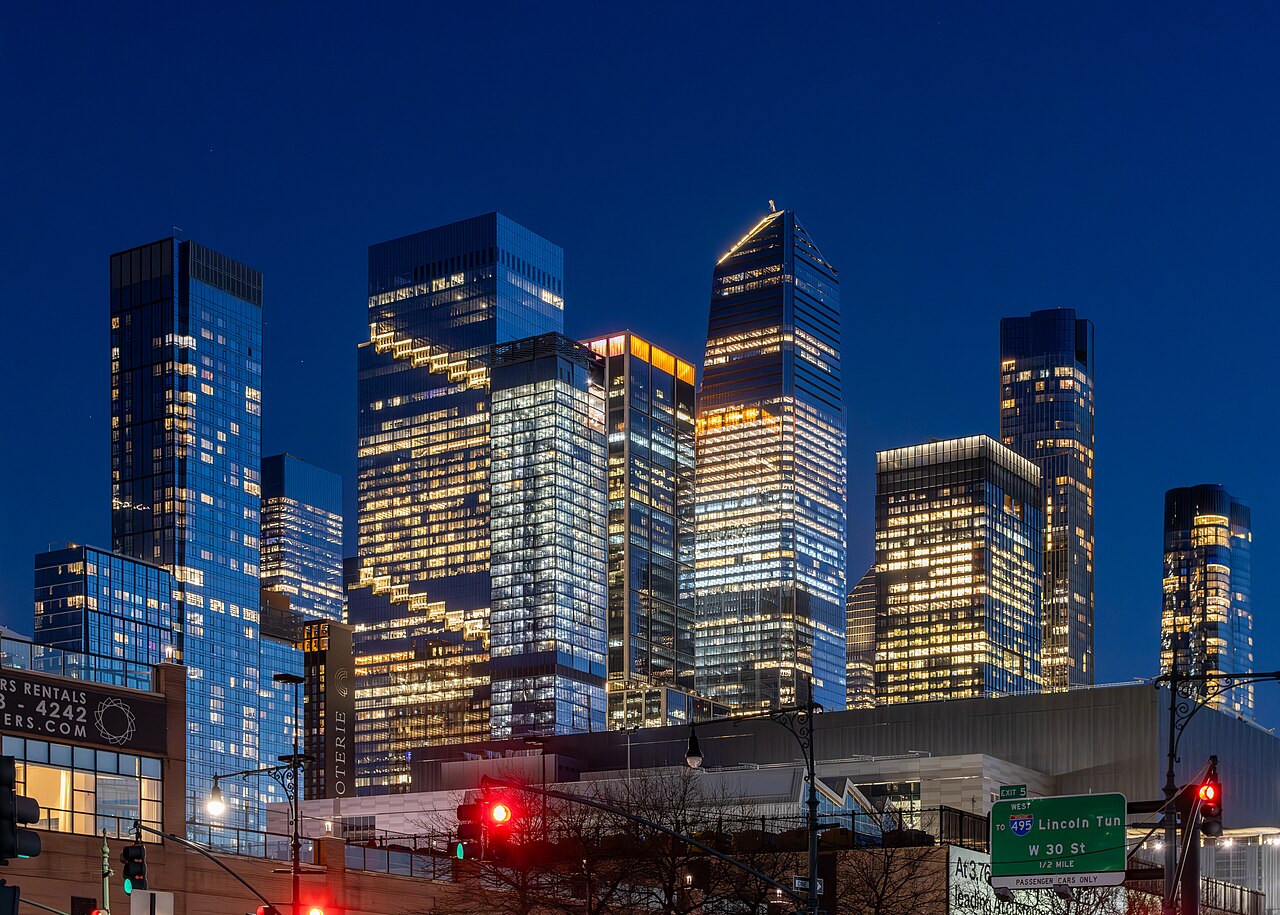
Buyers with patient capital and low leverage are beginning to circle specific assets-particularly in Hudson Yards and around the Hudson Yards-adjacent blocks of the Far West Side, where infrastructure investment has been substantial. The next 90 days, before the Fed's September meeting, will likely determine whether that circling turns into signed term sheets or another quarter of deliberate inaction.