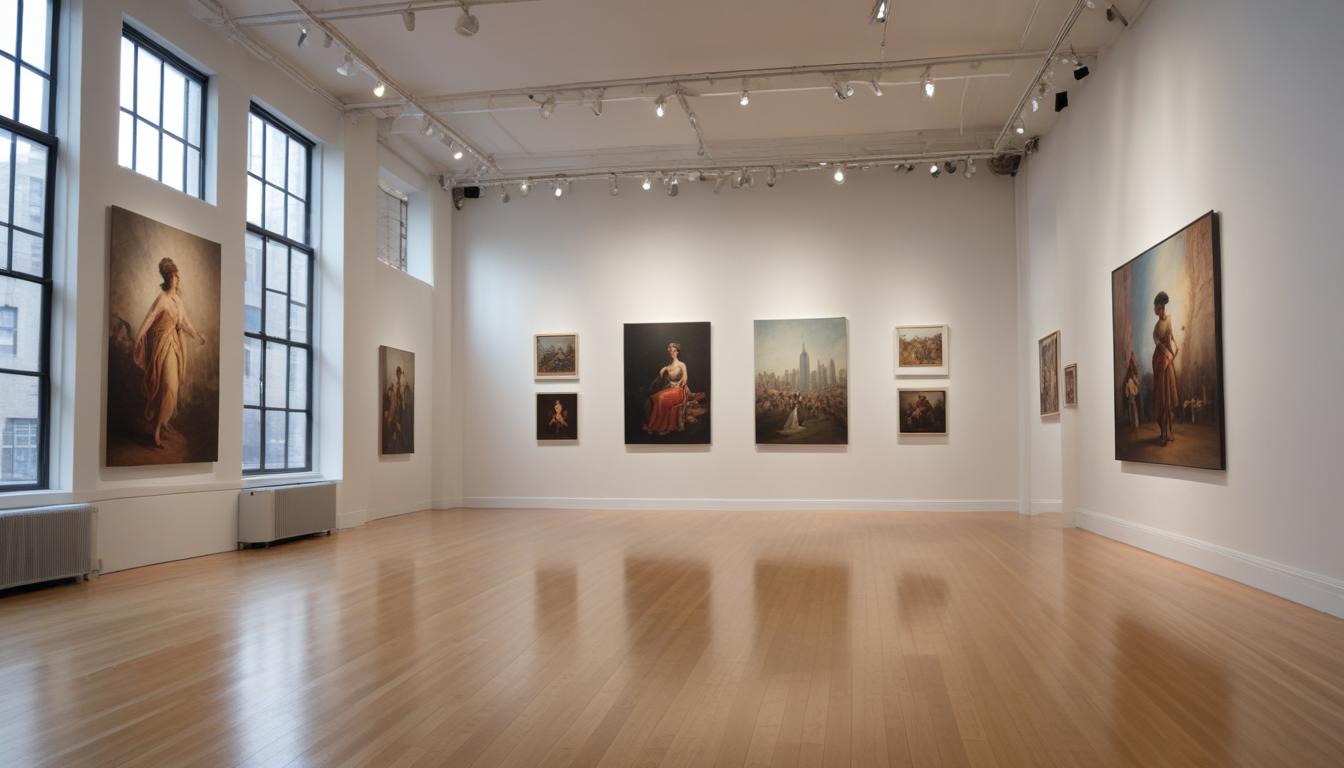
Walk down West 24th Street on a Friday evening and you'll witness a ritual that has defined New York for decades: the gallery opening. But the energy has shifted. Where Chelsea once monopolized the art world's attention with its warehouse-scale galleries and seven-figure price tags, the gravitational center of the city's creative identity has become radically decentralized.
The numbers tell the story. According to the Association of Art Museum Directors, New York now hosts over 800 galleries across five boroughs—up 40 percent since 2015. The Metropolitan Museum of Art and MoMA remain cultural anchors, but they're no longer the sole arbiters of taste. Instead, the city's museums and galleries have become a distributed network of creative authority, with institutions in Williamsburg, the Lower East Side, and Astoria increasingly driving conversations about contemporary art and cultural representation.
Consider the seismic shift in neighborhood demographics: the Hole in the Lower East Side, Karma in East Village, and the Hole's sister space in Chinatown have become as essential to the city's artistic conversation as anything in the established gallery districts. Meanwhile, institutions like the Bronx Museum of the Arts and the Queens Museum have evolved from second-tier venues into laboratories for experimental work that challenges the city's traditional power structures.
This fragmentation reflects something deeper about New York's evolving identity. The city is no longer primarily defined by the tastes of wealthy collectors on the Upper East Side or the commercial machinery of Chelsea dealers. Instead, it's increasingly shaped by artists, curators, and communities working at the margins—in converted warehouses, artist-run spaces, and publicly-funded institutions that serve neighborhoods where rent hasn't yet tripled.
The economic stakes are real. Average gallery rent in Chelsea hovers around $25 per square foot annually. Meanwhile, galleries in neighborhoods like Astoria or even parts of Sunset Park operate at a fraction of that cost, allowing for riskier, more experimental programming. These spaces attract younger collectors and a more diverse audience than the traditional gallery circuit.
What emerges is a New York that defines itself not through centralized institutions but through a democratic multiplicity of creative voices. The city's cultural identity in 2026 isn't about what hangs in the Met or what sells at Gagosian. It's about the ecosystem—the hundreds of small galleries, artist collectives, and museum departments working across five boroughs to ask urgent questions about identity, displacement, and power. That distributed model, more than any single masterpiece, now captures what it means to be culturally vital in contemporary New York.
This article was compiled by AI from the sources linked above and screened before publishing. See our editorial standards.