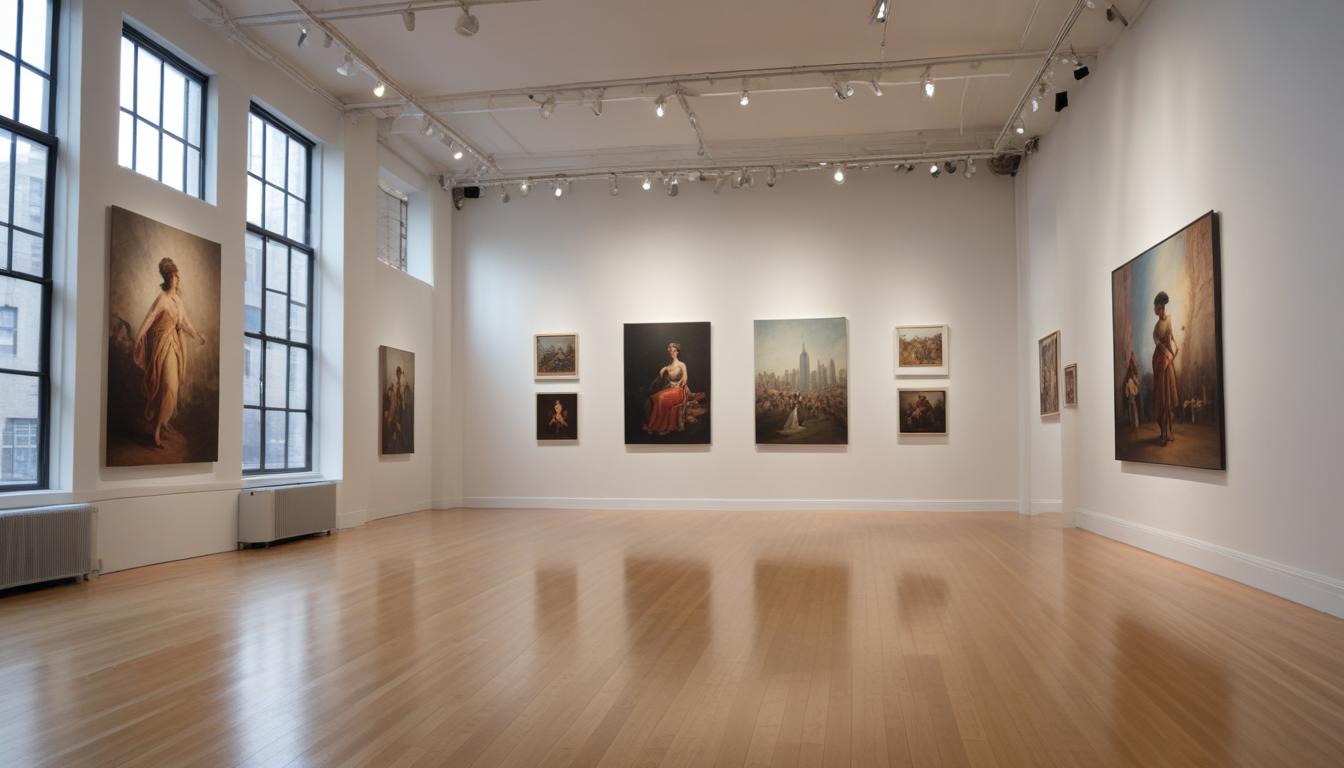
Walk into the Tenement Museum on Orchard Street, and you'll notice something shifting. The exhibition roster increasingly features work by historians under 35 who grew up in the very neighborhoods their institutions once treated as subjects to be studied rather than communities to be centered. This emerging wave isn't just documenting New York's heritage—they're fundamentally reframing whose stories get told, and how.
This year marks a turning point. The Lower East Side's Asian American Arts Initiative, founded in 2019, now operates with a $2.8 million annual budget and a curatorial team entirely composed of artists who spent their childhoods navigating the same fire escapes and bodega corners their work examines. Meanwhile, the Bronx Museum of the Arts continues its expansion in Melrose, with nearly 60 percent of its 2026 programming developed by local emerging voices who lived through the borough's documented decline and rebirth.
The shift extends beyond traditional institutions. Young independent historians are leveraging digital platforms to democratize access to New York's layered past. A collective working out of a shared studio in Ridgewood, Queens—where monthly studio rents hover around $400 per person—has documented oral histories from over 400 longtime residents about the neighborhood's transition from industrial hub to creative hotspot. Their work has been viewed 1.2 million times on social media platforms in eighteen months.
What distinguishes this generation from their predecessors is their refusal of nostalgia. Where earlier heritage narratives often privileged immigrant arrival stories or architectural grandeur, these emerging voices interrogate displacement, gentrification, and cultural erasure with unflinching specificity. A recent exhibition at the Jamaica Center for Arts and Learning focused entirely on the economic mechanics of neighborhood change—no sentimentality, just spreadsheets transformed into visual art.
The economic challenges are real. Many of these emerging curators, archivists, and artists cobble together freelance work, part-time museum positions, and grant funding to sustain their practice. A survey by the Nonprofit Coordinating Committee found that 73 percent of emerging cultural workers in New York earn under $45,000 annually. Yet they persist, driven by a conviction that heritage work must serve the present-day communities it documents.
As New York approaches its 375th anniversary in 2029, these younger voices will likely dominate the conversation. They're not interested in the city as myth or monument. They're interested in New York as an ongoing negotiation between memory and survival—a narrative that feels urgent, contemporary, and decidedly their own.
This article was compiled by AI from the sources linked above and screened before publishing. See our editorial standards.