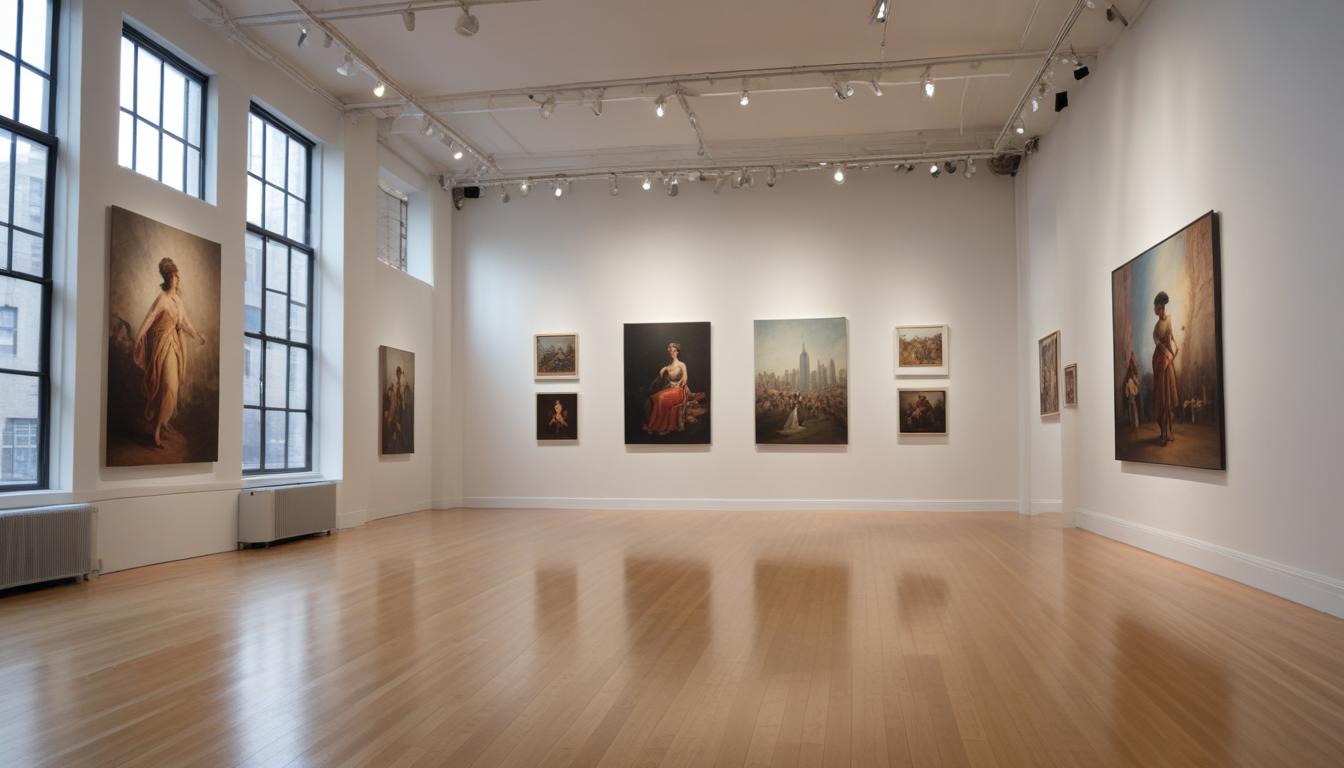
Navigate New York's Gallery World: Essential Tips and Can't-Miss Exhibitions This Summer
From Chelsea's sprawling warehouse spaces to the Upper East Side's titans of culture, here's what you need to know before hitting the city's art scene.
From Chelsea's sprawling warehouse spaces to the Upper East Side's titans of culture, here's what you need to know before hitting the city's art scene.
New York's gallery and museum ecosystem spans 200-plus blocks and hundreds of venues, but summer 2026 presents an unusually concentrated window of major exhibitions. Whether you're a first-time visitor or a seasoned collector, understanding the geography and logistics will dramatically improve your experience.
The Metropolitan Museum of Art remains non-negotiable, though advance ticketing is essential—general admission runs $29, but the museum operates on a pay-what-you-wish system for New York residents with ID. The sprawling Fifth Avenue campus is best tackled thematically: allocate three hours minimum for any single wing. Meanwhile, MoMA on West 53rd Street in Midtown continues its renovation phase, with rotating galleries limiting exhibition space, so check their website for current installations before visiting.
Chelsea, bounded roughly by 10th and 12th Avenues from 14th to 29th Street, remains the city's commercial gallery epicenter. More than 300 galleries cluster here, from blue-chip Gagosian and Hauser & Wirth to emerging spaces. Saturday mornings offer the least crowded experience; plan to walk methodically, as galleries frequently adjust hours. The Whitney Museum, perched at the High Line's southern terminus on Gansevoort Street, offers Manhattan views and an excellent permanent collection alongside rotating contemporary work.
The Upper East Side's so-called Museum Mile—comprising the Met, Guggenheim, American Museum of Natural History, and the Jewish Museum among others—can feel overwhelming. The Guggenheim's circular rotunda deserves an hour minimum; plan visits here for weekday afternoons to avoid weekend chaos. Admission is typically $25-30.
Downtown, the Lower East Side Gallery District around Orchard and Essex Streets offers smaller, artist-run spaces and nonprofit institutions with free or pay-what-you-wish models. Chinatown's emerging gallery corridor along Mulberry Street introduces younger visitors to contemporary Asian-American artists, with minimal foot traffic compared to Chelsea.
Practical wisdom: Most commercial galleries close Sundays and Mondays; many museums offer discounted or free evening hours on specific weekdays. The Subway Map's color-coding is your friend—the 6 train runs the full Museum Mile length. Budget $60-100 daily for admissions if hitting multiple paid institutions, though strategic free-admission hours significantly reduce costs.
Summer's humidity makes morning visits preferable. Wear comfortable shoes—gallery-hopping involves miles of walking. Finally, use Google Maps to pre-load gallery addresses; cell service in older Chelsea buildings remains spotty, and many galleries lack prominent street signage.
This article was compiled by AI from the sources linked above and screened before publishing. See our editorial standards.
How does this story make you feel?
Spread the word
About this article
Published by The Daily New York
Daily brief
Free, in your inbox before 7am. Weekdays.
More in culture