Heat, Silence, and the Story Behind the Scene: New York’s Fractured Fourth
While the marquee pyrotechnics remain grounded by record-breaking temperatures, the organizers of the city’s independent arts circuit are pivoting to survival mode.
While the marquee pyrotechnics remain grounded by record-breaking temperatures, the organizers of the city’s independent arts circuit are pivoting to survival mode.
New York City’s typical Independence Day thunder has been replaced by the hum of industrial-grade air conditioning units. For the first time in over a decade, the Macy’s Fireworks display was scrubbed from the East River schedule by 10:00 a.m. today, as temperatures hit a suffocating 98 degrees. Across the five boroughs, the city’s cultural calendar is undergoing a frantic, scorched-earth rewrite, forcing local festival directors to trade outdoor stages for darkened, climate-controlled interiors.
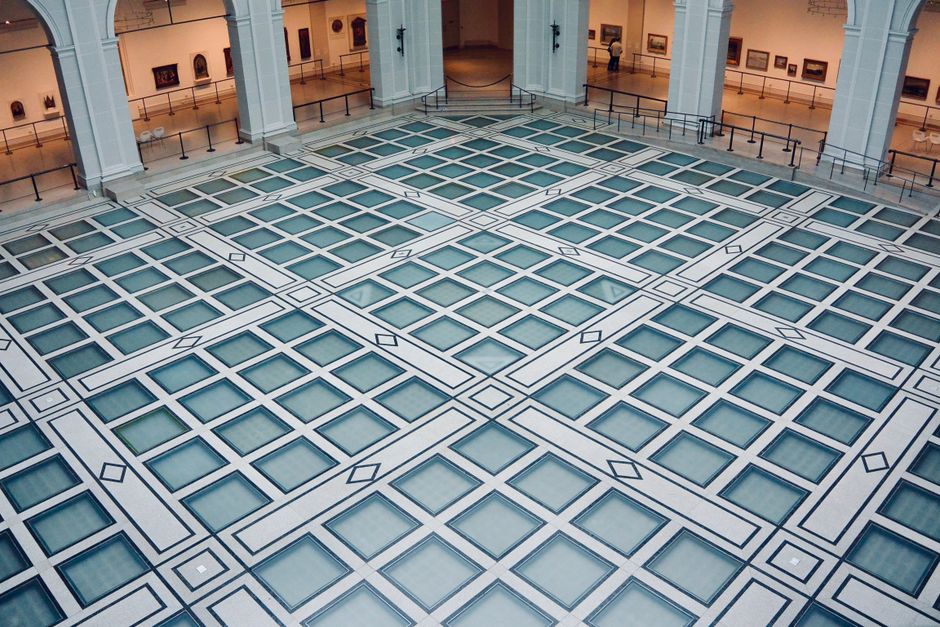
The decision to shutter events wasn’t just about crowd comfort; it was a matter of municipal liability. At the Prospect Park Bandshell, the Celebrate Brooklyn! production crew spent four hours this morning dismantling truss systems that had begun to buckle under the direct glare of the sun. The Metropolitan Museum of Art and the Museum of the City of New York are currently serving as unofficial heat refuges, reporting visitor spikes of nearly 40 percent above the usual holiday weekend averages. For the independent venue owners operating spaces like the Knitting Factory in Williamsburg or the Nuyorican Poets Cafe on the Lower East Side, the loss of outdoor foot traffic represents a significant blow to their Q3 projections.
Behind the scenes, the city’s Department of Cultural Affairs has been working overtime to coordinate emergency cooling station access with the Parks Department. By noon, the CityBench network was largely abandoned, with surface temperatures on iron seating reaching levels deemed unsafe by public health inspectors. The shift has sent a ripple effect through the local economy. Street vendors along 5th Avenue, who typically stock their carts for the high-volume crowds migrating toward the waterfront, reported losing an estimated $800 to $1,200 in expected perishables today alone due to the lack of pedestrian activity.
Despite the cancellations, the grassroots response has been surprisingly organized. The Lower East Side Business Improvement District partnered with three local community centers to host indoor, ticketed viewing parties that stream archived footage of historical fireworks displays. These events are charging a modest $15 entry fee, which includes hydration stations and air-conditioned seating. It’s a departure from the usual sprawling block parties that define this neighborhood on July 4, but it is a necessary pivot for organizers who invested months of labor into securing permits and talent that now have nowhere to perform.
The silence in places like Washington Square Park is jarring for a holiday that usually demands volume. However, the pivot to indoor programming might offer a blueprint for future years as New York faces increasingly volatile summer weather patterns. Residents looking to salvage their day should check the official NYC Emergency Management portal before heading out, as subways are currently operating on a restricted Sunday schedule. Most indoor cultural institutions are extending their hours until 10:00 p.m. to keep the city moving, albeit at a much slower, lower-temperature pace than anyone originally planned for this morning.
How does this story make you feel?
Spread the word
About this article
Published by The Daily New York
Daily brief
Free, in your inbox before 7am. Weekdays.
More in culture