New York's Commute Just Got Better: Here's What Changed and Why Locals Can't Stop Talking About It
From the L train's triumphant return to the proliferation of protected bike lanes, getting around the city has never felt smoother—or safer.
From the L train's triumphant return to the proliferation of protected bike lanes, getting around the city has never felt smoother—or safer.
If you've noticed your morning commute feeling less like a fever dream and more like an actual journey, you're not imagining it. New York's transportation infrastructure has undergone a quiet revolution over the past eighteen months, and the city's eight million residents are finally exhaling.
The headline victory: the L train's completion of its East Side Access project last fall has genuinely redistributed pressure across the system. The restored service between Brooklyn and Manhattan no longer feels like commuting through a sardine tin at rush hour. "It's changed everything for people in Williamsburg and Bushwick," says one regular who now arrives at her Midtown office without feeling like she's been through a boxing match. The MTA has also rolled out real-time crowding data on its app—a feature that would have seemed futuristic just two years ago.
But the biggest love affair New Yorkers have developed? Protected bike lanes. The Department of Transportation's expansion of the network has been staggering. Broadway now boasts continuous protected cycling all the way from Herald Square to Washington Heights. The Battery Park Greenway loop has been extended, creating an eight-mile waterfront corridor that transforms commuting into something approaching pleasure. Citi Bike ridership is up 23 percent year-over-year, and for good reason: it's genuinely safer than it was.
The subway itself is breathing easier too. The recent station redesign at 42nd Street-Port Authority has created actual wayfinding that makes sense—no small feat. And the rollout of contactless payment across every turnstile (finally) means fewer bottlenecks and faster entry. A single ride still costs $2.90, but the friction has evaporated.
Perhaps most surprisingly, the citi-wide implementation of dedicated bus lanes has actually moved the needle. The M15 Select Bus Service down First and Second Avenues now completes its route seven minutes faster on average. For commuters choosing not to drive—increasingly the norm, with parking now averaging $450 monthly in Midtown—this matters tremendously.
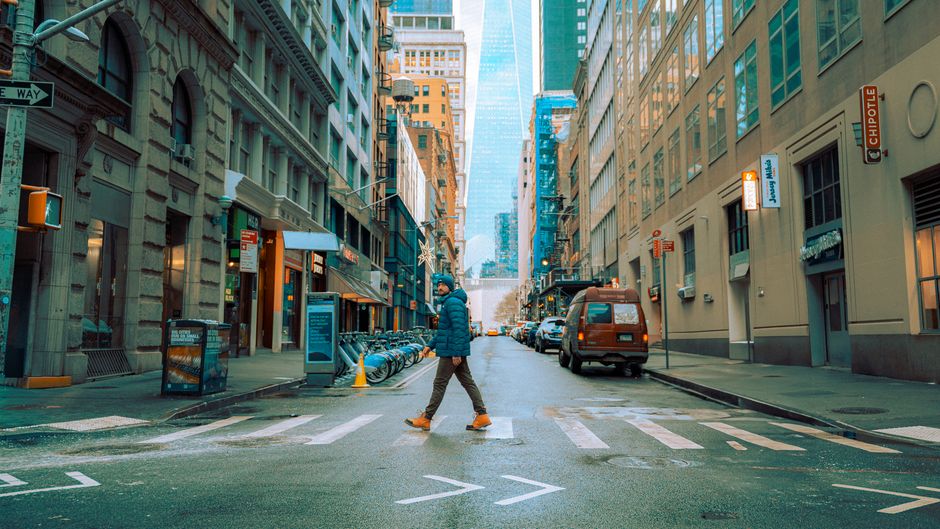
Even the pedestrian experience has improved. The expansion of pedestrian plazas throughout the five boroughs means the city feels less like an obstacle course and more like a place to actually breathe. Times Square, Herald Square, and the newly expanded plaza at Union Square all provide respite.
None of this is to say the New York commute is easy. But for the first time in a decade, it feels like the city is genuinely trying to make moving around here enjoyable rather than merely survivable. And locals are noticing.
This article was compiled by AI from the sources linked above and screened before publishing. See our editorial standards.
How does this story make you feel?
Spread the word
About this article
Published by The Daily New York
Daily brief
Free, in your inbox before 7am. Weekdays.
More in lifestyle