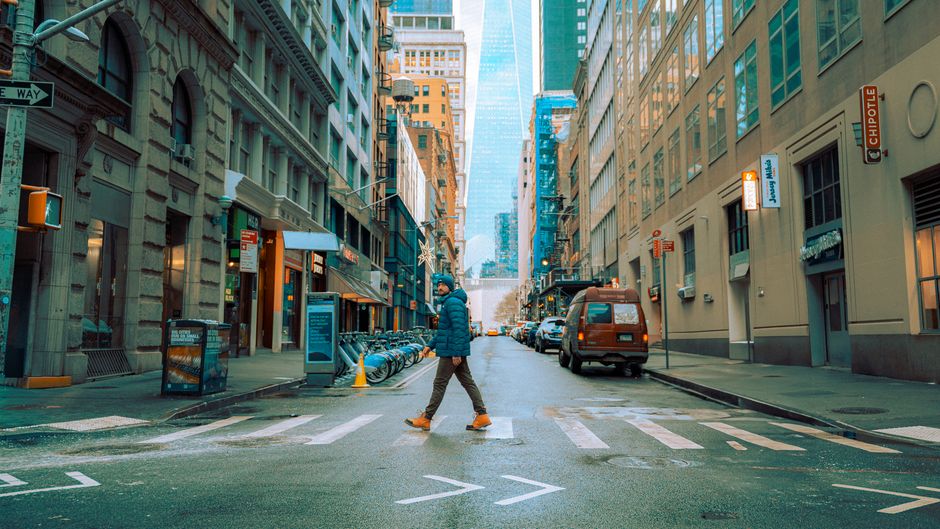
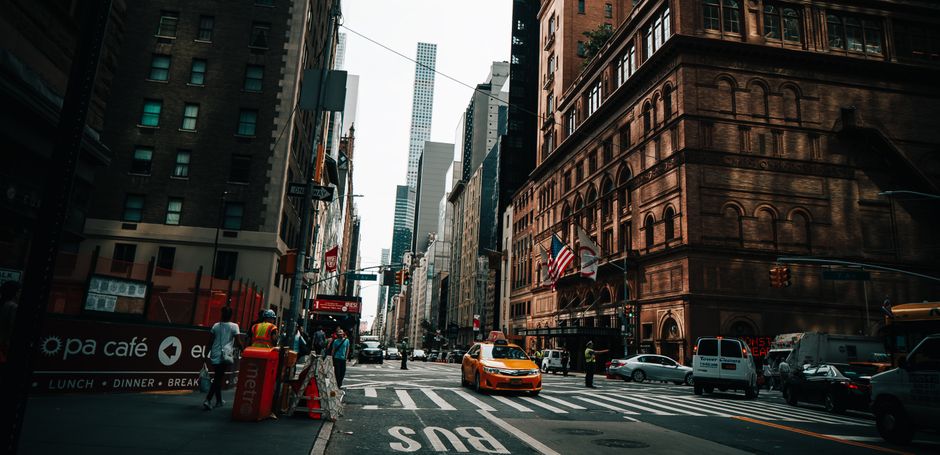
Walk down West 39th Street on a Saturday morning, and you'll notice something has shifted in the Garment District. Where sample sales once catered exclusively to industry insiders and bulk fabric buyers, independent boutiques now occupy street-level storefronts, their windows displaying everything from sustainable sneakers to vintage leather goods. The transformation is subtle but unmistakable—and it's reshaping how New Yorkers shop.
The district's evolution reflects a broader retail trend gaining momentum in 2026. Real estate data shows that commercial rents in the Garment District have dropped 12% since 2024, making it an increasingly attractive alternative to saturated neighborhoods like SoHo or the Lower East Side. Young entrepreneurs and established indie brands are capitalizing on this shift. Between 39th and 40th Streets, where textile warehouses once dominated, at least five new independent retailers have opened in the past eighteen months.
"We're seeing a genuine community of makers and sellers emerging here," explains a representative from the Fashion Center Business Improvement District, which has actively promoted the neighborhood's reinvention through monthly pop-up markets and street fairs. These events, held on the first Saturday of each month, now draw 3,000+ visitors seeking one-of-a-kind finds and direct-to-consumer pricing that undercuts traditional retail markups.
The shift appeals to a specific shopper: budget-conscious millennials and Gen Z consumers tired of mall culture and corporate retail. A June survey by a Manhattan retail consultancy found that 64% of New York shoppers aged 18-35 prefer neighborhoods offering "mixed retail experiences"—a combination of independent shops, vintage dealers, and food vendors. The Garment District checks those boxes, with vintage markets on 40th Street now operating year-round, and a new food hall opening next month near Ninth Avenue.
Established retailers are noticing. In May, a well-known sustainable fashion brand signed a lease for a flagship location on 38th Street, its first standalone New York store outside Manhattan's premium zones. Local business owners see this as validation that the district is moving upmarket without losing its character.
Of course, the transformation brings tensions. Some longtime wholesale dealers worry about rising costs and changing tenant profiles. Yet most acknowledge the inevitability—and potential upside—of evolution. The Garment District's wholesale identity built New York's fashion world; its retail reinvention may well define the city's next chapter of consumer culture.
This article was compiled by AI from the sources linked above and screened before publishing. See our editorial standards.