Walk into a vintage shop on Orchard Street on a Saturday morning, and you'll witness something that separates New York's shopping culture from every other major city: the sheer velocity of turnover. What's on the rack today may be gone by Thursday. This isn't accident—it's the result of being a city that attracts 60 million visitors annually and hosts a population constantly recalibrating what "essential" means.
Compare that to London's Portobello Road or Tokyo's Harajuku, and the difference becomes apparent. Those markets move at a respectful pace, curated for longevity. New York's markets move at the speed of ambition. The Bowery has transformed from a wholesale hub into a destination retail corridor in under a decade. Prices reflect this dynamism: a vintage leather jacket that might cost £180 in London can be found for $120 here, not because it's cheaper, but because the constant supply keeps prices competitive.
The real distinction, though, lies in accessibility and cross-cultural collision. Chelsea Market draws 6 million visitors yearly, not because it's the world's fanciest food hall—it isn't—but because it exists as a genuinely democratic space where a tourist from Des Moines buys Japanese miso paste next to a Williamsburg chef sourcing ingredients for dinner service. That hybrid vigor is uniquely American, and uniquely New York.
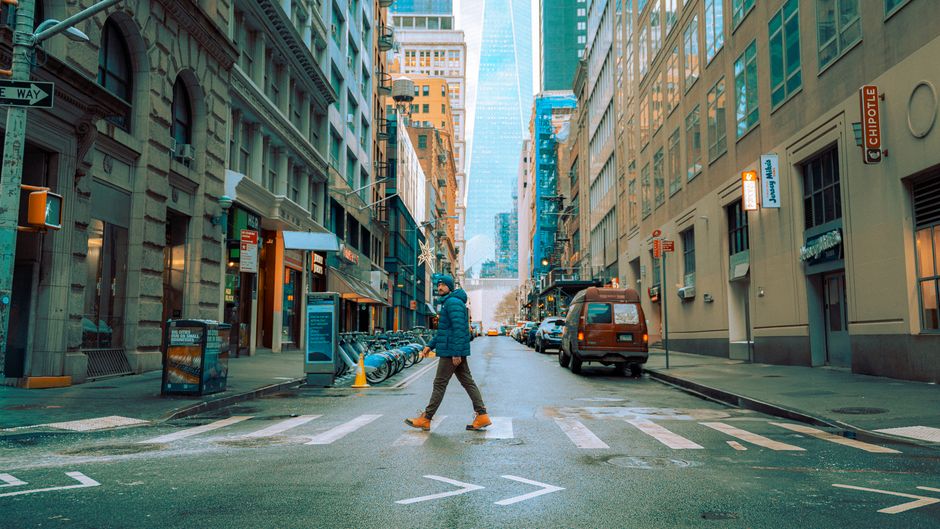
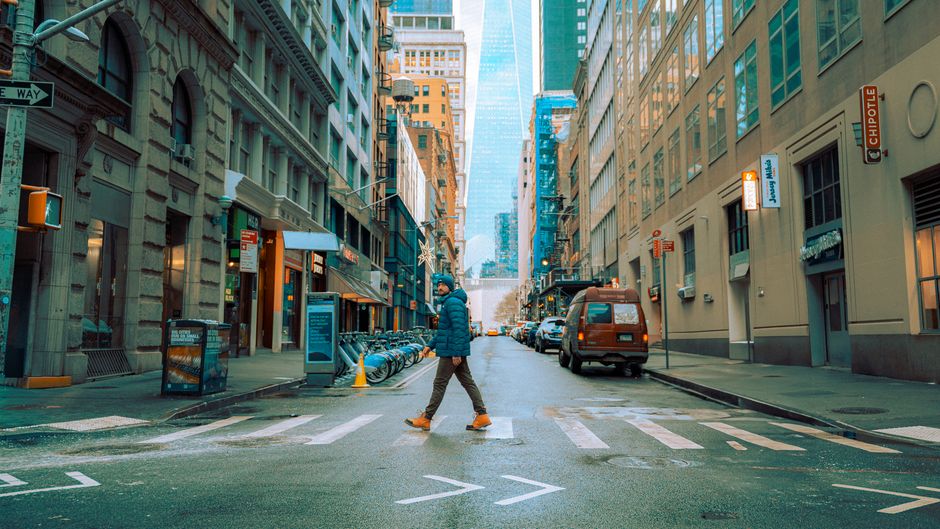
Consider the street-level experience. On a single block of the Lower East Side, you might find a 40-year-old family-run Jewish deli next to a pop-up Korean vintage collective next to a Dominican colmadón. This isn't curated multiculturalism—it's the natural result of centuries of immigration colliding with ruthless real estate economics. Paris has its marais; London has its vintage row. But neither has the raw, unfiltered density of competing commercial cultures that defines New York.
SoHo and Nolita represent another New York peculiarity: the high-end independent retailer. Where other cities concentrate luxury on singular premium streets, New York distributes it across neighborhoods, creating multiple universes of shopping that coexist without hierarchy. A $40,000 handbag and a $12 vintage tee share the same block—not as tension, but as evidence of the city's fundamental belief that good shopping transcends price point.
Even the informal markets tell the story. Flea markets like Hester Street Fair operate year-round, featuring rotating vendors that change weekly. That's not sustainable in most cities; it requires the specific alchemy of dense population, constant tourism, and an expectation of novelty that New York has essentially weaponized into an economic model.
The city's shopping culture isn't refined—it's restless. And that restlessness, ultimately, is what makes it global.
This article was compiled by AI from the sources linked above and screened before publishing. See our editorial standards.