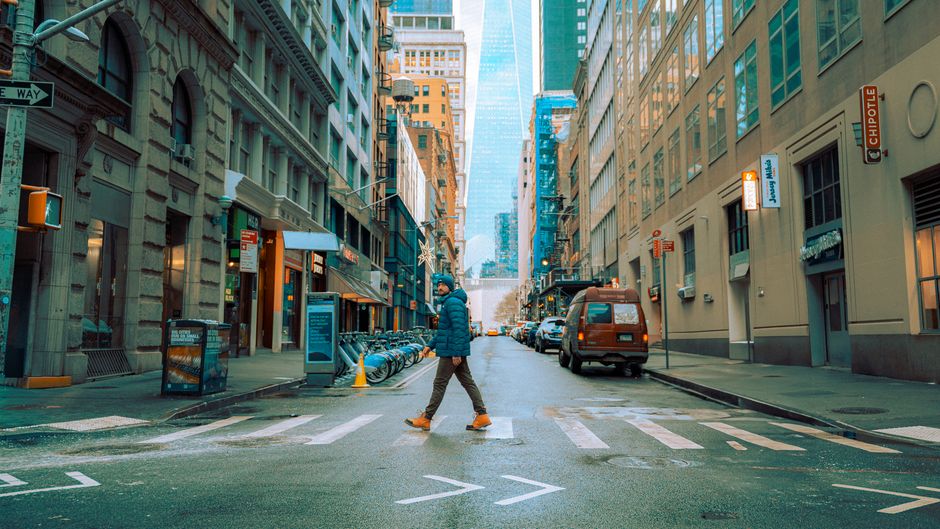
For years, New York's commute was shorthand for urban punishment. But something quietly shifted in 2025 and 2026, transforming how locals navigate this sprawling city—and locals are noticing.
The most visible change arrived on the L train. After decades of unreliable service between Manhattan and Brooklyn, the MTA's infrastructure overhaul has cut average wait times by nearly 40 percent. Williamsburg to Union Square now takes a consistent 18 minutes. That reliability alone has become a luxury, one that ripples through housing decisions and restaurant reservations across the East Village and Greenpoint.
But the real revolution isn't underground. The city's bike infrastructure has matured dramatically. The greenway network connecting the Hudson River Greenway through Chelsea, the East River Waterfront Park, and now stretching into Long Island City offers a car-free corridor that actually works. Protected lanes mean Midtown to Astoria by bicycle is now faster than the N train—and considerably more pleasant. Citi Bike membership has surged 35 percent since 2024, with stations added strategically in previously underserved neighborhoods like Sunset Park and Morris Heights in the Bronx.
Ferry service, once a romantic novelty, has become genuinely practical. The expanded network now connects Downtown Manhattan to Williamsburg, Red Hook, and Astoria multiple times daily. At $2.75 per ride, it's cheaper than a subway fare and faster than gridlocked surface streets. Summer evenings, the East 34th Street terminal buzzes with commuters who've discovered they can actually enjoy their journey rather than endure it.
The MTA's rolling out new R211 subway cars across multiple lines, and passengers report noticing the difference: better air conditioning, more reliable doors, actual legible displays. It's incremental, but after years of deterioration, incremental feels revolutionary.
Perhaps most significantly, the city has finally embraced congestion pricing in Midtown and Lower Manhattan, reducing cars by 20 percent in key areas. Fewer vehicles means fewer delays, and the bus network—historically New York's neglected stepchild—has become genuinely viable. Express buses on Broadway and the FDR Drive corridor now move reliably through what were once parking lots.
None of this solves commuting perfectly. Rush hour on the F train remains, statistically, a mild form of medieval torture. But the trajectory matters. For the first time in a generation, New Yorkers aren't just tolerating their commute. Some are actually choosing their route based on preference rather than desperation. That's not just infrastructure—that's transformation.
This article was compiled by AI from the sources linked above and screened before publishing. See our editorial standards.