Why New York's Commute Is Unlike Anywhere Else on Earth
From the subway's democratic chaos to street-level spontaneity, getting around Manhattan reveals what truly separates this city from London, Tokyo, and beyond.
From the subway's democratic chaos to street-level spontaneity, getting around Manhattan reveals what truly separates this city from London, Tokyo, and beyond.
There's a moment every New Yorker experiences: standing shoulder-to-shoulder on the L train at rush hour, surrounded by a surgeon, a musician, a startup founder, and a tourist, all equally miserable and equally committed to being somewhere else. It's a distinctly Manhattan experience—one you won't find on the pristine platforms of Tokyo's metro or London's orderly Underground.
New York's transportation ecosystem is chaos masquerading as infrastructure, and that's precisely what makes it singular. The MTA's 6.7 million daily riders navigate a system that's simultaneously a century old and frantically evolving. The Second Avenue Subway line, finally completed in 2017 after 92 years of false starts, became a symbol of the city's particular brand of ambitious dysfunction. Yet somehow, this byzantine network moves more people daily than any other transit system in North America.
What separates New York from its global peers isn't efficiency—it's democracy. A Paris commuter gliding through spotless trains might travel in comfort, but a New York straphanger encounters the full human spectrum. Street musicians perform between stations. Vendors hawk newspapers and MetroCards. Arguments, tears, joy, and exhaustion all share the same aluminum car. Other cities have moved their transit underground or elevated it into gleaming automated systems. New York refuses such cleanliness.
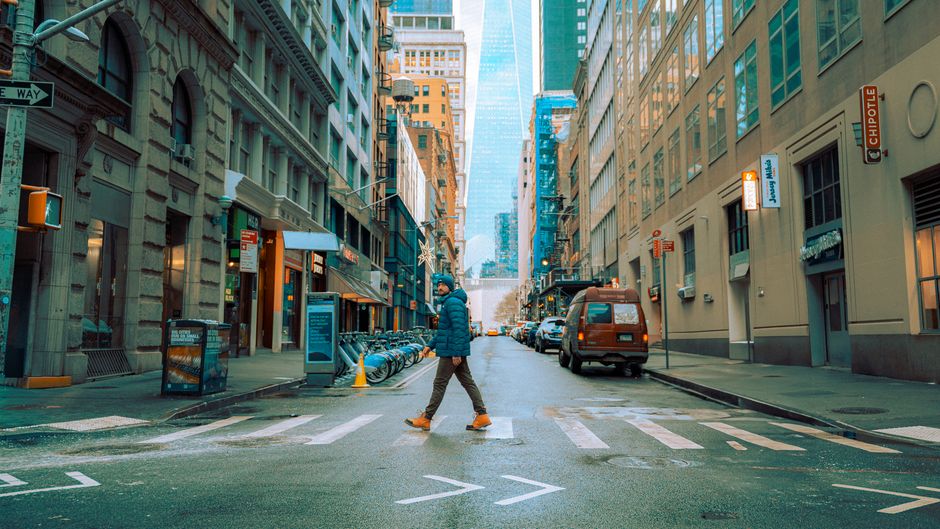
The street-level commute tells the same story. While Copenhagen cyclists dominate their infrastructure and Singapore's buses run with Swiss-watch precision, New Yorkers navigate a streetscape designed by competing eras and competing interests. A walk from the Financial District to Washington Square Park takes you through centuries of urban intentionality—cobblestone streets, bike lanes retrofit into Victorian blocks, food carts operating under tenuous permits, and pedestrians who will jaywalk with philosophical conviction.
The numbers reveal the attitude: roughly 56 percent of Manhattan residents don't own cars. This isn't environmental virtue; it's practical acceptance that the city's 220 miles of streets refuse to accommodate mass automobile living. Instead, New Yorkers walk—averaging 8,000 steps daily, according to fitness tracking data—or they sprint for the subway, where a monthly pass costs $127 and delivers neither reliability nor comfort, yet remains cheaper than most other major cities.
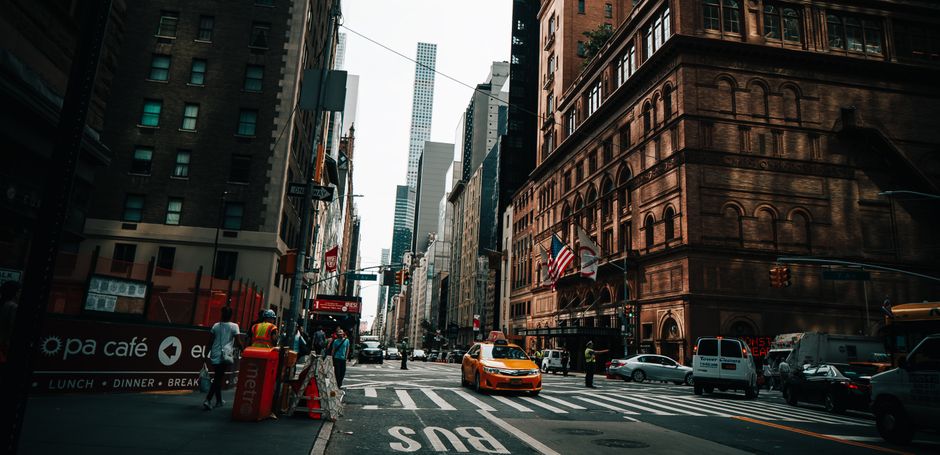
Ride-sharing disrupted cities globally, but in New York, yellow cabs still rule the streets, operating under regulations unchanged since the 1930s. The Medallion system creates artificial scarcity and generational wealth transfer that would astound regulators elsewhere. Yet these iconic vehicles remain how many New Yorkers define their relationship with the city.
New York's commute isn't optimized. It's alive. And that's the point.
This article was compiled by AI from the sources linked above and screened before publishing. See our editorial standards.
How does this story make you feel?
Spread the word
About this article
Published by The Daily New York
Daily brief
Free, in your inbox before 7am. Weekdays.
More in lifestyle