The Secret Lives of the Crosstown Bus: How Commuters Define New York's Neighbourhood Soul
From the M42 in Midtown to the Bx41 in the Bronx, the city's buses reveal the true character of the communities they serve.
From the M42 in Midtown to the Bx41 in the Bronx, the city's buses reveal the true character of the communities they serve.
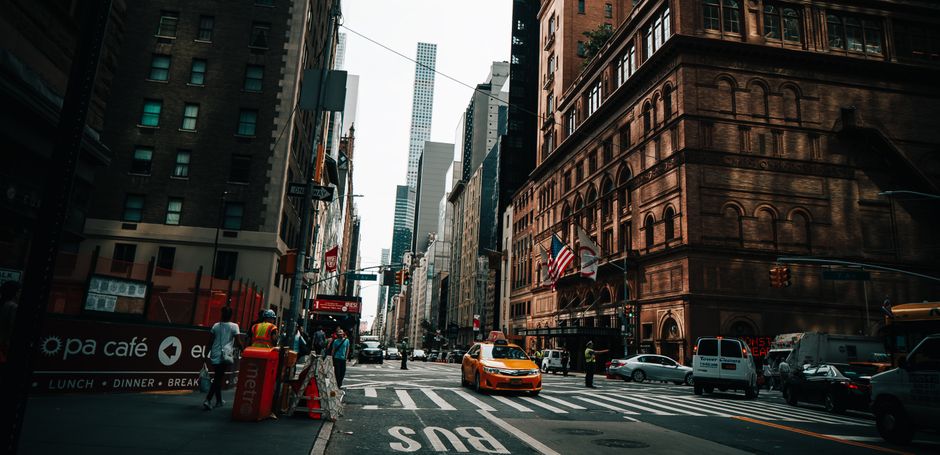
The M42 bus crawls east along 42nd Street at 7:47 a.m., packed shoulder-to-shoulder with the city's morning pulse. But step off at the Port Authority Bus Terminal and you're witnessing something deeper than transit logistics: you're watching neighbourhoods define themselves through movement, routine, and the relationships forged in tight quarters.
New York's 5,800 buses serve 2.1 million daily riders, according to the MTA, but their true value lies in how they stitch together the city's fractured identity. The M15 running down the Lower East Side carries elderly immigrants who remember when Orchard Street was entirely different, alongside young professionals gentrifying adjacent blocks. They share armrests and headspace, creating an unfiltered cross-section of neighbourhood transformation that no demographic study could capture.
"The bus is where the city actually talks to itself," says the conductor mentality that emerges during peak hours on the Bx41, which runs from Co-op City through the South Bronx to Manhattan. Here, the forty-minute journey becomes a mobile community hub. Regular passengers know each other's names, ask about grandchildren, share restaurant recommendations for spots along 3rd Avenue that outsiders never discover.
In Park Slope, the B61 functions as an informal social network. The route along Flatbush Avenue connects the Brooklyn Museum, Prospect Park, and Barclays Center—but more importantly, it connects the neighbourhood's multigenerational character. Retirees heading to the library trade notes with young parents heading to the park. The bus becomes a living room on wheels.
The economics of commuting tell another story. A monthly MetroCard costs $33, making bus transit the great equaliser—accessible across economic strata in ways that car ownership simply isn't in a city where parking averages $340 monthly in outer boroughs. This accessibility means the bus driver on the M103 in East Harlem knows virtually everyone who boards regularly, creating accountability and familiarity that defines neighbourhood culture.
What's often missed in discussions of New York's transit crisis—chronic delays, service cuts, safety concerns—is that buses remain the primary way most New Yorkers experience their neighbourhoods beyond their own block. The Q train takes you underground; the M5 bus takes you through the streets where life actually happens. You see storefronts change, notice new restaurants opening on Amsterdam Avenue, watch seasonal shifts in how neighbourhoods dress themselves.
In 2026, as the city debates congestion pricing and transit investment, the real metric of success shouldn't be speed metrics alone. It should be whether the bus—that most democratic of vehicles—continues binding these fractured communities together.
This article was compiled by AI from the sources linked above and screened before publishing. See our editorial standards.
How does this story make you feel?
Spread the word
About this article
Published by The Daily New York
Daily brief
Free, in your inbox before 7am. Weekdays.
More in lifestyle