Your Complete Guide to NYC Transit Costs: What You'll Actually Pay to Get Around the City
From subway passes to bike shares, here's everything you need to budget before you board.
From subway passes to bike shares, here's everything you need to budget before you board.
New York's transportation network is famously complex—and navigating the costs can be just as challenging as deciphering the L train's weekend service changes. Whether you're a daily commuter or occasional visitor, understanding what you'll pay to move around the five boroughs is essential before you swipe your MetroCard.
The Metropolitan Transportation Authority's subway and bus system remains the backbone of city transit. A single ride costs $2.90, but frequent travelers should invest in a 7-day unlimited pass at $33, or a 30-day pass for $127. These passes cover all subway lines and local buses—making them significantly cheaper than paying per trip if you're commuting more than three times weekly. The MTA's website and kiosks throughout stations, including Grand Central Terminal and Times Square, sell passes directly.
For those exploring specific neighborhoods, consider your route carefully. A trip from the Upper West Side down to SoHo might take 30-40 minutes on the 1 train; the same journey via Citibike—the city's dockless bike-sharing system—costs $3.50 for a single 30-minute ride, or $203 annually for unlimited trips. Citi Bike has 45,000 bicycles across 4,000 stations, though availability varies between Manhattan, Brooklyn, and Queens.
Ride-sharing has transformed commuting options, though costs spike during peak hours. An Uber or Lyft from Brooklyn to Midtown Manhattan typically runs $18-35 depending on surge pricing; comparable subway trips cost $2.90. Late-night trips see significantly higher fares—expect 2-3x multipliers after midnight on weekends.
For longer distances, the Long Island Rail Road and Metro-North serve commuters reaching suburbs and upstate areas. LIRR fares from Jamaica Station to Penn Station cost $7.75 during peak hours; off-peak travel drops to $5.25. These costs add up substantially for daily commuters—roughly $200-300 monthly depending on distance.
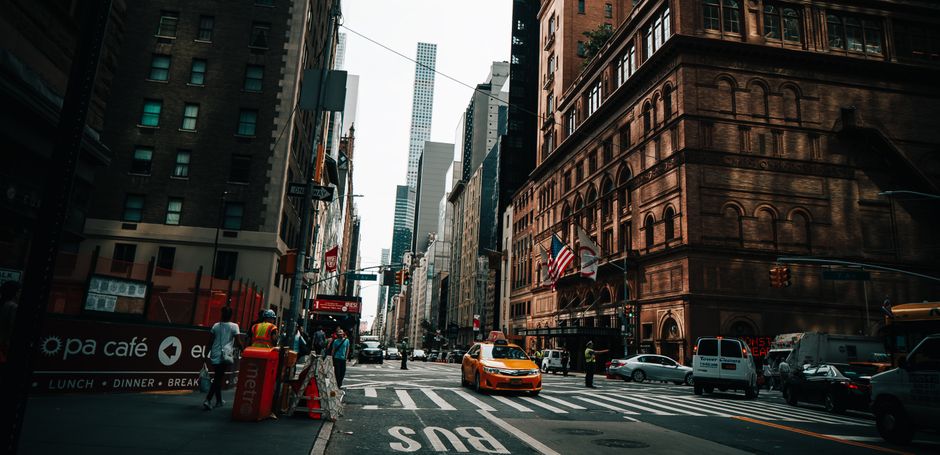
Taxis remain an option, with initial charges at $2.50 and per-mile rates of $2.50, plus tolls and tips. A similar Midtown-to-Brooklyn journey runs $25-35, making them comparable to premium ride-sharing during non-surge periods.
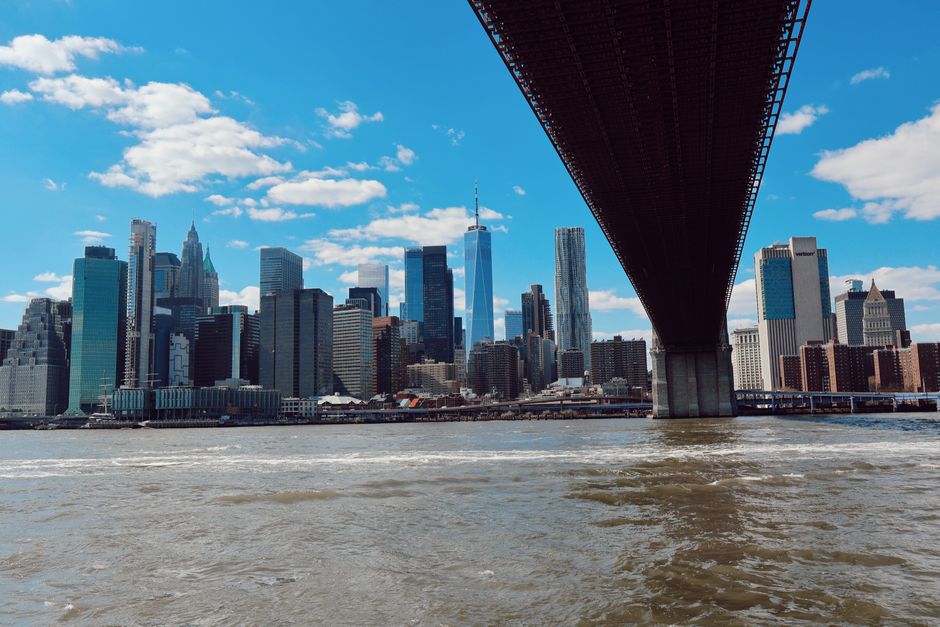
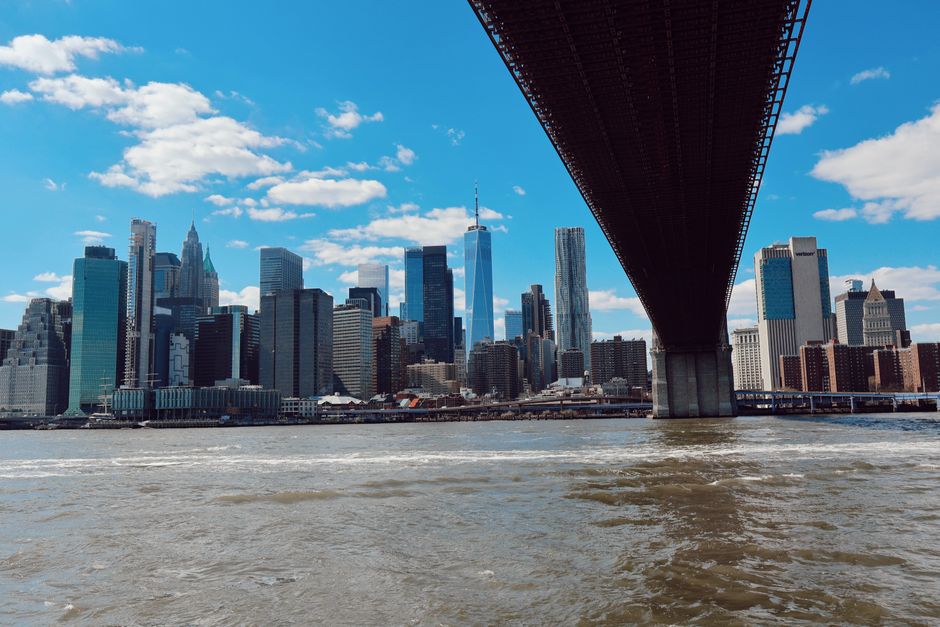
New York also offers alternative options: the newly expanded ferry system provides scenic routes along the Hudson and East rivers at $4.50 per ride, while various neighborhoods are increasingly connected by bus rapid transit lanes designed to speed commutes on major avenues like 14th Street and Broadway.
The key to budgeting your New York transit: calculate your weekly trips, compare pass options against per-ride costs, and factor in seasonal changes. The MTA's journey planner tool helps identify the most economical routes. Plan ahead, and you'll navigate the city's transportation landscape—and your wallet—with confidence.
This article was compiled by AI from the sources linked above and screened before publishing. See our editorial standards.
How does this story make you feel?
Spread the word
About this article
Published by The Daily New York
Daily brief
Free, in your inbox before 7am. Weekdays.
More in lifestyle