Why New York's Parks Outpace the World's Great Green Spaces
From democratic design to year-round accessibility, the city's outdoor ecosystems offer something London, Paris, and Tokyo simply cannot replicate.
From democratic design to year-round accessibility, the city's outdoor ecosystems offer something London, Paris, and Tokyo simply cannot replicate.
When visitors arrive at Central Park's Sheep Meadow on a June afternoon, they're witnessing something rare on the global stage: a 843-acre commons where a CEO on lunch break sits shoulder-to-shoulder with a nanny, a grad student, and a tourist. It's not accident. It's the defining feature of New York's green space philosophy—one that separates this city from the world's other great urban parks.
London's Hyde Park, elegant and expansive at 350 acres, maintains a certain formality. Paris's Luxembourg Gardens enforce rigid dress codes and gate closures. Tokyo's Ueno Park requires navigating complex seasonal restrictions. New York's parks, by contrast, operate on a radical principle: they belong equally to everyone, at all times, with minimal gatekeeping.
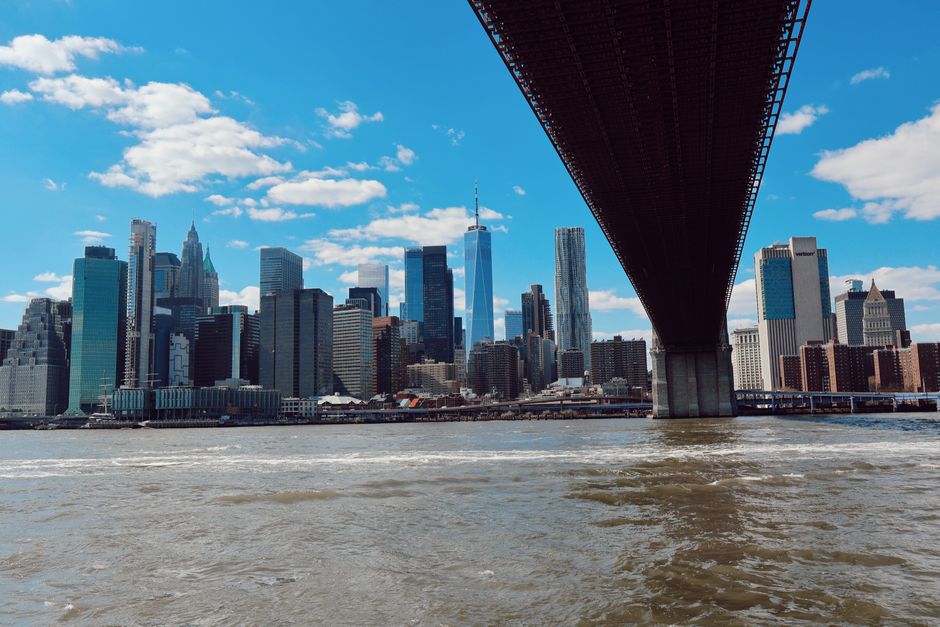
The numbers tell the story. The city maintains 6,800 acres of parkland across five boroughs, with 520 parks total. Central Park alone draws 42 million annual visits. But what truly distinguishes New York is distributed access. While many cities concentrate green space in a single flagship park, New York has created a network: the High Line's elevated gardens in Chelsea and the Meatpacking District; Domino Park's waterfront wilderness in Williamsburg; the newly restored Lot J in Red Hook; Sara D. Roosevelt Park snaking through the Lower East Side; Brooklyn Bridge Park offering Manhattan skyline vistas that rival anything in the world.
This decentralization matters. A Astoria resident doesn't need transportation to reach Astoria Park's Olympic-sized pool and waterfront. A Sunset Park family has access to the neighborhood's 29-acre namesake without crossing borough lines. Compare this to London, where reaching certain parks from outer neighborhoods requires significant transit investment, or Paris, where quality green space concentrates in the central arrondissements, leaving outer neighborhoods underserved.
Weather resilience is another differentiator. New York's parks operate year-round with purpose-built infrastructure. The Conservatory Garden in Central Park transforms seasonally; Riverside Park's pathways accommodate winter runners and summer swimmers with equal capability. Tokyo's parks close sections in winter; northern European parks face genuine seasonal shutdowns.
Perhaps most distinctively, New York treats parks as civic infrastructure rather than luxury amenities. A single-entry fee doesn't exist. The Parks Department's $850 million annual budget—the largest of any American city—funds maintenance rather than exclusionary programming. The Prospect Park Alliance and Central Park Conservancy partner with the city, but they enhance rather than restrict access.
As global cities grapple with climate change and density challenges, New York's model of abundant, accessible, distributed green space may offer the clearest template for livable urbanism anywhere on Earth.
This article was compiled by AI from the sources linked above and screened before publishing. See our editorial standards.
How does this story make you feel?
Spread the word
About this article
Published by The Daily New York
Daily brief
Free, in your inbox before 7am. Weekdays.
More in lifestyle