The Strangers Who Became Our City: The Unforgettable ...
On subway cars and crosswalks, in station hallways and ferry queues, New Yorkers encounter thousands of daily stories—and a few remarkable people who remind us why we stay.
On subway cars and crosswalks, in station hallways and ferry queues, New Yorkers encounter thousands of daily stories—and a few remarkable people who remind us why we stay.
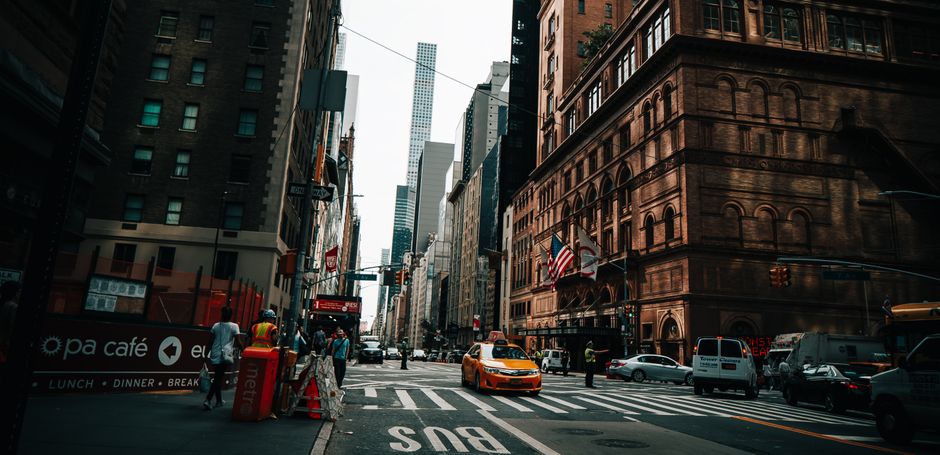
Every morning at 7:52 a.m., the N train pulls into the Union Square station, and Maria Gonzalez boards with her accordion. The Venezuelan-born musician, who has been busking the downtown corridor for fourteen years, plays a five-minute set before exiting at 14th Street. Commuters check their phones. Some ignore her. But regulars—and there are dozens—know her name, her repertoire, her story. She sends money home to family in Caracas while raising two kids in Washington Heights. The accordion is not decoration; it is survival.
This is the hidden architecture of New York's transport network: not the MTA's 472 subway stations or the 6,300 yellow cabs licensed across the five boroughs, but the humans who transform transit from mere logistics into something resembling community. In a city where the average commute runs 38 minutes each way, and four million people ride the subway daily, the faces we encounter become familiar anchors in an otherwise transactional landscape.
On the M15 bus down First Avenue, you'll find regulars who know the driver by name. In the Fulton Street station complex—that maze of tunnels serving the 2, 3, 4, 5, A, and C lines—there is an MTA worker named DeShawn who greets morning passengers with genuine warmth despite processing 150,000 commuters weekly. On the Roosevelt Island Tramway, suspended 250 feet above the East River, couples embrace, tourists gasp, and locals recognize the same faces from yesterday's 5:47 p.m. commute.
The economics of commuting have shifted since pandemic flexibility reshaped office culture. MetroCard usage dropped 12 percent between 2019 and 2024, yet the 2 and 5 lines still rank among America's busiest. Those who remain in the system—service workers, essential personnel, creative professionals choosing to ride—form a more intentional commuting class. They know which cars smell least like desperation. They've learned which platforms offer marginally better cell service. They've built micro-relationships with vendors, performers, and fellow travelers.
These are the faces that make New York's transport system genuinely alive. Not the emergency alerts or service changes, but the woman who reads a different novel each week on the J train from Brooklyn, the teenager who sketches portraits with surprising skill in the Herald Square station, the elderly man who always carries a newspaper from his home country. They are the reason commuting remains, despite everything, a distinctly human experience in an increasingly digital world.
This article was compiled by AI from the sources linked above and screened before publishing. See our editorial standards.
How does this story make you feel?
Spread the word
About this article
Published by The Daily New York
Daily brief
Free, in your inbox before 7am. Weekdays.
More in lifestyle