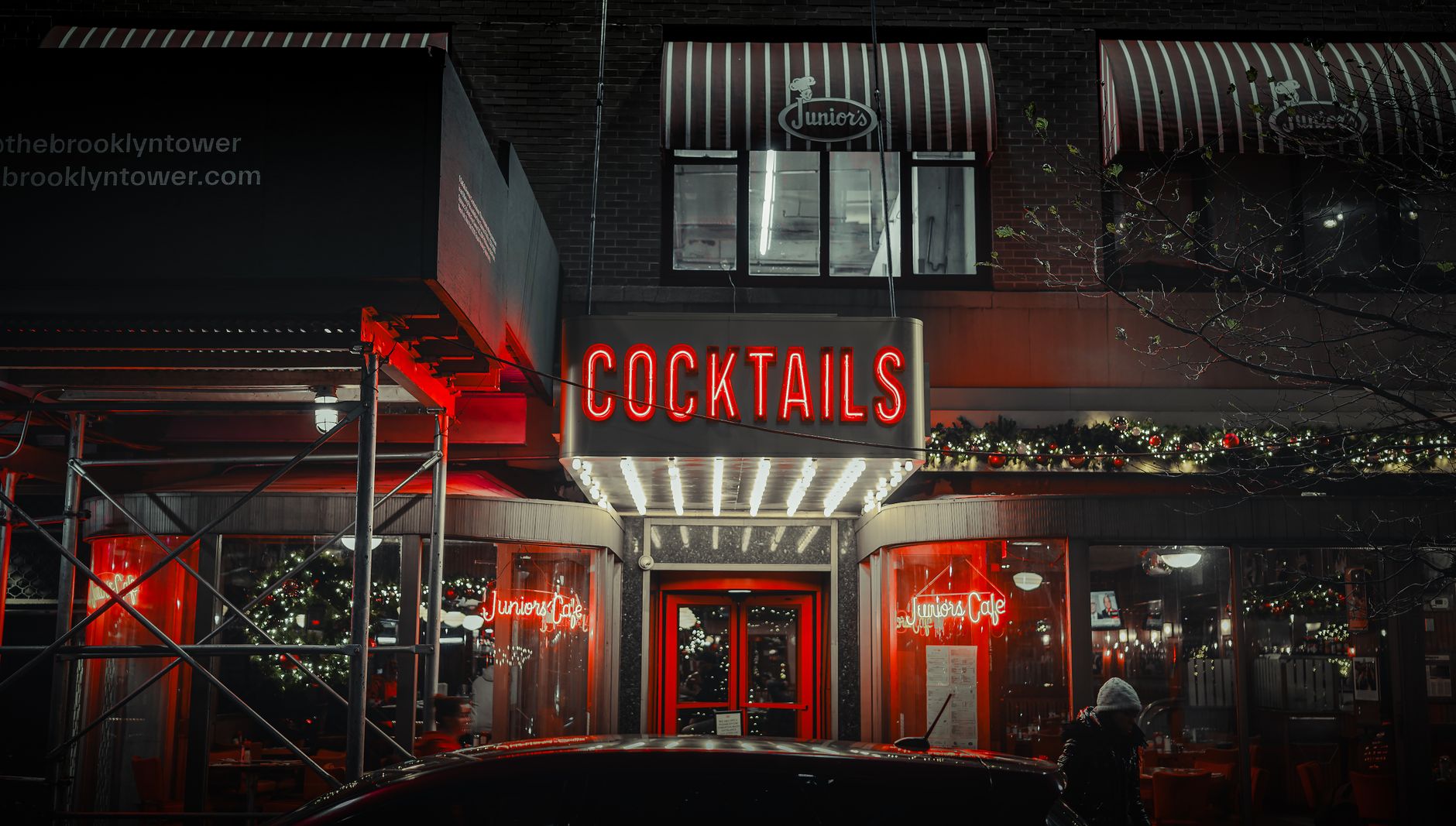
The bar has stopped being just a place to order a drink. Walk into Angel's Share on the second floor of a Japanese restaurant in the Flatiron District, or down into Please Don't Tell in Nolita, and you'll find something that looks more like a small museum than a standard cocktail lounge. These venues have become curated cultural spaces where the bartender functions as host, educator, and gatekeeper of a living tradition.
This shift reflects a broader transformation rippling through New York's drinking scene over the past eighteen months. Bartenders here are pushing back against the standardization that crept in during the pandemic recovery. They're reclaiming their bars as extensions of neighborhood character rather than mere revenue centers. The change accelerates partly because regulars—the customers who sit at the same spot twice a week—now expect more than competent service. They want storytelling, connection, and a sense that their money supports something with actual purpose.
At Attaboy in the East Village, which operates without a visible menu and has done so for over a decade, bartenders now host monthly themed tasting nights that sell out weeks in advance. The format remains unchanged—guests sit at the bar and order drinks by describing their mood or flavor preference—but the surrounding ritual has expanded. In July, the venue runs educational sessions about Jamaican rum production that pull in people from across the city who treat the experience as seriously as attending a lecture series.
Where Cocktails Meet Community Action
Some of the city's most respected bars have begun anchoring neighborhood organizing efforts. The Raines Law Room, which operates from what was once a speakeasy in Tribeca, started donating 15 percent of Thursday night proceeds to rotating nonprofits focused on housing justice and food security. That program, which launched in March 2025, now partners with organizations like Picture the Homeless and The Doe Fund. The model has spread uptown. Other establishments are mimicking the format, turning their Thursday nights into fundraisers rather than standard revenue days.
This represents a fundamental economic shift. A standard night in a quality New York bar generates anywhere from $800 to $2,500 in bartender tips alone, depending on the neighborhood and clientele. When a bar commits 15 percent of gross revenue to community work, that's money disappearing from individual pockets and getting redirected. Yet bartenders are participating voluntarily. Many say the trade-off—deeper community connection, a reason to show up beyond paychecks—feels like a better deal than the hustle that defined the industry for the past decade.
The Data Behind the Shift
Hospitality industry surveys conducted by the New York Bartenders Guild in spring 2026 showed that 62 percent of bartenders working at venues considered "destinations"—places people travel specifically to visit—reported higher job satisfaction than they did in 2023. The same survey found that 71 percent of respondents age 28 or younger cited "community engagement" as a primary reason for staying in the industry, up from 41 percent three years earlier. Younger bartenders are not chasing the high-volume, high-tip nights that dominated the previous generation's ambitions. They're building toward something else.
The economics are shifting too. Venues that operate as cultural destinations rather than volume bars are charging premium prices. A craft cocktail at Please Don't Tell averages $18 to $22, prices that would have seemed punitive five years ago. Yet the bars maintain waiting lists. The model only works if patrons feel they're paying for access to expertise and environment, not just alcohol.
If you're looking to experience these spaces, start with the neighborhoods driving the change: the East Village, Nolita, Tribeca, and neighborhoods around Park Slope in Brooklyn. Make reservations where possible—many top venues now require them. Go on nights when the bar has announced a specific focus or program. Treat the bartender as a collaborator in your evening, not a service provider. The bars that are succeeding in this new model reward that approach with genuine hospitality. The ones that don't? They're already struggling to compete.