How New York's Emergency Response System Became Stretched to Breaking Point
Decades of budget constraints, staffing shortages, and evolving urban challenges have left first responders navigating a crisis that didn't happen overnight.
Decades of budget constraints, staffing shortages, and evolving urban challenges have left first responders navigating a crisis that didn't happen overnight.
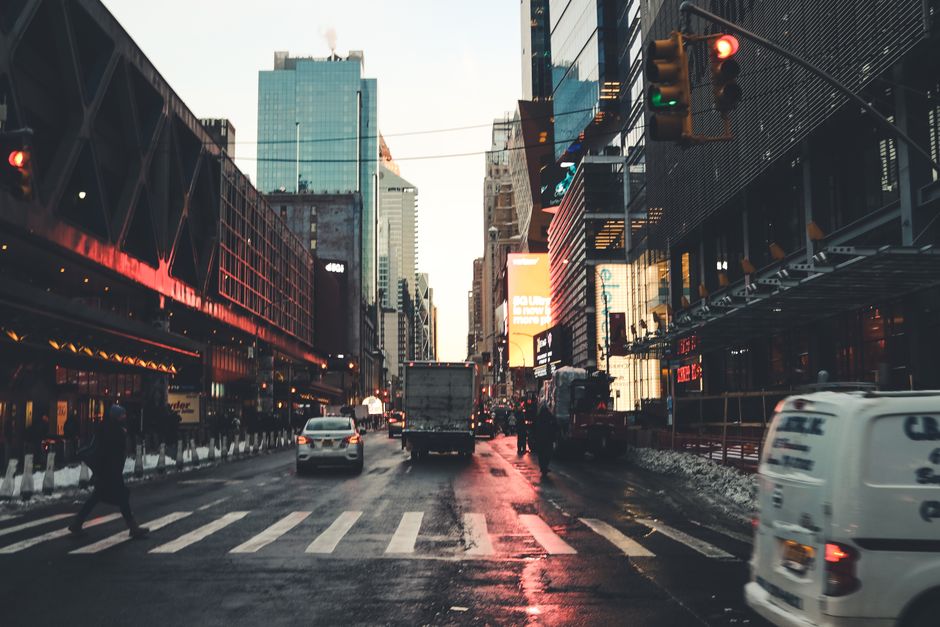
When the FDNY responded to over 2.2 million calls last year—a figure nearly double what the department handled in the 1990s—it marked the culmination of a system under siege. Understanding how New York's emergency services reached this critical juncture requires looking back at the policy decisions, fiscal pressures, and demographic shifts that have reshaped public safety over the past three decades.
The trajectory began in earnest during the 2008 financial crisis, when city budgets contracted sharply. The FDNY, which operates roughly 218 firehouses across the five boroughs, saw proposed cuts that threatened to shutter stations in outer-borough neighborhoods like East Flatbush, Sunset Park, and Astoria. While some facilities were spared through public outcry, the damage to recruiting and training pipelines proved lasting. Staffing levels never fully recovered, even as call volume—driven by an aging population, rising opioid emergencies, and increased mental health crises—climbed steadily.
The opioid epidemic alone reshaped emergency response. In 2015, the city recorded roughly 200 overdose deaths. By 2024, that figure had surged to nearly 3,000 annually, with the Bronx and Upper Manhattan becoming particular hotspots. Every overdose call requires FDNY paramedics and often NYPD, tying up resources for hours.
Simultaneously, the NYPD's workforce contracted. The department employed approximately 36,000 uniformed officers in 2020; that number dipped below 32,000 by late 2024 amid retirements, attrition, and recruitment challenges. Response times in precincts from the South Bronx to central Brooklyn lengthened noticeably, pushing average response times for non-life-threatening calls beyond an hour in some neighborhoods.
Infrastructure decay compounded these challenges. Many firehouses in areas like Red Hook, Mott Haven, and Jamaica Queens operate from facilities built in the 1970s, with aging equipment and cramped quarters that strain morale. Meanwhile, calls for expanded mental health response and community-based alternatives pulled resources sideways without corresponding increases to baseline budgets.
The pandemic accelerated burnout. Emergency personnel worked extended shifts managing both traditional emergencies and COVID-related surges, with little relief afterward. Pension reforms and wage stagnation relative to private-sector alternatives have made recruitment increasingly difficult.
Today, emergency services operate in a city of 8.3 million where the demand for rapid response has never been higher, yet the institutional capacity to meet it has never been more constrained. The crisis isn't new. It's the product of compounding neglect—and understanding that context is essential to any serious discussion about solutions.
This article was compiled by AI from the sources linked above and screened before publishing. See our editorial standards.
How does this story make you feel?
Spread the word
About this article
Published by The Daily New York
Daily brief
Free, in your inbox before 7am. Weekdays.
More in News