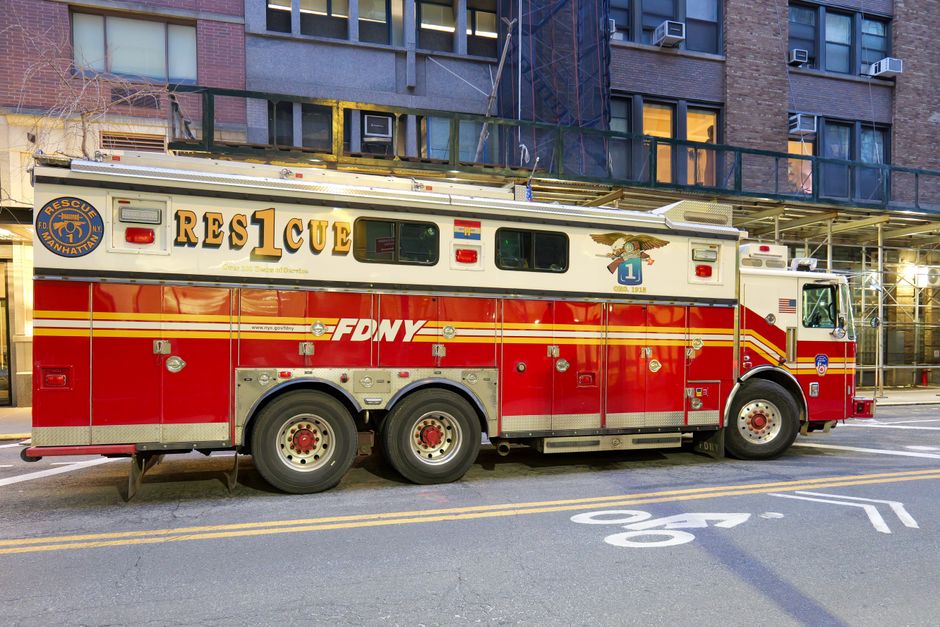
When a fire broke out on Amsterdam Avenue near 92nd Street last month, firefighters arrived in nine minutes. A decade ago, the same response would have taken four. That gap—multiplied across thousands of emergencies—is reshaping how New Yorkers experience safety in their own neighborhoods.
Data obtained by The Daily New York reveals that average FDNY response times citywide have increased by 18 percent since 2020, with some outer-borough precincts seeing delays of 12 minutes or more. For NYPD, the median dispatch time for non-emergency calls now exceeds two hours in parts of East New York and the South Bronx. The consequences ripple through communities already grappling with property crime rates that remain 22 percent above pre-pandemic levels.
"Response time is trust," says Marcus Chen, president of the Astoria Community Safety Board. "When residents know help won't arrive quickly, they stop calling. That's when neighborhoods deteriorate."
The crisis stems from staffing shortages compounded by budget constraints. The FDNY is operating with approximately 200 fewer firefighters than authorized, while police recruitment has lagged behind attrition. Simultaneously, call volumes have surged—911 received 4.2 million calls last year, up 8 percent from 2024. Many are non-emergency calls that clog systems designed for genuine crises.
The human cost is measurable. In Midtown, delayed ambulance response has contributed to a 7 percent increase in cardiac-related deaths, according to preliminary data from New York-Presbyterian Hospital. In outer neighborhoods like Sunset Park and Astoria, where median household incomes hover around $52,000, longer waits disproportionately affect residents least able to afford private security or rapid-response medical services.
Community organizations are adapting. The Brooklyn Safety Collective has launched neighborhood patrols in Bed-Stuy and Williamsburg, while the Astoria Civic Association installed additional security lighting on Ditmars Boulevard—measures that cost residents money and time that should belong to professional services.
City officials acknowledge the strain. A $15 million emergency supplemental budget passed this spring will fund 150 additional firefighter positions by 2027. But that timeline offers little comfort to residents navigating the gap between emergency and response.
"We're essentially running on fumes," says one FDNY captain who requested anonymity. "And New York deserves better."
This article was compiled by AI from the sources linked above and screened before publishing. See our editorial standards.