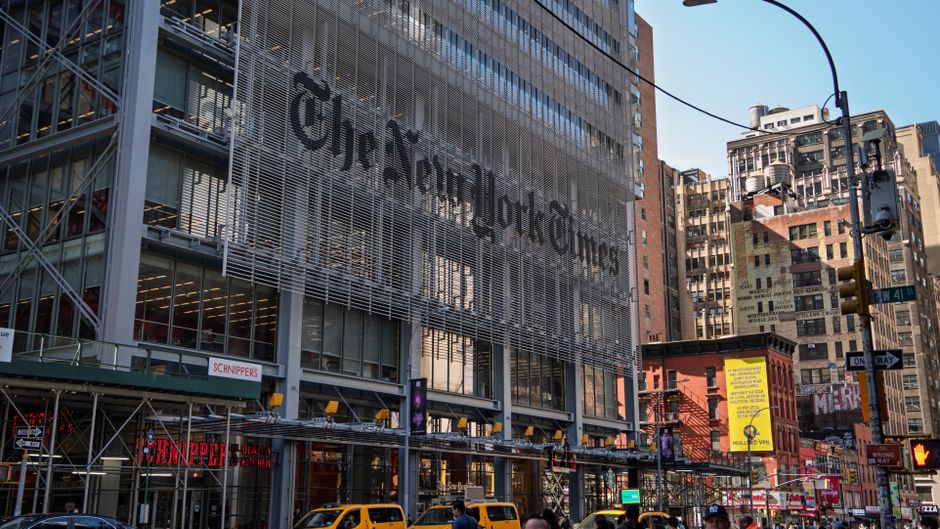
New York City's cost-of-living crisis has reached a defining moment in 2026, but the way municipal and private leaders are responding offers a starkly different playbook than peer cities wrestling with similar pressures. While London, Toronto, and Sydney grapple with housing shortages and wage stagnation, New York has begun implementing targeted interventions that may offer lessons—or warnings—for the world's other expensive metros.
The numbers paint a stark picture. A one-bedroom apartment in Manhattan's prime neighborhoods now averages $3,580 monthly, roughly 15 percent higher than equivalent London properties in Zones 1-2. Yet unlike London's emphasis on green-belt expansion, New York has aggressively pursued zoning reform in outer boroughs. Projects in Astoria, Queens, and Sunset Park, Brooklyn have unlocked thousands of new units, a strategy Toronto tried half-heartedly and Sydney abandoned after political pushback. The city's 2024 zoning overhaul permitting mixed-use development on commercial corridors along Broadway and Jamaica Avenue represents one of North America's boldest density plays.
Where New York diverges most sharply is on transit-oriented affordability. The MTA's integration with rent stabilization policies in neighborhoods within a half-mile of subway stations has created a buffer that neither London's TfL nor Sydney's transport authority coordinates with housing policy. A rent-stabilized one-bedroom in Washington Heights runs $1,800—half the Manhattan average—yet remains walkable to the A-train and Harlem cultural institutions.
Wage pressures tell a different story. New York's minimum wage of $15 per hour, set in 2019, lags Toronto's equivalent of $16.55 CAD ($12 USD), making service workers here proportionally worse off despite New York's global financial dominance. Organizers point to this gap when comparing quality of life across cities.
What sets New York apart is its embrace of remote work provisions in affordability policy. The city has subsidized high-speed internet in public housing and partnered with nonprofits like the Housing Preservation Development to enable work-from-home arrangements that let residents migrate to cheaper neighborhoods in the outer boroughs—a flexibility Sydney's sprawling geography limits and Toronto's commuter culture makes impractical.
Yet skeptics argue New York's fixes are Band-Aids on deeper wounds. The city's restaurant industry reports hiring challenges as servers and kitchen staff increasingly commute from New Jersey and Long Island, eroding the spontaneous neighborhood culture that once defined Manhattan. London has seen similar hollowing, though Paris's price controls have prevented it entirely—a contrast that raises uncomfortable questions about whether New York's market-oriented approach is sustainable.
As summer crowds return to Central Park and Times Square, locals grapple with a city that remains world-class but increasingly out of reach. New York's comparative advantage lies not in being cheaper, but in building smarter.
This article was compiled by AI from the sources linked above and screened before publishing. See our editorial standards.