How New York's Housing Crisis Stacks Up Against London, Toronto, and Sydney
As rents in Manhattan hit record highs, three global cities offer lessons—and warnings—about what happens when housing becomes unaffordable.
As rents in Manhattan hit record highs, three global cities offer lessons—and warnings—about what happens when housing becomes unaffordable.
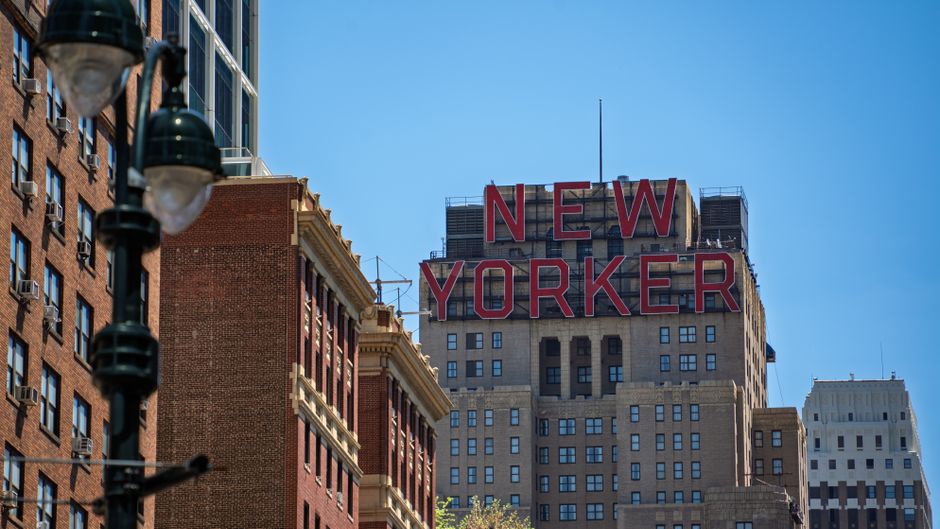
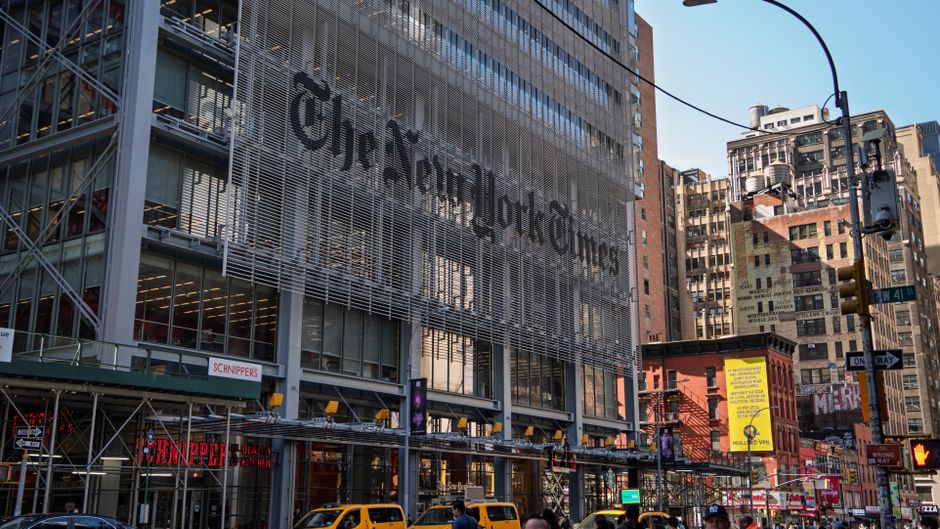
When a one-bedroom apartment in Midtown Manhattan now averages $3,850 monthly, New Yorkers aren't alone in their frustration. From London's gentrifying neighborhoods to Toronto's condo boom gone sideways, cities worldwide are grappling with housing affordability in ways that feel increasingly similar—yet distinctly local.
New York's approach has been characteristically aggressive. The city has fast-tracked thousands of affordable units through programs like the Housing Lottery, which drew 1.2 million applications for just 3,000 units last year. Meanwhile, the Department of Housing Preservation and Development continues its push to convert underused commercial spaces in Midtown and Lower Manhattan into residential stock, betting that remote work's permanence means office towers can be reimagined.
But compare this to London, where the situation has become dire enough that City Hall recently introduced a "first homes" scheme ensuring 25 percent of new developments stay affordable. The British capital's average rent for a comparable one-bedroom in Zone 1 now exceeds $2,900—close to New York's figures, but on significantly lower salaries. That's pushed London's working poor toward the outer rings, hollowing out the city center of diversity.
Toronto took a different gamble. The city allowed condo construction to explode, banking on supply to moderate prices. It didn't work as planned. Now, with vacancy rates among the lowest in North America, Toronto's rental market remains equally brutal, while the skyline bristles with half-occupied towers that critics call a speculative failure.
Sydney, meanwhile, faced a reckoning earlier than others. After years of foreign investment and restrictive zoning, the Australian city introduced a state-level intervention in 2024, overriding local councils to mandate housing density near transit hubs. It's working—slowly—but required removing local control, a move many New Yorkers would find politically toxic.
New York's advantage has been its sheer scale and diversity of neighborhoods. A teacher priced out of the Upper West Side can still find community in Astoria, Sunset Park, or Washington Heights. These neighborhoods remain (for now) less globally financialized than London's inner boroughs or Sydney's inner west. But that buffer is shrinking.
The real question New York faces this summer: Can it outpace displacement through construction and density while preserving the economic diversity that makes the city livable? London tried market solutions and failed. Toronto tried supply and stumbled. Sydney is trying state intervention with mixed results. New York is attempting all three simultaneously—a uniquely American gamble that will define the city's next decade.
This article was compiled by AI from the sources linked above and screened before publishing. See our editorial standards.
How does this story make you feel?
Spread the word
About this article
Published by The Daily New York
Daily brief
Free, in your inbox before 7am. Weekdays.
More in News