New York's 911 Response Times Hit 15-Year High: What It Means for Your Neighborhood
As emergency services face staffing shortages and rising call volumes, residents across the city are discovering that getting help fast is no longer guaranteed.
As emergency services face staffing shortages and rising call volumes, residents across the city are discovering that getting help fast is no longer guaranteed.
On a Tuesday evening in Astoria, a cardiac emergency in a residential building on 31st Avenue turned into a 12-minute wait for an ambulance—nearly double the city's four-minute target response time. The delay cost precious minutes that could have made the difference for a 67-year-old resident whose family called 911 at 7:43 p.m.
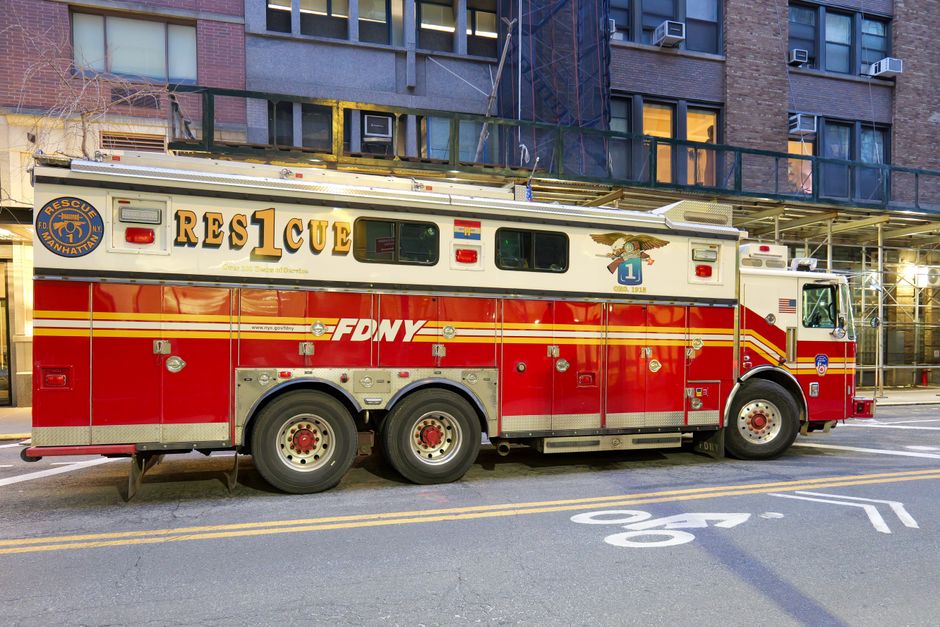
This scene is becoming routine across New York's five boroughs. The FDNY reported last month that average 911 response times have climbed to their worst levels in fifteen years, with some neighborhoods in the Bronx and outer Brooklyn experiencing waits exceeding 15 minutes. For stroke victims, trauma patients, and cardiac emergencies, those minutes translate directly into survival rates and long-term disability outcomes.
The crisis stems from a perfect storm: the FDNY is operating with approximately 400 fewer firefighters than it did in 2019, while call volumes have surged 23 percent since 2020. The Police Department, meanwhile, has seen its headcount stabilized after years of budget debates, but patrol response times in Harlem, Washington Heights, and Sunset Park—historically under-resourced neighborhoods—remain stubbornly high.
Community leaders from Sunset Park to the Upper West Side report that residents are increasingly skeptical about emergency response. Property values in neighborhoods with documented slow response times show measurable softening. Insurance premiums for small businesses in high-crime precincts have risen 8-12 percent year-over-year, according to local brokers.
The human cost extends beyond statistics. Domestic violence survivors waiting on hold with 911 operators face dangerous delays. Overdose calls in Washington Heights, where fentanyl deaths remain elevated, lose critical seconds. Elderly residents in rent-controlled buildings in Inwood express anxiety about fall emergencies.
City Hall has proposed a $100 million emergency recruitment and retention initiative, offering signing bonuses up to $15,000 for new firefighters—a 30 percent increase from previous years. It's a start, but union leadership says it barely addresses the structural shortage.
For ordinary New Yorkers, the message is stark: emergency response is no longer a guaranteed service at the speed we once took for granted. Residents in vulnerable neighborhoods are most affected, deepening existing health and safety inequities. Whether new funding actually improves response times will define the city's public safety landscape for the next decade.
This article was compiled by AI from the sources linked above and screened before publishing. See our editorial standards.
How does this story make you feel?
Spread the word
About this article
Published by The Daily New York
Daily brief
Free, in your inbox before 7am. Weekdays.
More in News