New York City's police and emergency response agencies faced a turbulent week as fresh crime statistics underscored a troubling trend: violent incidents in the subway system have spiked significantly as summer approaches its midpoint, with authorities reporting 847 assaults across the MTA network in the past month alone.
The NYPD's Transit Bureau released the figures on Monday, revealing a 23% increase compared to the same period last year. The most concerning hotspots include stations along the A and C lines in Manhattan and Brooklyn, particularly around 42nd Street-Port Authority Bus Terminal and the Canal Street complex. The F line, which connects Queens and lower Manhattan, has also experienced a notable surge in reports of aggressive behavior and theft.
"We're seeing a pattern that demands immediate intervention," said a spokesperson for the Mayor's Office of Criminal Justice during a Tuesday briefing. The city announced it would deploy an additional 200 transit officers across the system by mid-July, with particular focus on evening and overnight hours when ridership drops but vulnerability increases.
The week also saw emergency medical services responding to three separate incidents involving weapons at major transit hubs. EMS workers treated seven individuals for injuries ranging from minor cuts to serious stab wounds at the Jamaica Station complex in Queens on Wednesday. The incidents, while not resulting in fatalities, highlighted the growing strain on frontline responders already contending with a 15% increase in overall emergency calls citywide.
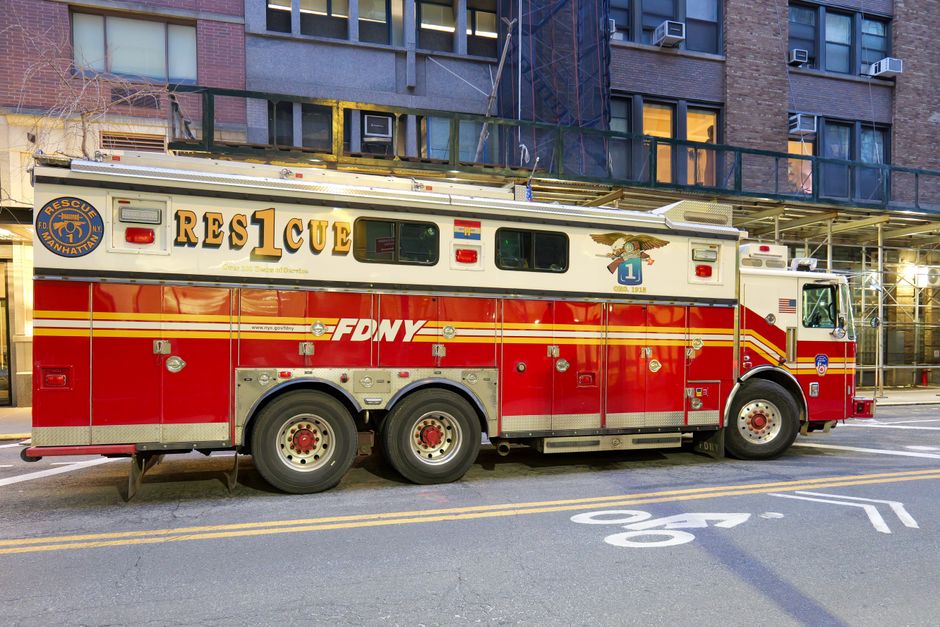
The FDNY and NYPD have established a joint task force to improve coordination between departments. Emergency services leaders noted that response times to subway emergencies have averaged 8-12 minutes, but are working to reduce this to under six minutes in high-risk areas.
Community groups from Washington Heights to Sunset Park have organized safety forums in response to the data. The Transit Riders Union has called for better lighting in station underpasses and increased staffing at customer service booths, arguing that visible staff presence deters criminal activity.
The Police Benevolent Association pushed back against what it characterizes as insufficient resources, requesting an additional $45 million in transit-specific funding. Meanwhile, advocates for criminal justice reform have stressed the need for addressing root causes, including housing insecurity and substance abuse—factors they argue fuel much of the uptick in transit violence.
City Hall has promised a comprehensive safety strategy announcement by July 15, though officials declined to specify funding levels or detailed deployment plans ahead of the formal announcement.
This article was compiled by AI from the sources linked above and screened before publishing. See our editorial standards.