As Housing Crisis Deepens, City Leaders Chart Competing Paths Forward
City officials, housing advocates, and urban planners clash over bold reforms versus incremental fixes as median rents in Manhattan hit record highs.
City officials, housing advocates, and urban planners clash over bold reforms versus incremental fixes as median rents in Manhattan hit record highs.
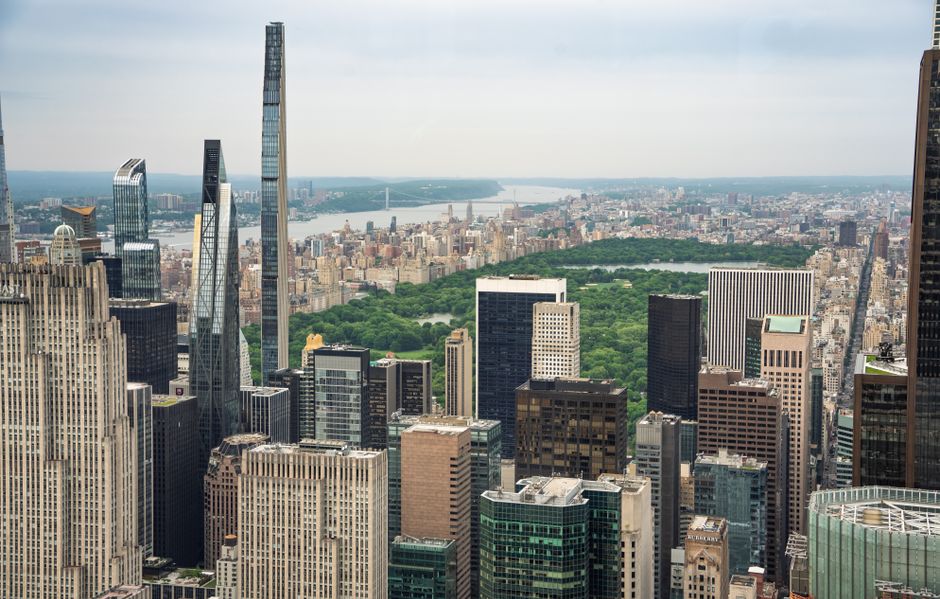
New York City's housing policy debate has reached a critical juncture, with officials and experts sharply divided over how to address an affordability crisis that has pushed median rents above $3,800 monthly in Manhattan and forced thousands into homelessness.
The contentious disagreement centers on zoning reform, a topic that has animated discussions at City Hall, nonprofit headquarters along the Bowery, and community boards across Brooklyn and Queens. City planning officials argue that loosening restrictions on residential construction—particularly in historically low-density neighborhoods—offers the fastest path to expanding supply. Representatives from the Department of City Planning have pointed to successful density increases in parts of Long Island City and Astoria as proof that targeted zoning changes can attract development without overwhelming infrastructure.
However, housing advocates and preservation organizations express deep skepticism. Leaders at the Housing Preservation Development office and community groups focused on neighborhoods like Jackson Heights and Sunset Park warn that deregulation alone risks accelerating displacement. They contend that without robust protections, new construction attracts investment capital that destabilizes existing communities rather than serving longtime residents earning median incomes.
The debate has intensified following recent city studies showing that a quarter of New York households spend more than half their income on rent—well above the recommended 30 percent threshold. Data from the Citizens Budget Commission reveals that homelessness has increased by 23 percent since 2022, with shelters in the Bronx and upper Manhattan operating at near-capacity levels.
Urban planning scholars from Columbia and NYU have weighed in with nuanced positions. Some emphasize that zoning reform must be paired with anti-speculation measures and community land trusts to protect existing residents. Others stress that without removing restrictive regulations that have limited housing construction for decades, the city cannot build its way out of the crisis.
A coalition of real estate industry groups has pushed for expedited permitting and reduced bureaucratic timelines, while tenant organizations counter that speed benefits developers, not renters. The debate extends to specific neighborhoods: proposals to rezone parts of the Upper West Side and Forest Hills have generated particular friction, with some officials touting economic benefits and opponents citing traffic, schools, and cultural preservation concerns.
As the city government prepares its next comprehensive housing plan, the fundamental tension remains unresolved: how to dramatically increase supply while protecting the millions of New Yorkers already struggling to afford their homes.
This article was compiled by AI from the sources linked above and screened before publishing. See our editorial standards.
How does this story make you feel?
Spread the word
About this article
Published by The Daily New York
Daily brief
Free, in your inbox before 7am. Weekdays.
More in News