Why Astoria's New Community Garden Network Could Transform Food Access for 50,000 Residents
As grocery prices surge across Queens, neighborhood groups are building a radical alternative that's already reshaping how working families eat.
As grocery prices surge across Queens, neighborhood groups are building a radical alternative that's already reshaping how working families eat.
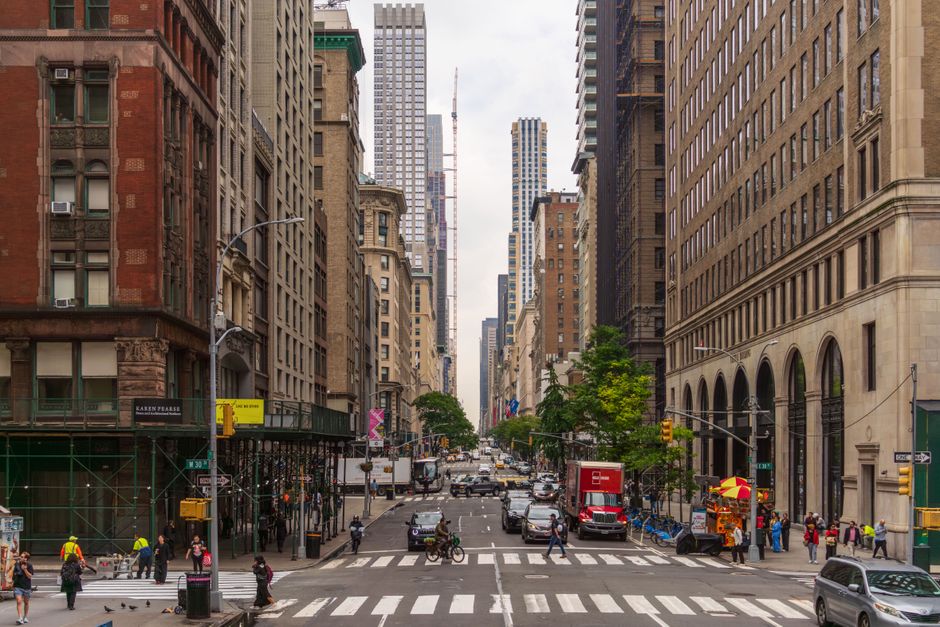
On a sliver of reclaimed land behind the shuttered factory on 28th Avenue in Astoria, something unexpected is growing: kale, tomatoes, and cilantro—alongside a quiet revolution in food justice.
The Astoria Community Garden Coalition, a network of six interconnected growing spaces that officially launched this month, represents far more than weekend gardening. For the 50,000 residents living within a half-mile radius—many in rent-stabilized apartments and working multiple jobs—it addresses a crisis that's quietly destabilized neighborhoods across Queens: the collapse of affordable fresh food.
"A head of organic lettuce costs $4.99 at Key Food on Steinway Street," says Maria Feliciano, who coordinates volunteer efforts at the largest site on 31st Drive. "Most families we work with are choosing between that and milk."
The numbers are stark. Average grocery prices in Astoria have risen 18 percent since 2022, according to a New York University study released last month. Meanwhile, the neighborhood has lost three supermarkets in five years. The nearest full-service grocery store for many residents is now two subway stops away—a trip that becomes prohibitive when you're managing childcare and a service job with unpredictable hours.
What makes the coalition different from typical community gardens is its explicit focus on yield and equity. Rather than decorative plots, these spaces target 8,000 pounds of produce annually—distributed through a sliding-scale CSA program that charges between $5 and $25 weekly, depending on household income. Last week, the first harvest distributed 340 pounds of vegetables to families across 15 buildings.
The impact ripples outward. Teachers at P.S. 122, which sits three blocks from the main garden, report increased lunch participation since the program began. The Astoria Houses, NYCHA's largest development in Queens, has partnered to create educational workshops connecting residents to the gardens. Local restaurants like Taverna Kyclades are sourcing herbs directly, creating micro-jobs for coordinators.
But this success also exposes a brutal truth: New York's neighborhoods shouldn't need volunteer networks to guarantee access to vegetables. The gardens work because residents organized, invested time, and built something themselves. That's admirable. It's also a symptom of systemic failure.
As the city faces another wave of supermarket closures in outer boroughs, Astoria's model offers both inspiration and warning. Yes, communities can adapt. But real food security requires investment from above, not just resilience from below. For now, though, residents are taking what they can get—one harvest at a time.
This article was compiled by AI from the sources linked above and screened before publishing. See our editorial standards.
How does this story make you feel?
Spread the word
About this article
Published by The Daily New York
Daily brief
Free, in your inbox before 7am. Weekdays.
More in News