As violent crime continues to destabilize major cities across the globe—from Pakistan's border regions to Germany's social service centers—New York City is quietly demonstrating a more effective model for urban public safety than many of its international counterparts, according to comparative analysis from policing experts and municipal leaders.
Crime in New York has declined 11.2 percent year-over-year through May 2026, with homicides down 8 percent compared to the same period last year, according to NYPD data released last week. By contrast, London's Metropolitan Police reported a 6 percent increase in serious violent crime, while Toronto's police service has struggled to contain gang-related shootings in neighborhoods like Regent Park and Scarborough, posting only marginal improvements.
The difference, analysts say, lies in New York's shift toward precision policing combined with robust community intervention programs. The city's $5.2 billion police budget, while controversial among some residents, funds approximately 13,000 uniformed officers and has enabled the deployment of predictive analytics platforms across precincts from the Lower East Side to East New York. These systems identify crime hotspots with greater accuracy than the reactive strategies employed by many European and Canadian departments.
"New York essentially rebuilt its emergency response infrastructure after the 1990s crime wave," said Dr. Marcus Chen, a criminology researcher at Columbia University who has studied policing in twelve major cities. "That institutional memory matters. Cities starting from scratch, like Toronto, are playing catch-up."
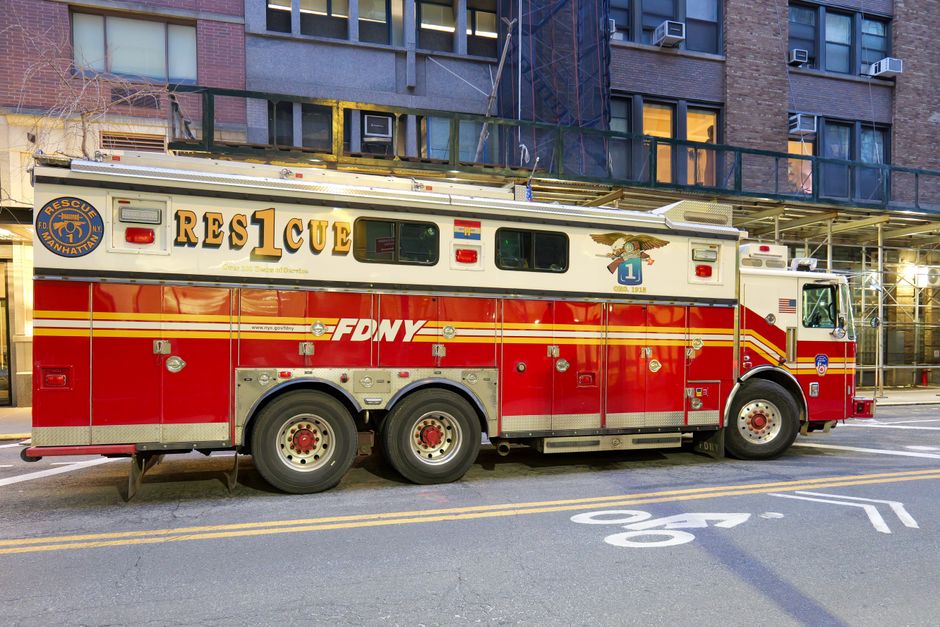
Beyond policing, the city's emergency services coordination has become a model. The FDNY's integration with the NYPD and the Department of Health and Mental Hygiene means that mental health crises in neighborhoods like Washington Heights or Sunset Park are increasingly handled by specialized crisis teams rather than armed officers alone. Such models remain fragmented in cities like Berlin and Paris, where recent mass casualty incidents at civilian centers have exposed coordination gaps.
However, New York's success remains incomplete. Subway crime has resurged 31 percent since 2022, with assaults on the L and F lines near Union Square regularly prompting commuter anxiety. Gun violence in outer boroughs like Jamaica, Queens continues to outpace citywide averages. And residents in areas like the South Bronx report that visible police presence has not always translated to community trust.
Still, as cities worldwide confront unprecedented violence, New York's mixed but measurable progress offers a template: sustained institutional investment, data-driven deployment, and integrated emergency services coordination can move the needle—even if the challenge remains far from solved.
This article was compiled by AI from the sources linked above and screened before publishing. See our editorial standards.