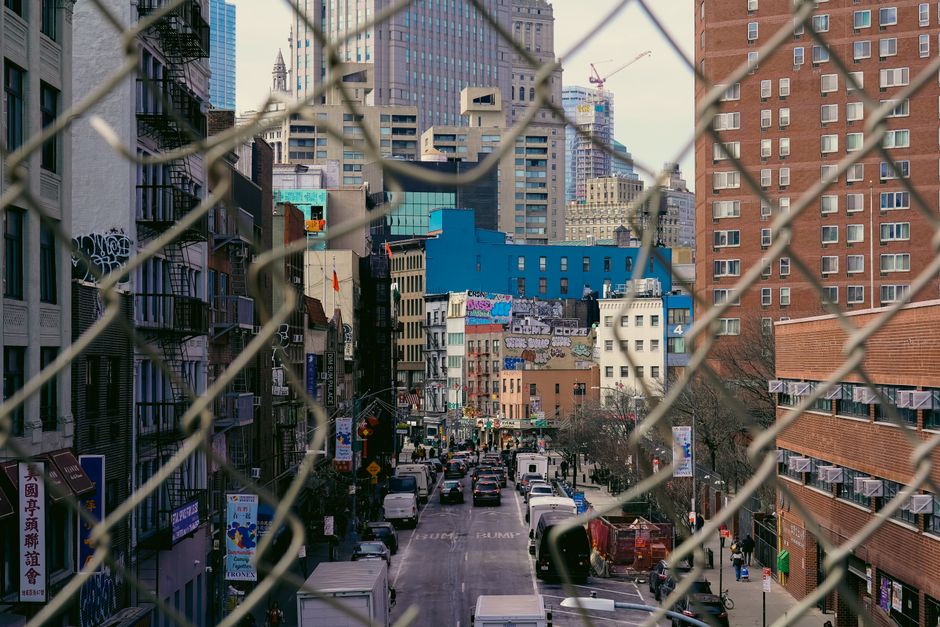
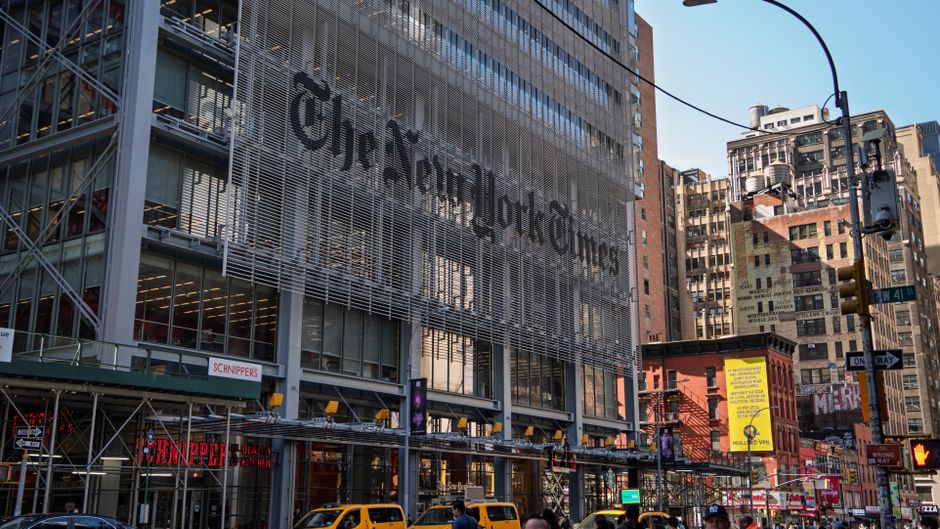
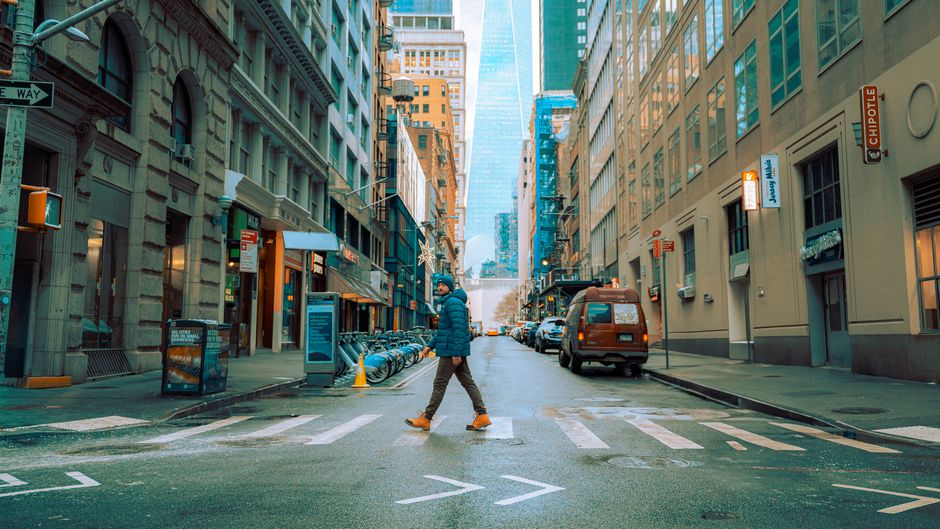
New York City's reputation as a beacon for ambitious newcomers remains intact, even as the material conditions of moving here have shifted dramatically over the past five years. The decision to relocate to Manhattan, Brooklyn, or Queens now requires navigating a landscape shaped by remote work, pandemic migration patterns, and unprecedented demand for urban living—factors that have fundamentally altered the city's housing economy.
The numbers tell a stark story. Average rent for a one-bedroom apartment in Manhattan now hovers around $3,500 monthly, while comparable units in formerly affordable neighborhoods like Astoria, Queens, or Sunset Park, Brooklyn, regularly fetch $2,400 to $2,800. This represents roughly a 35 percent increase since 2021, according to recent rental market analysis. The demographic shift is equally significant: the U.S. Census Bureau reported that net migration to New York City accelerated dramatically between 2023 and 2025, with young professionals aged 25-34 representing the largest cohort of new arrivals.
Understanding this context matters because it explains why the apartment-hunting experience feels so competitive. The sudden influx of remote workers seeking New York's cultural amenities—from the theater district in Midtown to the gallery scene in the Lower East Side—has intensified bidding wars and application processes that now routinely require proof of income, credit checks, and personal references. Major transit hubs like Grand Central Terminal and the Brooklyn Bridge have seen usage patterns that reflect this demographic reshuffling.
The broader economic backdrop includes significant corporate investment in the city's recovery following pandemic disruptions. Tech companies have expanded their Manhattan footprints, particularly in Midtown South, while finance sector consolidation has continued apace. Simultaneously, migration from high-tax states like California and Florida has brought wealth influxes that have elevated property values across all five boroughs.
For newcomers, this means being strategic about neighborhood selection. Emerging areas like Long Island City, Queens, or the developing waterfront sections of Williamsburg, Brooklyn, offer relatively more accessible entry points, though gentrification pressures are evident everywhere. Established affordable neighborhoods have become increasingly scarce; options now typically involve either accepting longer commutes to outer neighborhoods or allocating a larger percentage of income to housing.
The rise of co-living arrangements and micro-apartments reflects how newcomers are adapting. Organizations like NYC Housing Preservation Development continue to manage affordable units, though demand vastly outpaces supply. For those arriving in 2026, success requires understanding that moving to New York is less about finding affordable housing and more about making calculated choices within a fundamentally transformed market.
This article was compiled by AI from the sources linked above and screened before publishing. See our editorial standards.