'We Are Not Invisible': New York's Immigrant Communities Speak Out as World Cup Summer Reshapes the City
From Jackson Heights to Sunset Park, migrants say the FIFA spotlight has done little to ease the daily pressures of rent, raids, and belonging.
From Jackson Heights to Sunset Park, migrants say the FIFA spotlight has done little to ease the daily pressures of rent, raids, and belonging.
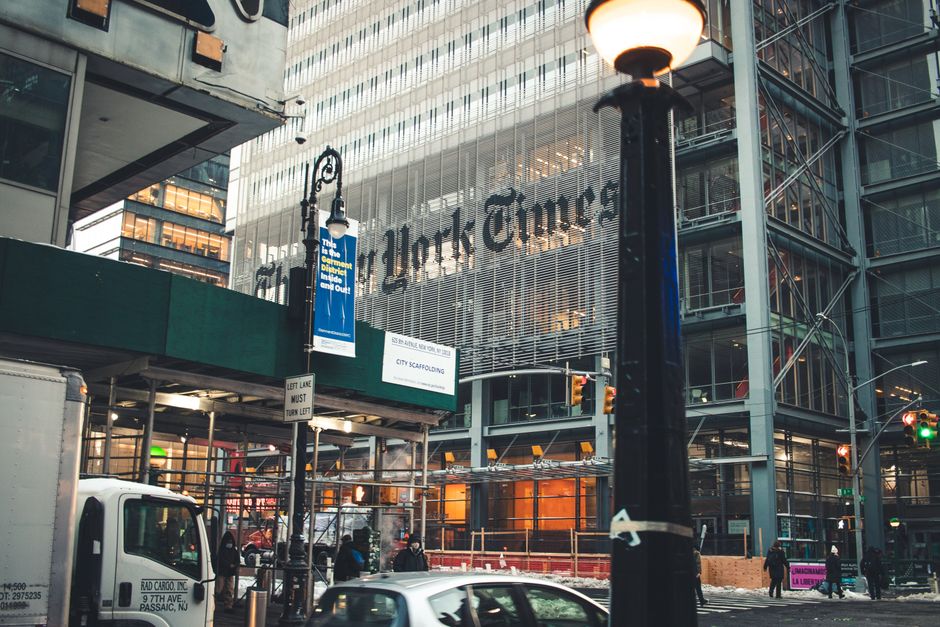
The bunting went up on Junction Boulevard in late June, and the street vendors selling Colombian jerseys and Moroccan scarves had their best weekend in years when the FIFA World Cup group-stage matches kicked off at MetLife Stadium. But for many of the immigrants who actually live in the neighborhoods the city is now marketing to tourists as vibrant and world-class, the celebration has a hollow edge.
Across Queens, Brooklyn, and the Bronx, community leaders and residents say a widening gap has opened between New York's official posture as a sanctuary city and the lived experience of undocumented and recently arrived migrants navigating a system short on shelter space, legal help, and affordable housing. The tension is sharpest now because the World Cup has drawn global attention to neighborhoods like Jackson Heights and Woodside — places built by decades of immigrant labor — while federal immigration enforcement has intensified in the same ZIP codes since January.
At the Immigrant Justice Corps office on Broadway in Manhattan, caseworkers say appointment slots through the end of August are fully booked. The organization, which provides free legal representation to immigrants facing deportation, handled roughly 4,200 cases in 2025. Staff say the pace in 2026 is running about 30 percent ahead of that figure, driven partly by clients who received Temporary Protected Status under prior administrations and are now scrambling to secure alternative relief before protections lapse.
In Sunset Park, Brooklyn — home to one of the city's largest concentrations of Chinese and Mexican immigrants — the Fifth Avenue Committee, a nonprofit housing organization on 4th Avenue, has seen a surge in walk-ins from families receiving rent-demand notices. Average asking rent for a two-bedroom in the neighborhood has crossed $2,800 a month, according to StreetEasy data from June 2026, a 14 percent jump from the same month in 2024. For families earning below $45,000 a year, that math doesn't work. Several residents described paying $1,500 or more per month for subdivided basement rooms to stay in the borough where their children go to school.
In Jackson Heights, the community-run organization Adhikaar, which focuses on Nepali-speaking workers, has been running Know Your Rights workshops every other Saturday at the Diversity Plaza space on 74th Street. Attendance at each session has roughly doubled since March. Workers in the nail salon and domestic-service economy describe a specific anxiety: they are essential to the neighborhoods the city is showcasing during the World Cup, yet they feel newly exposed every time they board the 7 train.
The Adams administration points to the Office of Immigrant Affairs, which allocated $23 million in fiscal year 2026 for legal services, workforce development, and outreach. The city's municipal ID program, IDNYC, which was first launched in 2015, has issued more than 1.5 million cards to date and remains one of the more concrete protections available to undocumented residents trying to open bank accounts or access city services without a federal ID.
But advocates say those programs were designed for a different threat environment. The current federal posture — which has included joint operations between ICE and local contractors in the outer boroughs — has created a chilling effect that the city's sanctuary policies, however sincere, cannot fully counteract. Community health workers in the South Bronx report patients skipping prenatal appointments at Lincoln Hospital on 149th Street out of fear of checkpoints they heard about through WhatsApp groups.
The World Cup final is scheduled for July 19 at MetLife. After the crowds go home, housing court will resume its ordinary schedule, TPS decisions will continue working through the federal pipeline, and the 7 train will still be the artery connecting Flushing to Midtown. Immigrant advocates say the most useful thing residents can do right now is contact the Mayor's Action Center at 311 to request referrals to free legal consultations, and to register household members for IDNYC before enrollment offices reduce summer hours in August. The bunting on Junction Boulevard will come down. The rent bill will not.
How does this story make you feel?
Spread the word
About this article
Published by The Daily New York
Daily brief
Free, in your inbox before 7am. Weekdays.
More in News