news
How New York Got Here: The Long Road to Its Climate Reckoning
From Superstorm Sandy to the FIFA World Cup, the forces that shaped the city's sustainability agenda didn't arrive overnight.
How we reported this
New York City enters the second half of 2026 under a peculiar kind of pressure: it is simultaneously hosting the world's most-watched sporting event and facing a summer that climate scientists say could produce heat emergencies on par with what France just endured, where 2,025 excess deaths were recorded at the peak of this season's European heatwave. The question now isn't whether the city has a sustainability plan. It's whether the one assembled over the past two decades is actually built for the moment.
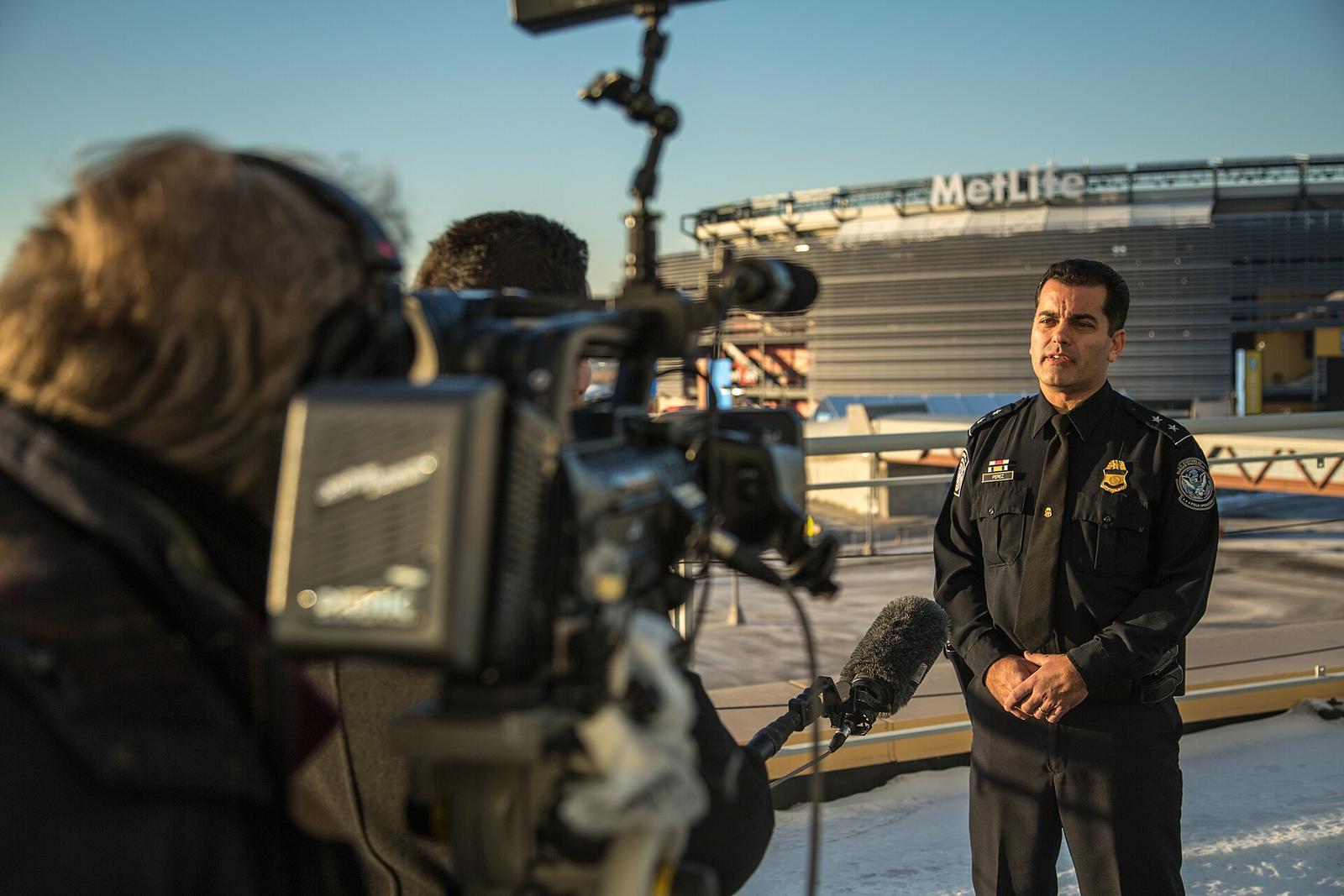
The timing matters because convergence is rare. Congestion pricing, after years of legal battles and political retreats, finally went live on January 9, 2025, charging most passenger vehicles $9 to enter Manhattan below 60th Street. FIFA World Cup matches at MetLife Stadium in East Rutherford draw tens of thousands of additional visitors through July, straining transit, air quality monitoring, and the cooling infrastructure of neighborhoods that were never designed to absorb this kind of load. The city is, in effect, stress-testing its green commitments in real time.
The Blueprint That Sandy Built
Most of the current framework traces back to October 2012. Superstorm Sandy knocked out power to roughly 800,000 Con Edison customers, flooded the Hugh L. Carey Tunnel, and exposed what planners already suspected: the city's infrastructure was built for a climate that no longer exists. Within eight months, Mayor Michael Bloomberg's administration released PlaNYC 2.0, expanding the original 2007 sustainability document to include 430 specific initiatives, from installing 1 million trees to retrofitting city-owned buildings. That document became the template every subsequent administration has worked from, modified, or quietly shelved in pieces.
The de Blasio years added Local Law 97, passed in 2019, which set carbon emission caps on buildings over 25,000 square feet, roughly 50,000 properties citywide. Fines for noncompliance were set to begin in 2024, at $268 per metric ton of CO2 over the limit. The law was considered the most aggressive building emissions policy of any American city when it passed. It remains contested. Real estate lobbying groups spent much of 2023 and 2024 pressing Albany for amendments, winning some compliance flexibility but not the full rollback they sought. The Department of Buildings reported in March 2026 that approximately 20 percent of covered buildings had still not filed the required emissions intensity reports.
The Eric Adams administration inherited all of this and added its own complications. Adams launched the New York City Retrofit Accelerator program, housed at Sustainable CUNY on West 42nd Street, which connects building owners with financing for energy upgrades. The city also opened the Brooklyn Navy Yard's Building 77 as a hub for climate-tech startups in 2023, drawing more than 40 tenants by early 2026. But critics at the Natural Resources Defense Council's New York office and the urban planning department at Hunter College on East 68th Street have pointed to a persistent gap: the neighborhoods most exposed to heat and flooding, Hunts Point in the Bronx, Red Hook in Brooklyn, the Rockaways in Queens, are the ones least likely to benefit from commercial green-tech investment.
Where the Money Actually Went
Federal Inflation Reduction Act dollars began flowing to New York in 2023, with the city securing $156 million through the EPA's Environmental Justice Collaborative Problem-Solving program for projects in historically underserved zip codes. The MTA used a separate tranche of federal infrastructure money to electrify 60 additional bus routes along corridors including Fordham Road and Flatbush Avenue by December 2025. Congestion pricing revenue, projected at $1 billion annually for capital improvements, is now earmarked almost entirely for subway signal upgrades on the A, C, and E lines and the long-delayed Second Avenue Subway Phase 2 extension to 125th Street.
What comes next will depend heavily on whether Local Law 97 enforcement holds, whether the congestion pricing revenue projections survive a potential federal legal challenge, and whether the city's Extreme Heat Emergency protocol, activated three times already this summer through June, gets the permanent staffing and cooling center expansion that advocates have been requesting since 2023. The Parks Department currently operates 35 designated cooling centers across all five boroughs. Public health researchers at NYU Langone say that number needs to double before 2030. The city hasn't committed to a timeline.