'We Are Being Erased': Longtime New Yorkers Speak Out as Housing Pressures Rewrite Their Neighborhoods
From East New York to Inwood, residents living through displacement say city planning decisions are happening to them, not with them.
From East New York to Inwood, residents living through displacement say city planning decisions are happening to them, not with them.
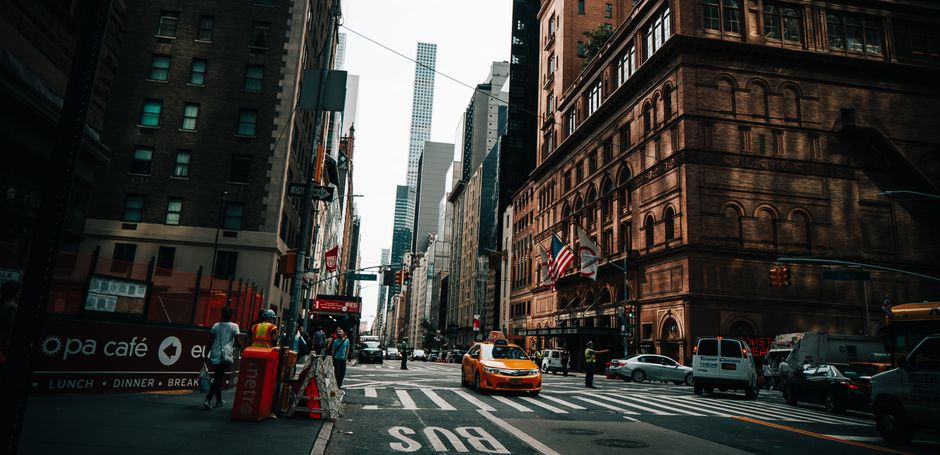
The median asking rent for a one-bedroom apartment in New York City hit $3,400 a month in June 2026, according to StreetEasy data — a figure that residents of neighborhoods long considered affordable say has turned their blocks into places they no longer recognize. And with the Adams administration pushing a revised City of Yes zoning amendment through the City Council this summer, the people most likely to be affected are making themselves heard.
The housing crisis is not abstract for the roughly 1.1 million rent-stabilized tenants across the five boroughs. For them, every rezoning vote, every variance hearing at the Board of Standards and Appeals, and every new luxury tower crane on the skyline lands like a personal notice. With a key Council vote on the zoning text amendment expected before Labor Day, and World Cup infrastructure construction already displacing vendors and residents near Flushing Meadows–Corona Park in Queens, the pressure is acute.
On Pitkin Avenue in Brownsville, Brooklyn, tenant organizers with the group Communities Resist have been holding weekly meetings since March at the Brownsville Community Justice Center on Rockaway Avenue. Attendance has tripled in three months. The common thread: people who have lived in the same apartment for fifteen or twenty years suddenly receiving preferential-rent lease riders they don't understand, or construction notices for neighboring lots they were never consulted about.
In East Harlem, the rezoning of a stretch of East 116th Street approved in 2023 continues to ripple outward. Residents near Jefferson Houses, a New York City Housing Authority development at East 112th Street, say the city's promises of affordable set-asides in new mixed-income buildings haven't materialized fast enough. The NYCHA Permanent Affordability Commitment Together program — known as PACT — has converted several buildings in the neighborhood to a public-private model, and some longtime tenants say their maintenance requests are now being routed through a new management company they've never met.
In Inwood at the northern tip of Manhattan, a neighborhood that survived a prolonged rezoning legal battle — a 2018 rezoning was overturned by courts and later passed in modified form — organizers at the Uptown immigrant advocacy group Northern Manhattan is Not for Sale say their phones haven't stopped ringing. Callers are worried about a new batch of building permit applications along Dyckman Street filed in the second quarter of this year. Many callers don't speak English as a first language and say they have no idea how to navigate the Department of City Planning's public comment process, which requires online submission through the CEQR portal or in-person testimony in lower Manhattan.
City data published by the Department of Housing Preservation and Development in May 2026 showed that 78,000 rent-stabilized apartments have been lost to the housing stock in New York since 2019, many through a combination of high-rent deregulation loopholes that survived the 2019 Housing Stability and Tenant Protection Act. The average income for a household in East New York is roughly $47,000 a year, according to 2024 Census estimates — putting even a two-bedroom at $2,600 a month mathematically out of reach without subsidy.
The Right to Counsel NYC Coalition, which coordinates free legal representation for tenants facing eviction, says its member organizations handled more than 34,000 cases in fiscal year 2025, up 18 percent from the prior year. The organization's coordinator told reporters at a City Hall briefing in June that the spike tracks directly with the expiration of pandemic-era eviction protections and a backlog of Housing Court cases that are now being resolved rapidly in landlords' favor.
For residents wanting to weigh in before the City of Yes vote, the Department of City Planning has scheduled two remaining public input sessions: one at the Jamaica Service Program for Older Adults in southeast Queens on July 15, and another at the Bronx Museum of the Arts on the Grand Concourse on July 22. Speakers are allocated three minutes each. Organizations including the Association for Neighborhood and Housing Development are offering workshops on how to submit written testimony online for those who cannot attend in person.
How does this story make you feel?
Spread the word
About this article
Published by The Daily New York
Daily brief
Free, in your inbox before 7am. Weekdays.
More in News