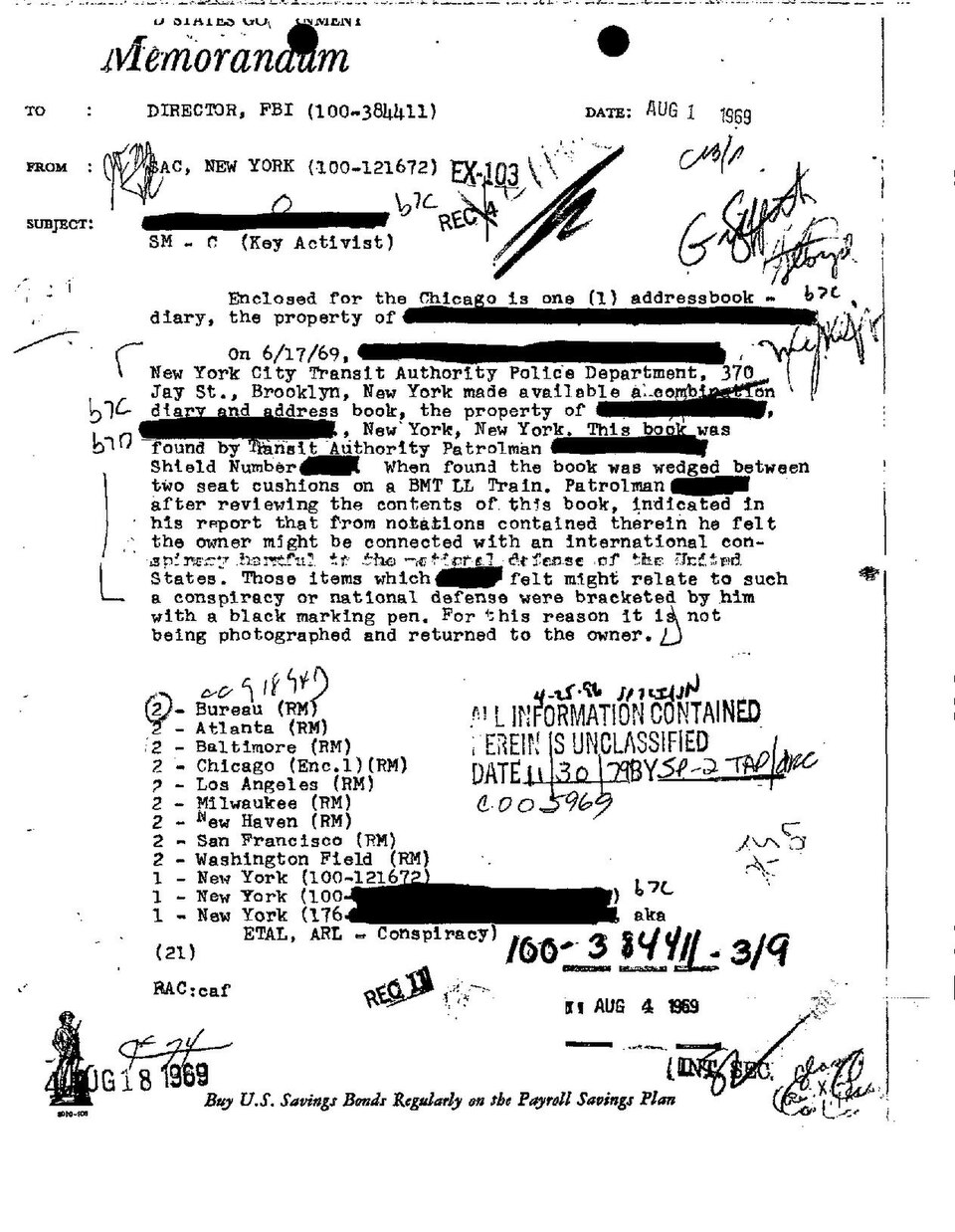
New York City's digital infrastructure has a redundancy problem. Across municipal databases, housing portals, and community board websites, duplicate images — the same photograph filed multiple times under different record numbers — are quietly consuming server storage, slowing public-facing tools, and muddying the evidentiary record that residents and advocates rely on for everything from rent stabilization disputes to landmark preservation cases.
The issue has moved closer to the surface this summer, as the city's Department of Housing Preservation and Development continues its push to digitize building inspection records citywide, a rollout that accelerated in early 2026. Advocates who work with tenants in the South Bronx and Central Brooklyn say the duplication problem isn't abstract. When the same crumbling-ceiling photo appears three or four times in a building's HPD complaint file, it distorts automated triage systems that flag which violations are most urgent — and it delays the inspectors who have to wade through redundant files before scheduling a visit.
What Duplicate Images Actually Cost a City Block
Storage costs alone tell part of the story. Cloud storage for municipal governments typically runs between $0.02 and $0.05 per gigabyte per month at scale, but poorly managed image libraries — where duplicates can account for 30 to 40 percent of total file volume, according to data management analysts who study public-sector systems — can push annual storage bills significantly higher than budgeted. For a city the size of New York, which manages tens of millions of property and inspection records, that inefficiency compounds fast.
At the community level, the friction shows up in practical ways. Organizations like the Northwest Bronx Community and Clergy Coalition, which helps tenants at buildings along the Grand Concourse file HPD complaints, have found that duplicate photo uploads — often the result of residents submitting the same image through multiple channels — can cause the 311 system to generate separate complaint records that never get consolidated. A single broken boiler at a building on Tremont Avenue can end up represented by six different open violations in the city's public data portal, each with overlapping images, none of which close out cleanly when the boiler is finally fixed.
The MTA faces a parallel version of this problem. The agency's capital project documentation system, used to track physical progress on subway station renovations across the system's 472 stations, reportedly contains thousands of duplicate site photographs from contractors who upload images at multiple project milestones without deduplication checks. The 86th Street station renovation on the Q line and work at the Nostrand Avenue A/C stop in Bed-Stuy have both generated large documentation files that external auditors have flagged for redundancy in recent review cycles, though the MTA has not published specific figures on the scale of the problem.
What the City Is Doing — and What Residents Can Push For
The Adams administration's Office of Technology and Innovation has a stated mandate to modernize city data systems, and its Open Data Plan, updated in March 2026, includes language about improving data quality across agency portals. But the plan does not set a specific deadline or budget line for implementing deduplication protocols on image files, which are technically more complex to process than text records.
For residents and tenant advocates, the immediate practical step is to be deliberate about how images are submitted through 311 and HPD's online portal. Submitting one clear, well-labeled photograph per condition — rather than uploading the same image through multiple channels — reduces the chance of duplicate records being generated. Community organizations in neighborhoods like Bushwick and Washington Heights, where building code complaints run high, have started coaching tenants on this during intake sessions.
The longer fix requires city agencies to adopt automated image-fingerprinting tools that flag duplicates at the point of upload, a technology that is standard in large private-sector content systems and costs a fraction of what redundant storage does over time. Community boards in the Bronx and Brooklyn have the standing to request that HPD and the Office of Technology and Innovation present a concrete timeline for that kind of system upgrade at their next public hearings this fall.