news
New York cracks down on misleading housing ads, protects renters from deception
A crackdown on duplicate and deceptive property listing photos has been years in the making, rooted in a rental market where desperation and digital shortcuts collided.
How we reported this
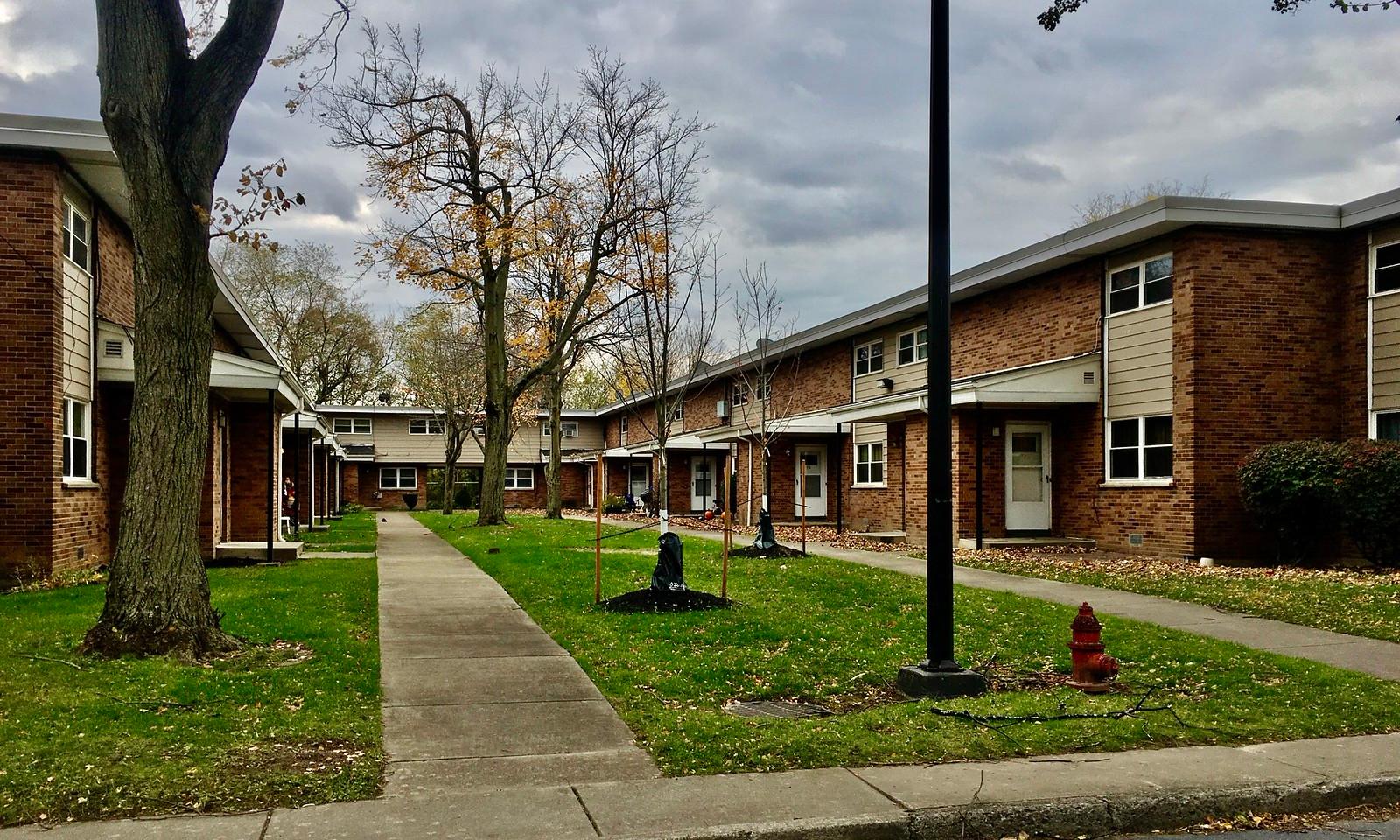
New York City's rental market has long been a place where prospective tenants make life-altering decisions based on a handful of JPEG files. Now, after years of documented abuse, city consumer protection officials and major listing platforms are under mounting pressure to address a practice that has quietly distorted the housing search for millions of renters: the recycling and duplication of property images across multiple, often unrelated listings.
The problem is not new, but it has become impossible to ignore. In a city where the median asking rent for a one-bedroom apartment in Manhattan crossed $4,500 in early 2025, tenants are signing leases, sometimes remotely, sometimes sight unseen, trusting that the photos in a StreetEasy or Zillow listing reflect the actual unit. Frequently, they do not. Images shot in a renovated Carroll Gardens brownstone have appeared attached to walk-ups in Mott Haven. A sun-drenched kitchen photographed on West End Avenue has served as bait for a basement conversion in East Flatbush.
How the Practice Took Hold
The roots of the duplicate image problem run back to the early 2010s, when third-party listing aggregators began pulling inventory from broker databases without rigorous verification systems. The Real Estate Board of New York, which maintains the RLS, the Residential Listing Service used by member brokers, has long prohibited the misrepresentation of units, but enforcement at the point of publication was effectively nonexistent for street-level operators. Small landlords, unlicensed brokers, and informal subletters found that grabbing attractive photos from expired listings cost nothing and generated inquiries immediately.
The Department of City Planning and the Department of Consumer and Worker Protection both have statutory authority over deceptive trade practices in real estate advertising, but for most of the last decade neither agency made image fraud a enforcement priority. The 2019 Housing Stability and Tenant Protection Act tightened several disclosure rules in New York State, yet it addressed lease terms and fees rather than the mechanics of digital advertising. That gap left the image duplication ecosystem largely untouched.
The COVID-19 pandemic accelerated everything. With in-person showings suspended through much of 2020 and into 2021, virtual tours and listing photographs became the only window into a potential home. Tenant advocacy groups including Housing Rights Initiative, based in Midtown Manhattan, began documenting complaints from renters who arrived at units that bore no resemblance to their listings. Some cases involved listings that had been live for years, cycling through multiple landlords, their original photos long divorced from the actual condition of the apartment.
The Push for Accountability
By 2023, the New York City Council's Committee on Housing and Buildings had received testimony from tenant lawyers and fair housing organizations describing the image duplication issue as structurally linked to housing fraud more broadly. Operators running illegal short-term rentals, a practice the city moved to curtail aggressively through Local Law 18, which took effect in September 2023, were among the heaviest users of recycled listing photography. The same image set would appear in a tourist-facing Airbnb ad and a long-term rental posting simultaneously.
The Adams administration's enforcement of Local Law 18 required short-term rental hosts to register with the Mayor's Office of Special Enforcement, and inspectors began cross-referencing listing images against registered addresses. That work created, almost incidentally, the city's first systematic database of duplicate property images, a tool that housing lawyers and journalists have since used to trace misleading listings back to their origins.
Listing platforms have begun responding. StreetEasy introduced an enhanced verification badge for listings accompanied by landlord-confirmed photography in early 2025, though adoption among smaller operators has been slow. The New York State Division of Licensing Services, which oversees real estate brokers, issued updated guidance in March 2026 reminding licensees that submitting false images constitutes grounds for license revocation.
For renters navigating the market this summer, particularly the hundreds of thousands expected to cycle apartments before September's lease renewal cliff, the practical advice from tenant advocates is consistent: reverse-image-search every listing photo before paying an application fee, cross-reference addresses on Google Street View, and report suspicious listings directly to the Department of Consumer and Worker Protection's complaint portal at dcwp.nyc.gov. The system is imperfect, but it exists. That, at least, is more than renters had five years ago.