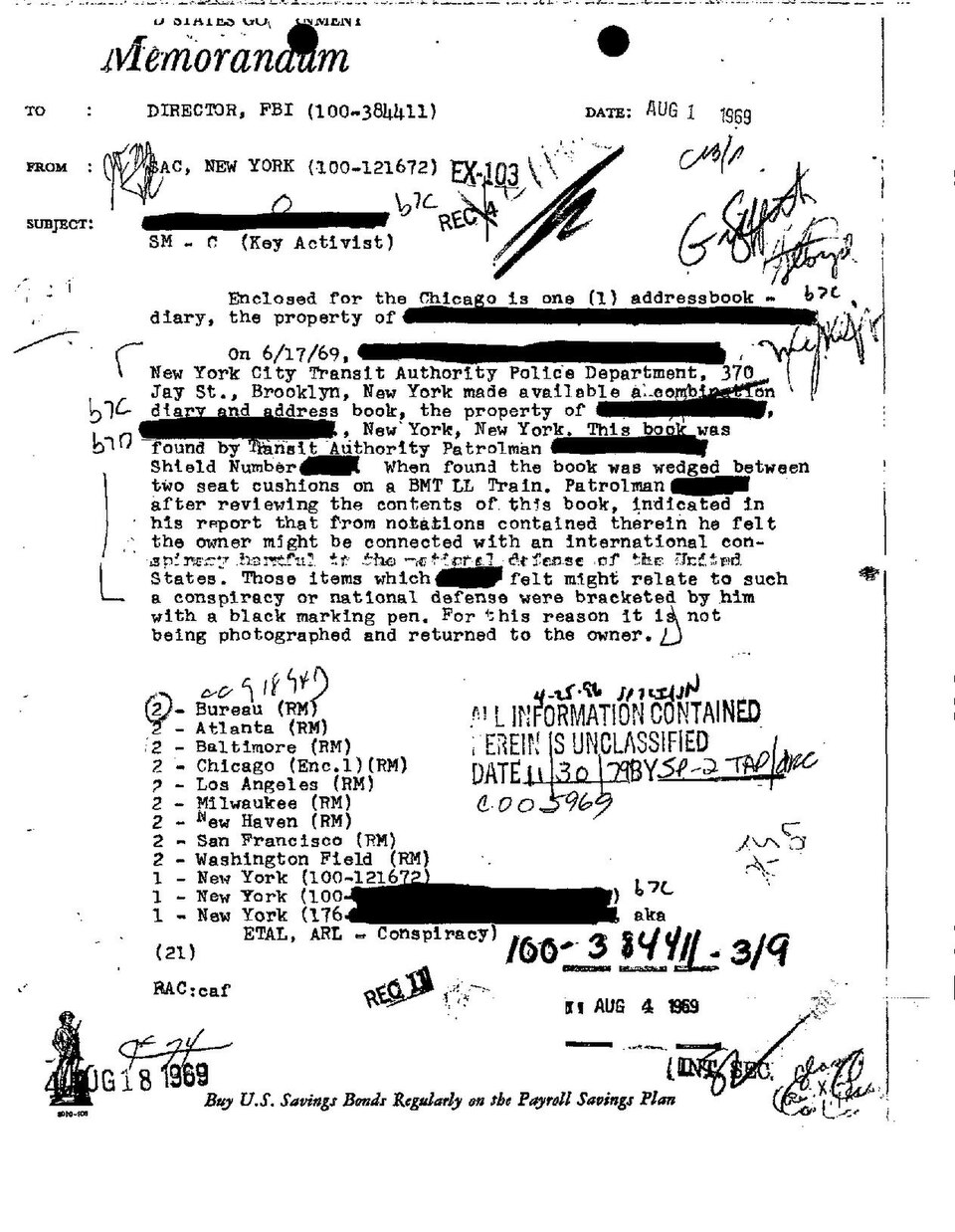
New York City's public digital archives contain hundreds of thousands of duplicate photographs, scanned documents, and digitized records that are clogging storage systems, inflating costs, and making it harder for residents and researchers to find accurate information. The problem, long acknowledged in IT circles, has now reached the desks of city administrators and cultural institution directors who say the situation can no longer be ignored.
The timing matters. The city is currently in the middle of a broad push to modernize its digital infrastructure ahead of the 2026 FIFA World Cup, which brings an expected surge in visitors navigating city services, transit maps, and neighborhood guides online. Redundant and mislabeled images embedded in official portals and tourist-facing platforms risk undermining that effort at exactly the wrong moment.
Where the Problem Lives
The Municipal Archives, located at 31 Chambers Street in Lower Manhattan, holds millions of digitized records stretching back to the nineteenth century. Archivists there have flagged duplicate image entries as a persistent operational headache, consuming storage capacity and complicating catalogue searches. The Brooklyn Public Library's digital collections, accessible through its Central Library on Grand Army Plaza, face similar pressures. Library administrators have described the issue internally as a resource-allocation problem: staff hours spent identifying and removing duplicates are hours not spent on new digitization projects.
The New York City Department of Records and Information Services, which oversees the Municipal Archives, is also responsible for coordinating with roughly 50 city agencies that maintain their own digital repositories. Each agency operates under different data standards, meaning a photograph of, say, the Manhattan Bridge could exist in dozens of slightly different file versions across multiple government servers simultaneously—none of them flagged as redundant by automated systems that lack the sophistication to recognize near-identical images.
Technology specialists in the civic-tech community, including those affiliated with the nonprofit BetaNYC, have pointed to the absence of a citywide deduplication policy as the root cause. Without a mandated standard, agencies default to saving everything, which is the path of least institutional resistance even when it creates long-term problems.
What Officials and Experts Are Saying
The debate has acquired a sharper edge in recent months as the city's cloud storage costs have drawn scrutiny. The Adams administration's fiscal year 2026 budget allocated funds for expanded city cloud services, and digital records management falls within the Office of Technology and Innovation's portfolio. Technology policy advocates have argued publicly that deduplication software—tools that automatically detect and flag near-identical files—should be a procurement priority before the next budget cycle.
Experts in digital preservation caution that automated deduplication is not without risk. A file that looks like a duplicate may carry distinct metadata, a different provenance, or a unique rights status. Deleting the wrong version of a historical photograph can mean permanent loss. That concern has made some archivists resistant to aggressive automated solutions, preferring manual review processes that are slower but more precise.
The conversation is also touching the MTA, which maintains extensive image libraries for its subway map updates, station signage projects, and public communications. The agency's ongoing capital program, which involves station renovations at locations including the 86th Street station on the Lexington Avenue line, generates large volumes of photographic documentation that moves through multiple departments before final archiving.
For now, no single city agency has claimed lead responsibility for creating a unified deduplication standard. The Office of Technology and Innovation has indicated through public budget documents that digital infrastructure modernization is a priority, but specific policy language around duplicate records management has not yet appeared in any released framework.
Residents and researchers who rely on city digital portals have a practical option in the interim: the NYC Open Data platform at opendata.cityofnewyork.us allows users to flag data quality issues directly, including duplicate or mislabeled records. Institutions like the New York Public Library's Stephen A. Schwarzman Building on Fifth Avenue also maintain separate, more rigorously curated digital collections that are worth consulting when accuracy matters. The broader institutional fix, however, will require someone in city government to put a policy on paper—and a budget line to back it up.