Duplicate Images in City Records Are Costing New Yorkers Real Money — Here's Why It Matters
A quiet data problem buried inside municipal databases is slowing housing permits, inflating costs, and frustrating residents from the Bronx to Brooklyn.
A quiet data problem buried inside municipal databases is slowing housing permits, inflating costs, and frustrating residents from the Bronx to Brooklyn.
Duplicate images inside New York City's property and permit databases have created a compounding administrative backlog that is delaying housing approvals, muddying title searches, and adding unexpected fees for homeowners and small landlords trying to navigate the city's bureaucracy. The problem is not new, but advocates say it has grown acute as the Adams administration pushes to accelerate housing production under its City of Yes zoning framework, approved by the City Council in December 2024.
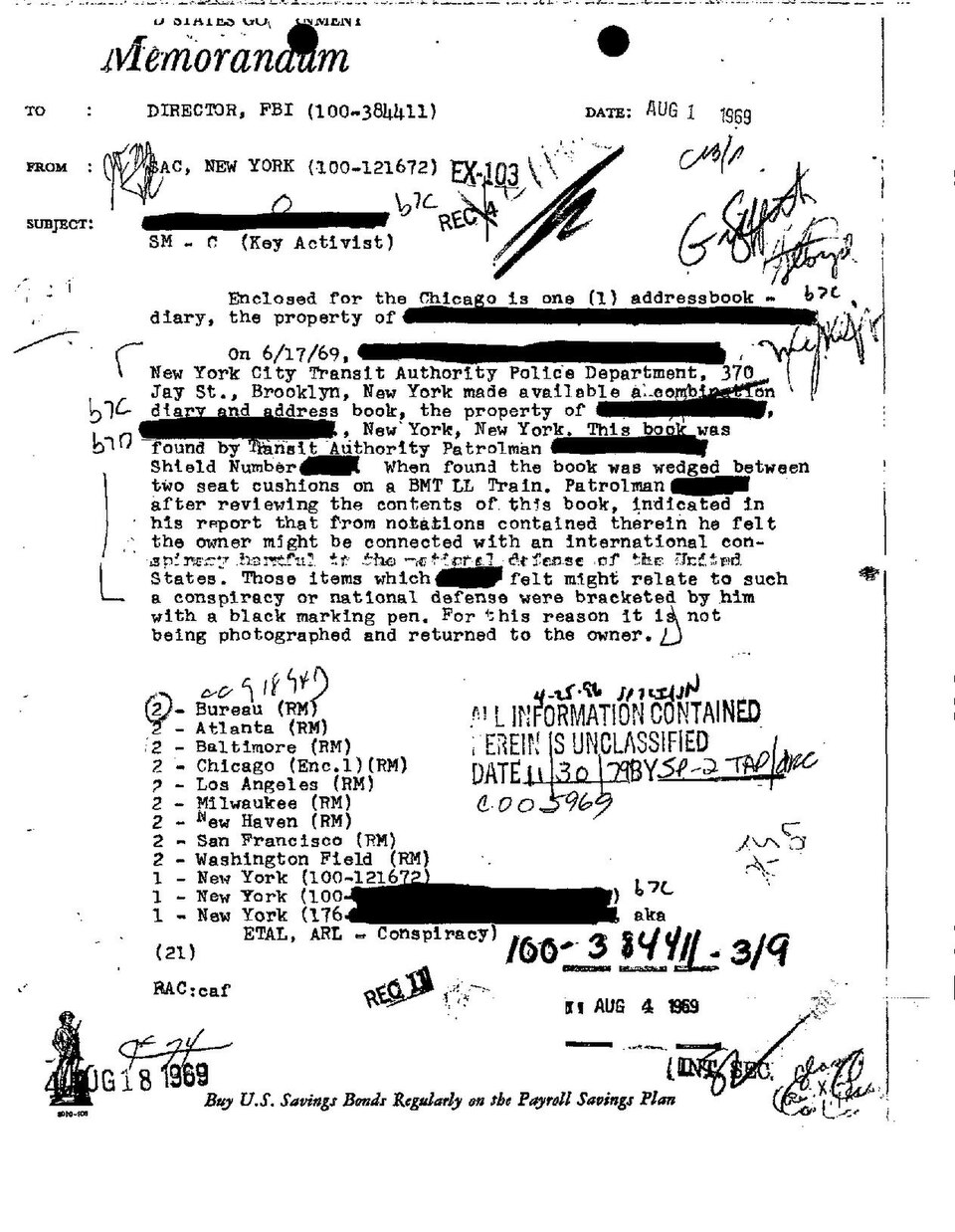
When a scanned document — a certificate of occupancy, a building inspection photo, a deed transfer record — gets filed twice inside the Department of Buildings' eFiling system or the Department of Finance's ACRIS property database, the duplicate does not simply sit there harmlessly. It creates conflicting record entries. Title companies flag the discrepancy. Lawyers bill hours to resolve it. And permit applications that depend on a clean chain of documentation get held in a queue while staff manually reconcile which file is authoritative.
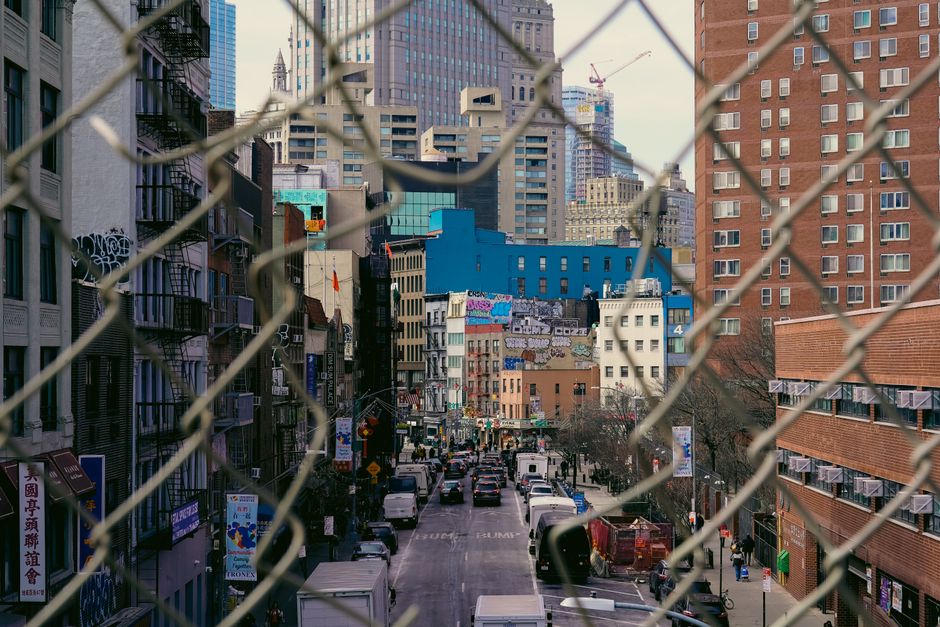
The practical damage shows up in specific neighborhoods. In East New York, Brooklyn, where the city rezoned roughly 190 blocks back in 2016 and where small homeowners have been trying to add accessory dwelling units under newer rules, community groups including Churches United for Fair Housing have reported that duplicate record flags are among the recurring friction points delaying renovations that families have budgeted and planned around. In the South Bronx, along the corridor between Melrose and Mott Haven where several affordable housing projects are in active permitting, a single duplicate image in a chain-of-title search can freeze a closing for weeks.
The Department of Buildings' eFiling portal, which handles tens of thousands of submissions monthly, does not automatically deduplicate scanned attachments. ACRIS, maintained by the Department of Finance, relies partly on submitting parties — title closers, attorneys, recording agents — to flag and correct errors after the fact. That reactive model made a certain amount of sense when document volumes were lower. It fits poorly with the current moment, when the city is trying to permit its way out of a housing shortage that the Regional Plan Association estimated in 2023 had left New York roughly 560,000 units below what demand requires.
For homeowners, the most direct step is to pull your property's ACRIS record before beginning any permit application or sale. The database is free to search at the Department of Finance website, and a title search professional — typically charging between $150 and $400 for a residential property in the five boroughs — can identify duplicate filings before they become a closing-day emergency. The Community Development Project at the Urban Justice Center, based in Lower Manhattan, offers guidance for low-income property owners who cannot absorb those search costs out of pocket.
Renters are not exempt from the downstream effects. When a landlord's building has unresolved record conflicts, the Department of Buildings can decline to issue a certificate of continued occupancy or sign off on renovation work. That means a boiler replacement gets delayed. A roof repair stalls. The tenant in a three-family in Bushwick or a walk-up in Washington Heights ends up living with deferred maintenance while paperwork circles in an administrative loop.
City officials have discussed a broader digital records overhaul as part of the MyCity platform rollout, which is intended to consolidate municipal services into a single portal. The timeline for integrating property records into that system has not been publicly confirmed. In the meantime, the task falls to residents, their lawyers, and overworked agency staff to catch and correct duplicate image problems one file at a time — a slow fix for a city in a hurry to build.
How does this story make you feel?
Spread the word
About this article
Published by The Daily New York
Daily brief
Free, in your inbox before 7am. Weekdays.
More in News